
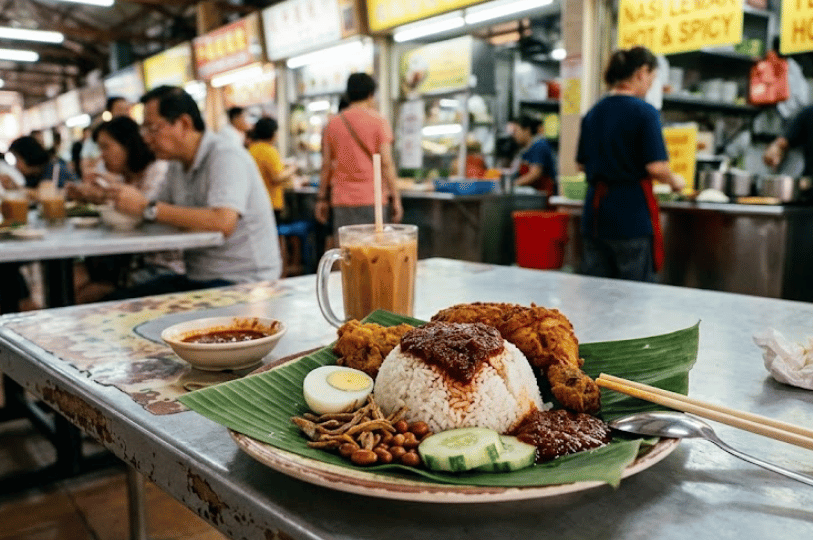
Nasi lemak is a staple in Singapore, enjoyed at all times of the day. Its preparation and presentation have evolved due to rising operational costs, supply chain shifts, and changing consumer preferences. Originating from Kuala Lumpur, this Malaysian-style nasi lemak has inspired many Singaporean variations, each adapting to different commercial settings from hawker stalls to retail chains.
Nasi lemak, meaning “fatty rice” in Malay, features rice cooked in coconut milk and pandan leaves, giving it a creamy texture and fragrant coconut flavour. This coconut rice forms the base for sambal nasi lemak, fried anchovies (ikan bilis), roasted peanuts, cucumber slices, and proteins like fried chicken or fried fish.
Nasi lemak captivates with its perfect balance of spicy, sweet, and savory flavors, enjoyed both at bustling hawker centres and made at home using a rice cooker. This versatile dish is a beloved choice for any meal of the day, delivering a satisfying and flavorful experience for breakfast, lunch, or dinner.
History and Origins of Nasi Lemak
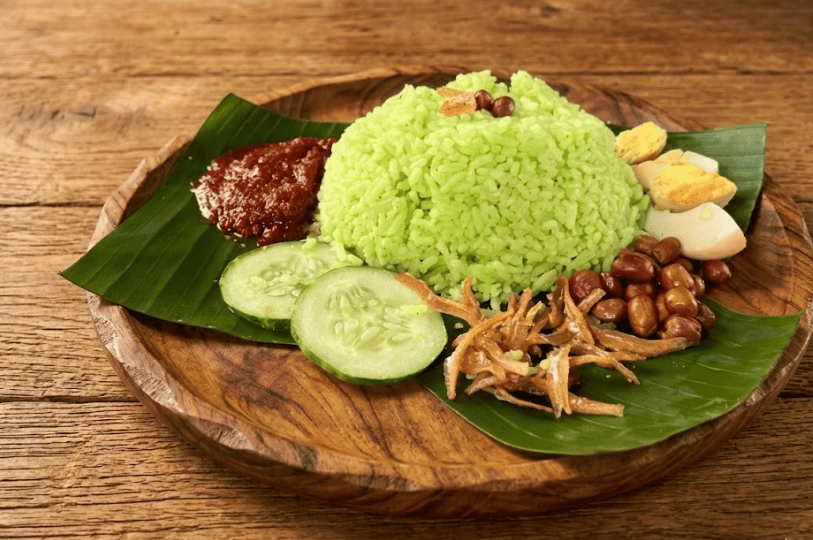
Originally a humble breakfast to fuel workers in the Malay heartlands, nasi lemak’s coconut rice is infused with pandan leaves and sometimes lemongrass. Over time, it absorbed influences from neighboring cuisines, leading to variations like nasi lemak ayam taliwang at Yishun Park Hawker Centre, which adds Indonesian spices and grilling techniques. Despite innovations, the core of fragrant coconut rice, sambal, and side dishes remains central.
The Structure of Nasi Lemak and Coconut Rice
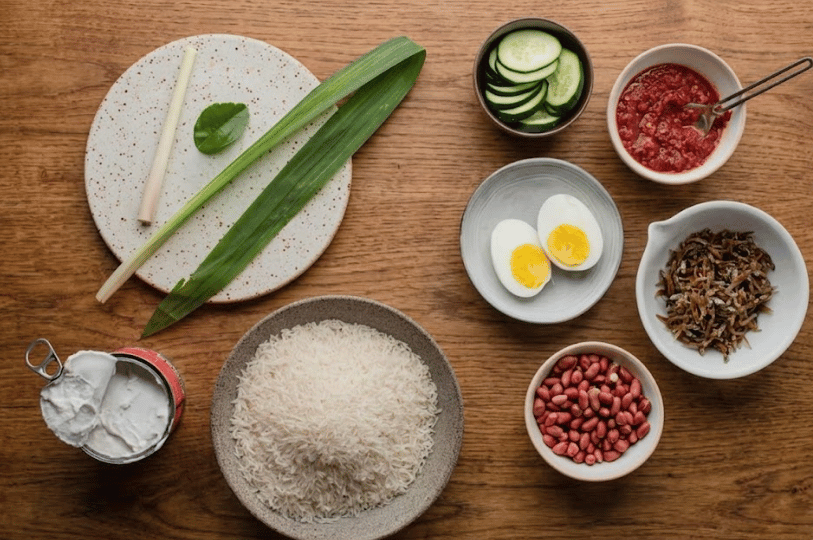
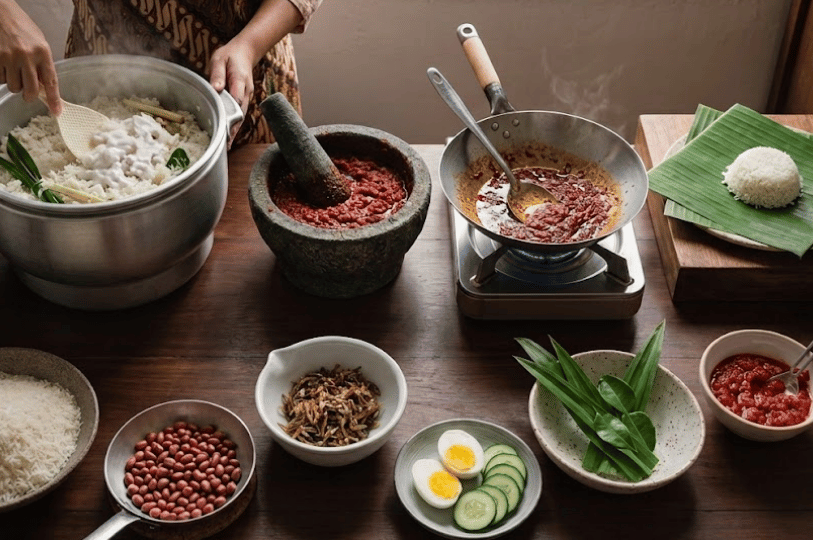
Nasi lemak has a modular structure built on fragrant coconut rice cooked in fresh coconut milk or coconut cream, pandan leaves, and ginger. The perfect nasi lemak rice balances creaminess without becoming rice mushy, often using jasmine rice or basmati rice.
The sambal nasi lemak, a chilli paste made with dried chillies, shrimp paste, gula melaka, and onions, provides a mildly spicy and slightly sweet contrast. Crispy skin on fried chicken wings or ayam goreng berempah complements the tender meat and creamy rice, while fresh cucumber slices add refreshing moisture.
Vendors assemble the dish with coconut rice at the center, sambal ikan bilis adjacent, and dry elements like fried anchovies and roasted peanuts kept separate to maintain crispness. Proteins vary widely, including fried chicken wing, signature chicken cutlet, curry chicken, beef rendang, and grilled otah set.
Variations Across Stalls: Famous Nasi Lemak and Style Nasi Lemak
Rice texture and coconut milk quality differ among vendors. Premium stalls like Dickson Nasi Lemak and Selera Rasa Nasi Lemak use freshly squeezed coconut milk, producing rich, fragrant coconut rice. Others may use UHT coconut milk or coconut powder, resulting in milder coconut flavour. Some prefer Thai jasmine rice or Malaysian style nasi lemak rice cooked with coconut cream for extra richness.
Sambal tumis preparation varies, with some stalls offering sweeter sambal heavy on gula melaka and caramelized onions, while others emphasize belacan’s pungency for a sharper, savory taste. Husk Nasi Lemak and Aliff Nasi Lemak are known for their homemade sambal that pairs well with their fragrant rice.
Proteins such as ayam goreng berempah and chicken wings are marinated with spices like curry powder and turmeric, then fried to achieve crispy skin and tender meat. Modern stalls may offer boneless chicken leg or signature cutlets for convenience and portion size.
Formats and Presentation: Banana Leaves and Packaging Choices

Traditionally, nasi lemak is wrapped in banana leaves, which enhance the coconut flavour through trapped steam and natural oils. This method also adds aroma and is preferred for takeaway. However, many vendors now use plastic or wax-lined containers with compartments to separate ingredients, preserving crispness but reducing the integrated eating experience.
Service models include self-selection of side dishes—allowing customers to customize their plates with items like luncheon meat, chicken curry, or mee siam—or pre-set plates with fixed combinations for faster service and inventory control.
Nasi Lemak Singapore Price: Trends and Value Over Time
Nasi lemak Singapore price has risen steadily due to inflation, rent increases, and ingredient costs, especially coconut milk, which has seen price hikes of over 30%. Basic takeaway packs at hawker stalls or MRT kiosks range from S$1 to S$4. Standard hawker sets with fried chicken wing, fried egg, sambal, and coconut rice typically cost between S$4 and S$6. Premium stalls and restaurants can charge between S$10 and S$30, especially for dishes with beef rendang or signature har cheong wings.
Notable vendors include Mizzy Corner Nasi Lemak, Kampung Nasi Lemak at Orchardgateway, Ponggol Nasi Lemak, Selera Rasa Nasi Lemak, Husk Nasi Lemak, Aliff Nasi Lemak, and Power Nasi Lemak, each offering distinct style nasi lemak with varying price points reflecting ingredient quality and presentation.
Portion Adjustments and Perceived Value
To manage costs, some stalls reduce the size of chicken wings or adjust the ikan bilis to roasted peanuts ratio. Vendors compensate by increasing visual volume with larger cucumber slices, sambal nasi lemak portions, or bigger plates, maintaining perceived value despite higher prices.
Consistency and Change in Nasi Lemak Preparation
Chains like Husk Nasi Lemak and Aliff Nasi Lemak use central kitchens for sambal and marinated proteins, ensuring consistent taste across outlets. This standardization sacrifices some individuality but guarantees quality and safety.
Independent hawkers adapt reactively, swapping ingredients like fresh ikan kuning for frozen fish during shortages or optimizing frying schedules to manage oil costs. These adjustments reflect the dynamic nature of nasi lemak, balancing tradition and practicality.
Eating and Enjoying Nasi Lemak
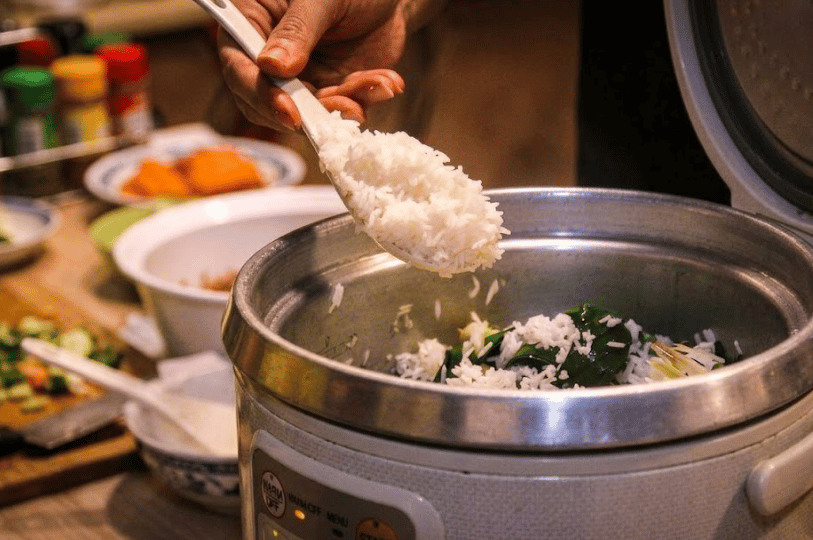
Eating nasi lemak is a sensory delight: fragrant rice cooked with coconut milk and pandan leaves, spicy sambal tumis with hints of shrimp paste and gula melaka, crispy fried chicken wings or ayam goreng berempah, crunchy fried anchovies, roasted peanuts, fresh cucumber slices, and a fried or boiled egg. Each element contributes to a perfect nasi lemak experience, whether at famed stalls like Dickson Nasi Lemak or home-cooked using a rice cooker.
Nasi lemak embodies Singaporean and Malaysian culinary heritage through its creamy coconut rice, vibrant sambal nasi lemak, and diverse side dishes. Its evolution reflects changing economic and cultural landscapes, yet it remains a beloved dish that connects diners to rich flavors and traditions.
For those drawn to dishes that carry a similar depth of history and everyday familiarity, laksa offers another perspective on how flavours travel and settle in Singapore. Its rich, coconut-based broth and regional variations reflect a different rhythm of eating — one shaped by migration, adaptation, and memory. If you’re interested in how this dish continues to evolve across the island, you can explore our look at the best laksa in Singapore.