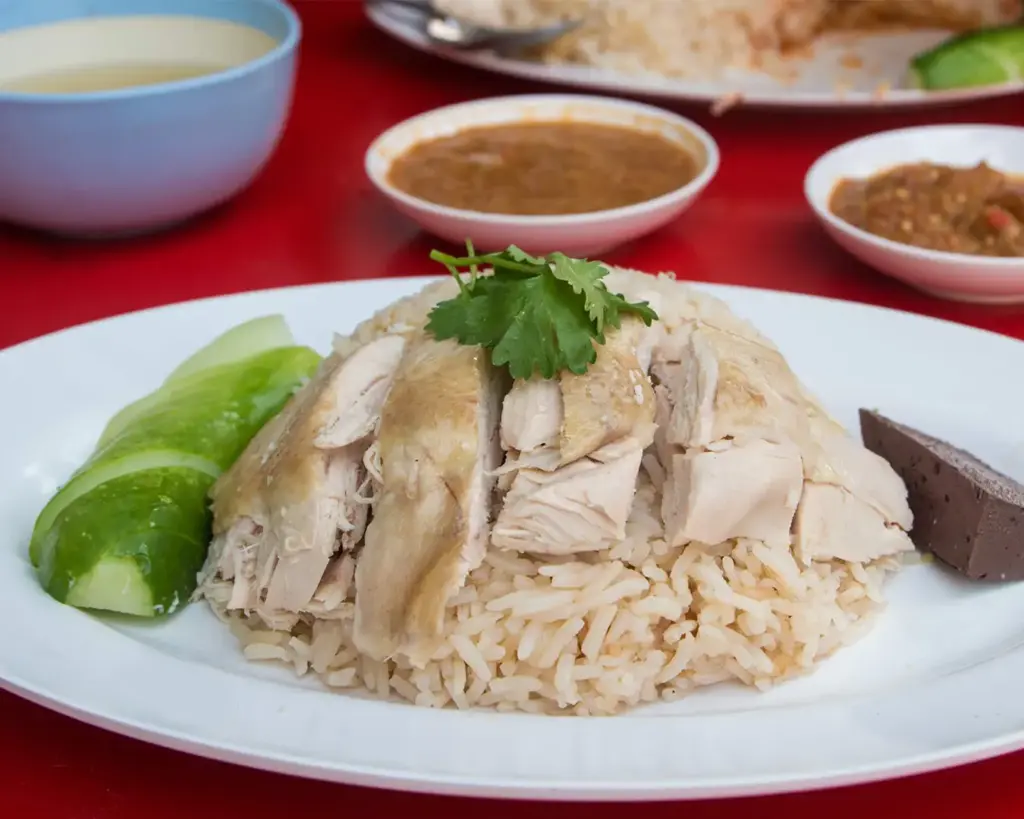
As someone who has been observing Singapore’s hawker food landscape for years, I’ve always thought of chicken rice as our unofficial economic index. For ages, it was a point of pride—basic, delicious, and reliably priced between $3 and $4 no matter where I went. Lately, though, I’ve had to adjust my expectations. The $6 chicken rice plate, once a curiosity at more upscale or air-conditioned spots, now appears with surprising regularity across suburban coffee shops, private food courts, and even refurbished hawker centres. This quiet but steady adjustment tells a detailed story about broader shifts in hawker economics, supply chains, and day-to-day operating costs.
I remember when a $3 plate felt possible because supply chains were predictable, and operational overheads, especially for older family-run stalls, were low. Many hawkers managed to keep prices down through bulk purchasing and churning out high volumes each day. Their methods were time-tested and efficient: processing large quantities of poultry, simmering vast pots of chicken stock for the rice, and blending aromatics for the chili sauce with precision and speed. The math made sense as long as their main ingredients—especially chicken—remained affordable.
But things have changed. Over the past decade, nearly every component of chicken rice has crept up in price. Raw poultry, the backbone of the dish, stands out. I used to see a steady supply of fresh, imported broiler chickens, which kept prices consistent. But recent supply chain disruptions, occasional export bans, and fluctuations in international feed prices have roiled that stability. Suppliers have adjusted, and inevitably, so have hawkers’ costs.
On top of that, it’s not just about the chicken. There’s the cooking oil (increasingly expensive), the premium Thai jasmine rice (essential for that signature texture), and the fresh garlic, ginger, and chilies (each with their own price jumps). These ingredients aren’t luxuries—they define the food. Every upward tick directly impacts what a stall can afford and, ultimately, what a customer pays.
Operational realities have evolved too. I’ve spoken to stall owners about the mounting pressure from utilities and rental rates. Cooking chicken rice is already tough, physically demanding work carried out under challenging conditions. Many veteran hawkers who have done this for decades now find that hiring extra help is essential. But today, labor comes at a premium. The food and beverage sector struggles to attract and keep good assistants, and wages have edged up accordingly.
Then there’s the question of rental dynamics. In coffee shops and food centres run by private companies, rents typically climb with each tenancy renewal. Sometimes, mandatory cleaning fees are tacked on. Faced with these persistent increases, hawkers reach a tipping point: either absorb the cost (which quickly becomes unsustainable) or adjust their selling price. Most have little choice but to pass it along to their customers.
This pressure has led to a clear split in the market. Stalls that keep prices near the old $3.50 or $4 benchmark often do so by cutting corners—using frozen instead of fresh chicken, shrinking the meat or rice portions, or dropping side soups altogether. But when I encounter a $6 plate nowadays, I know what to expect: likely, the chicken is fresh, sometimes even a premium kampung breed. Servings are bigger, boneless cuts are standard, and usually, the environment is upgraded—a bustling, air-conditioned food hall, higher seating density, and elevated expectations all around.
So, to some, the rise of the $6 chicken rice may seem arbitrary or opportunistic. But it really isn’t that simple. What I see is a direct response to a decade’s worth of macroeconomic pressures: global supply disruptions, domestic utility increases, and rising commercial rents. The new $6 price tag is not just a number; it’s a symptom and a signpost of the changing realities behind every plate that hits the table. And as these costs establish a new baseline, it seems $6 chicken rice is on its way from exception to the new normal in Singapore’s ever-evolving food landscape.