
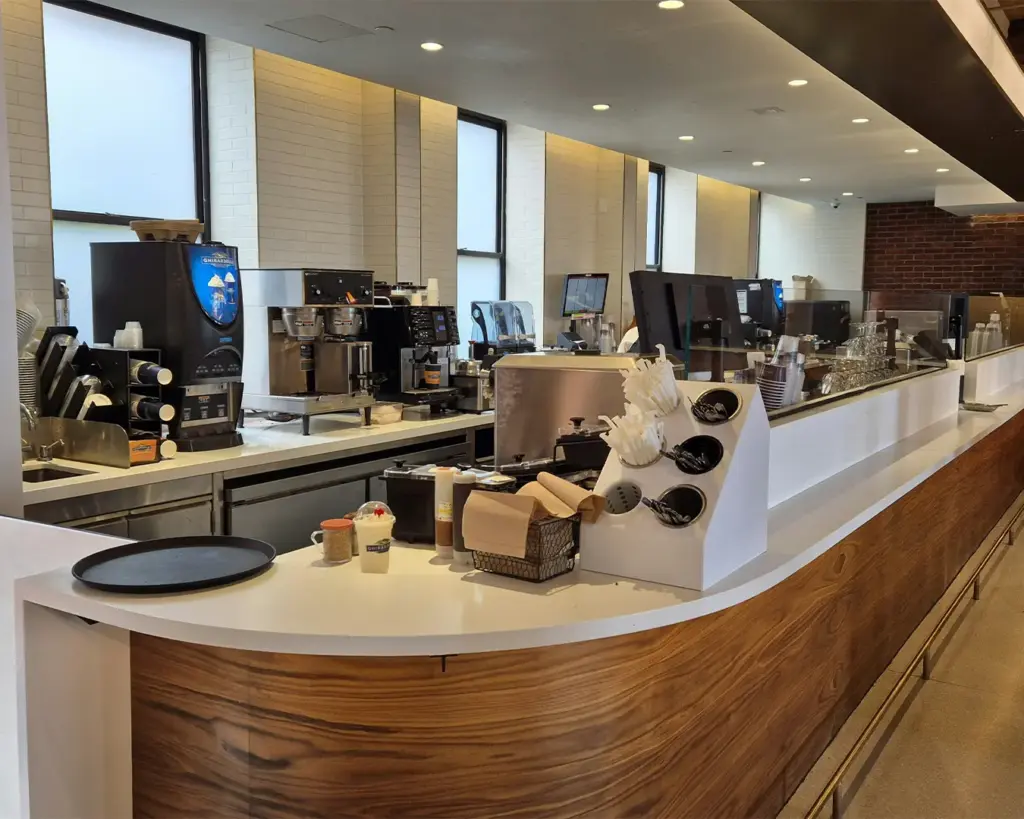
In many urban neighborhoods, traditional eateries with bustling front counters are disappearing. Instead, their spaces are now ghost kitchens, commercial kitchens operating exclusively for online food delivery, often with frosted windows and no dine-in space. Delivery riders wait outside, ready to pick up orders placed via food delivery platforms.
A cloud kitchen, also known as a ghost kitchen, dark kitchen, or virtual kitchen, represents this new cloud kitchen business model. These kitchens focus solely on production and delivery logistics, eliminating the need for a physical dining area or front-of-house staff.Introduction to the Cloud Kitchen Business Model
Cloud kitchens are transforming the restaurant industry by allowing food entrepreneurs and restaurant operators to streamline operations and reduce costs. Without the need for a dine in space, restaurants can focus on delivering quality food efficiently to meet changing consumer behaviour. This model appeals to many restaurants facing rising costs and shifting customer expectations, offering a flexible, scalable, and cost-effective way to reach more customers through delivery platforms like Uber Eats.
Streamlining Operations and Reducing Costs in Cloud Kitchens
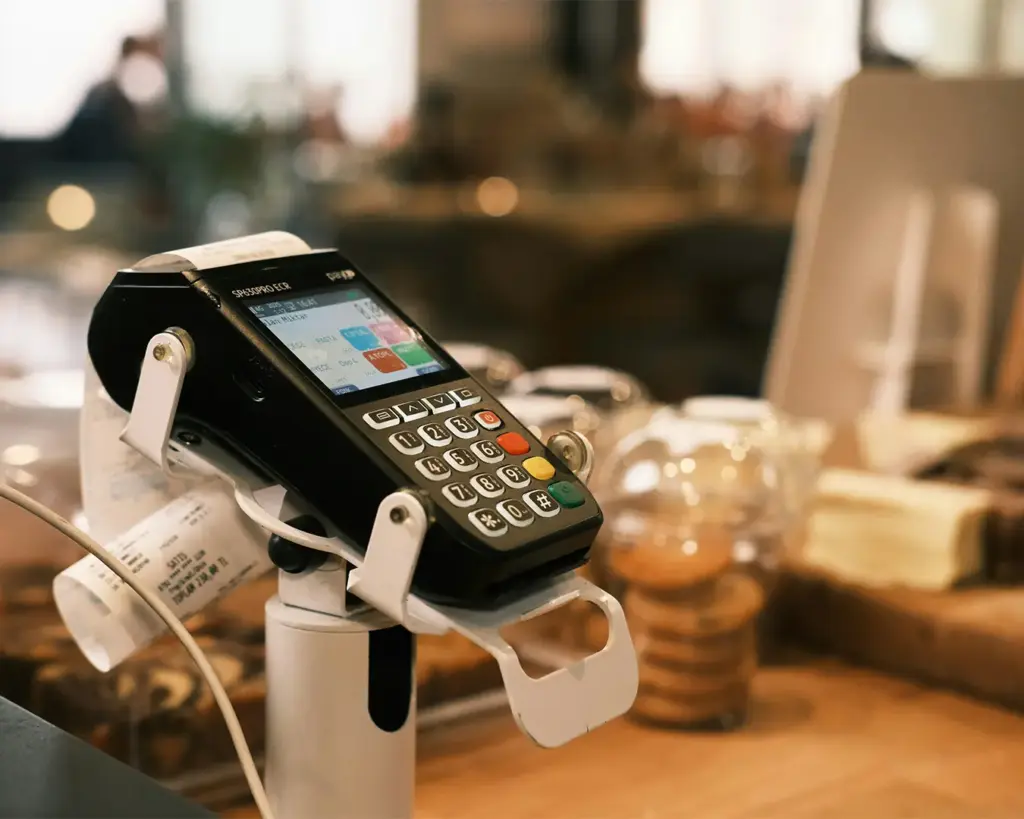
Traditional restaurants require costly real estate in high-traffic areas, dedicating much space to dining and waiting areas that generate revenue only when occupied. Cloud kitchens remove these spaces, enabling operators to relocate to cheaper locations, such as industrial parks or shared kitchen spaces. This reduction in kitchen space and overhead lowers operational complexity and costs significantly.
A single kitchen space can host multiple virtual brands or several virtual brands operating under one location, producing different cuisines and portion sizes tailored to consumer preferences. This multi brand cloud kitchen model maximizes kitchen space and allows operators to fine tune menus and delivery operations to boost customer satisfaction.Cloud kitchens benefit from lower startup costs, often 50% to 90% less than traditional restaurants by eliminating front-of-house expenses. Operators save on rent, utilities, labor, and marketing while reaching a wider customer base. They also enjoy faster time to market and the ability to test new concepts and multiple brands from one location.Food Delivery Platforms and Digital Ordering Reshaping the Restaurant Industry

The rise of ghost kitchens is closely linked to the growth of food delivery platforms and digital ordering. Visibility now depends on app algorithms rather than physical location or word-of-mouth. The restaurant industry trends highlight the importance of digital channels as the primary storefront for many restaurants.
Without a physical front counter, customer interaction shifts from face-to-face to digital engagement. Restaurants must focus on optimizing delivery operations for speed, accuracy, packaging durability, and maintaining food quality to ensure customer satisfaction. The goal is no longer a memorable dining experience but delivering food that arrives hot and intact after transit.
Efficiency Over Ambience in Kitchen Operations
Menus adapt to delivery needs: complex dishes requiring immediate consumption are replaced by items that travel well and maintain consistent quality. Cloud kitchens often operate during peak times—weekends, holidays, and evenings—to maximize efficiency and profits.
The kitchen becomes a precise production line, guided by digital order notifications rather than human pace. This streamlining reduces operational complexity and enables investment in new technologies, including artificial intelligence, to fine tune delivery processes and menu offerings. Cloud kitchens leverage data analytics and integrated order tracking tools to manage online orders efficiently across delivery platforms.The Loss of Customer Interaction and Social Space
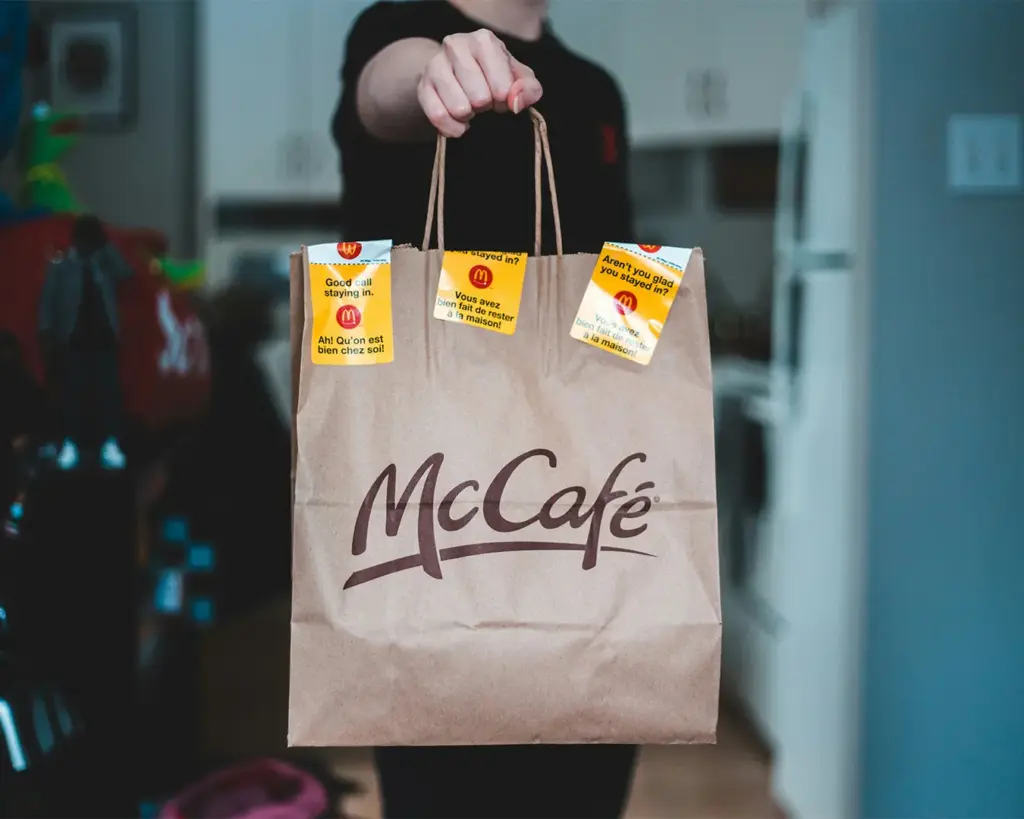
The disappearance of the front counter removes a vital social interaction point between restaurant staff and customers. Traditional counters foster community bonds and humanize the dining experience.
In ghost kitchens, acquiring food becomes anonymous. Customers place orders via apps and receive sealed packages delivered to their doors. While this model offers more control over operations and branding, it strips away cultural context and face-to-face engagement.
Building customer trust remains essential and can be achieved through consistent service and high food quality, even without direct interaction.
Delivery Riders: The New Frontline in Delivery Operations
Delivery riders have replaced dine-in customers as the primary visitors to ghost kitchens. Their interactions are brief and focused on efficiency. Some restaurants are exploring driverless vehicles to optimize delivery operations, reduce costs, and improve customer experience.
The physical space around these kitchens often becomes a utilitarian hub cluttered with waiting riders, contrasting with the lively atmosphere of traditional restaurants. Food delivery delays remain a challenge impacting customer satisfaction.
The Rise of Multi Brand Cloud Kitchens
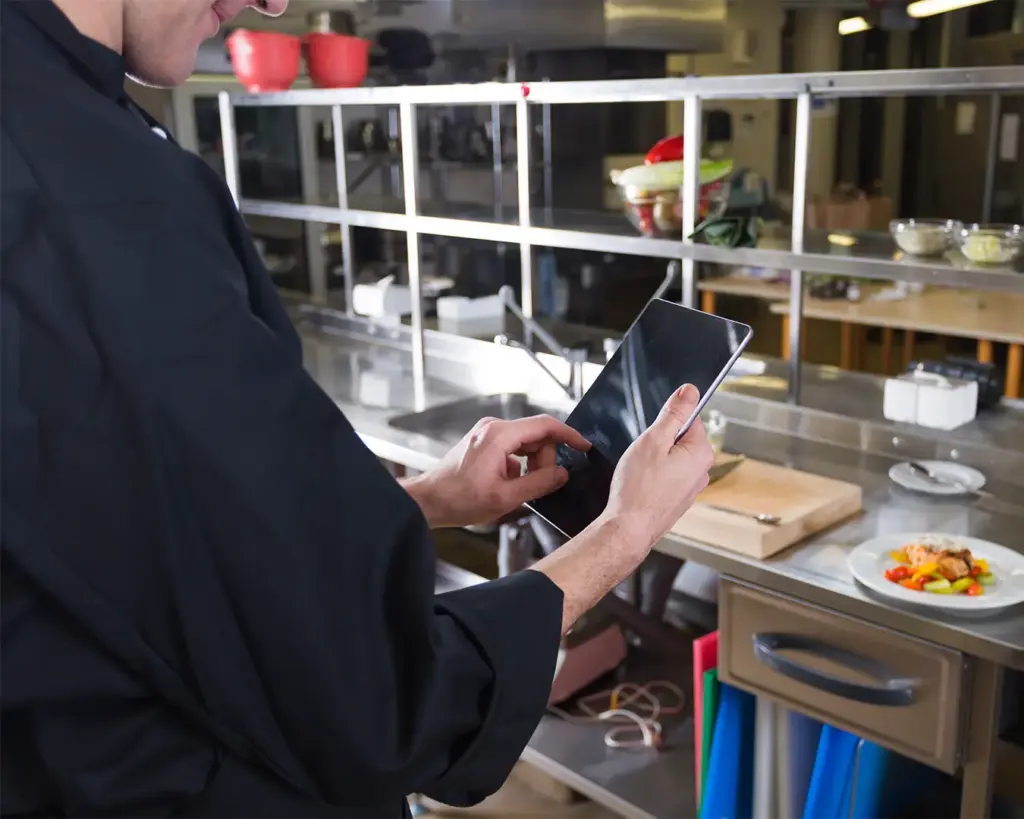
A key restaurant industry trend is the growth of multi brand cloud kitchens, where several virtual brands operate from a single kitchen space. This model enables operators to cater to diverse consumer preferences and culinary niches by offering different cuisines and portion sizes.
Leveraging food delivery platforms, restaurants can launch multiple virtual brands under one roof, experimenting with new concepts without the expense of separate locations. This approach maximizes kitchen utilization, responds quickly to demand shifts, and drives growth through innovation.
Artificial Intelligence in Cloud Kitchens
Artificial intelligence is increasingly integral to cloud kitchen operations. AI helps analyze consumer preferences, forecast demand, and optimize menus to enhance customer satisfaction. AI-driven systems automate order processing, inventory management, and delivery routing for greater efficiency.
AI-powered chatbots and digital assistants improve customer interaction by providing real-time updates and personalized recommendations, enriching the digital customer experience. Integrating AI enables cloud kitchens to maintain food quality, adapt quickly to demand changes, and deliver consistent service to many customers.Menu Innovation and Optimization
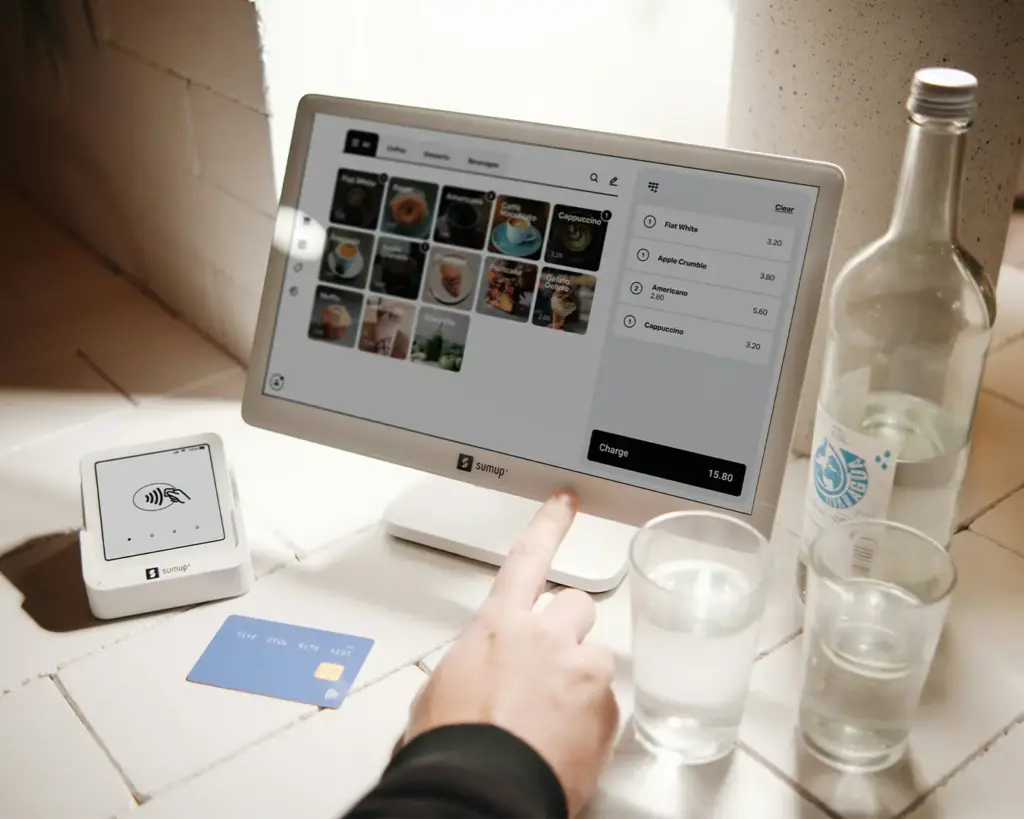
Menu innovation is vital in the competitive cloud kitchen space. Data analytics and AI tools enable operators to track sales trends, analyze consumer behaviour, and fine tune offerings.
Both single brand and multi brand cloud kitchens can introduce creative dishes, adjust portion sizes, and optimize menus for delivery success. This data-driven approach reduces food waste, improves supply chain management, and boosts profitability.Loyalty Programs and Customer Retention
Loyalty programs are essential for retaining customers in a crowded delivery market. Offering rewards, exclusive discounts, and personalized incentives encourages repeat business.
Cloud kitchens use digital channels like social media, email marketing, and mobile apps to promote loyalty programs and engage customers. Data analytics further tailors marketing efforts, enhancing customer interaction and satisfaction even in virtual kitchen settings.The Future of Dining and Cloud Kitchen Business in Urban Spaces
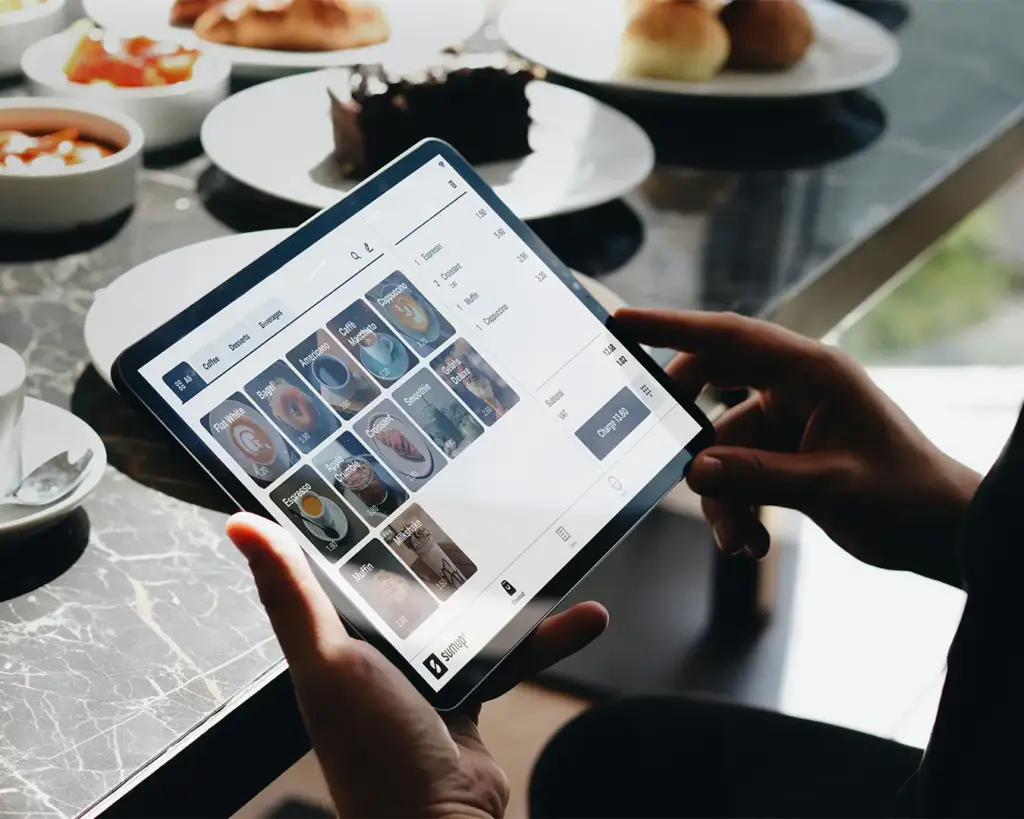
Cloud kitchens are reshaping urban dining and foodservice landscapes. While some premium restaurants maintain dine in spaces for elaborate experiences, a vast network of cloud kitchen businesses operate invisibly in industrial or secondary retail locations, focusing on delivery.
The restaurant industry is projected to exceed $4 trillion in global foodservice sales by 2026, with delivery-first formats and digital ordering models driving growth.
This shift threatens the viability of mid-tier neighborhood restaurants, risking less vibrant streetscapes dominated by closed doors and delivery drop-offs rather than open storefronts and social dining.
Balancing Growth with Customer Experience
The cloud kitchen business model offers cost savings, scalability, and convenience, but it comes with cultural trade-offs. Food is more than fuel; restaurants are social spaces that connect communities.
As consumers embrace digital ordering and delivery, it is important to support physical dining spaces to preserve human connection and the richness of shared public life.By continuing to visit local restaurants, engage with staff, and enjoy dine in experiences, customers help ensure that food culture remains rooted in community as well as convenience. For more stories, insights, and updates on Singapore’s vibrant food scene, be sure to visit SG Food Chronicles and stay connected to the heart of local dining.