
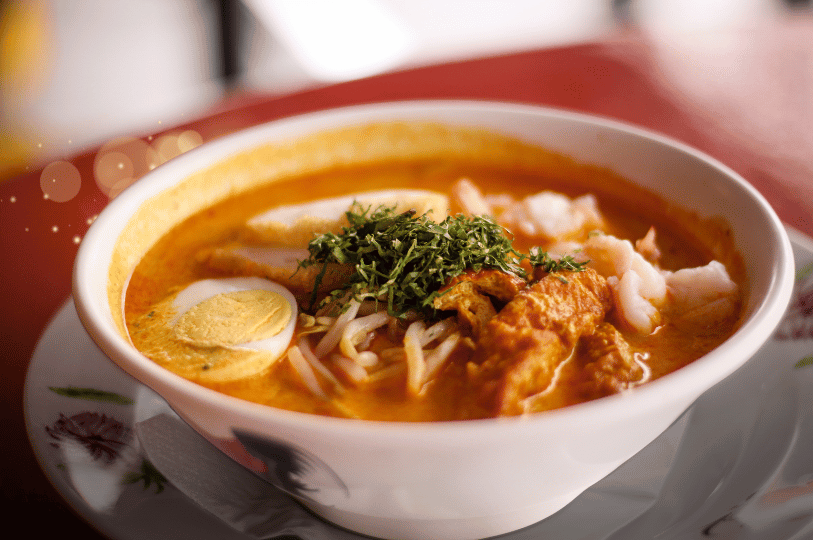
You are sitting at a slightly sticky table in a crowded hawker centre. The ambient roar of overlapping conversations, the clatter of woks, and the whir of ceiling fans fill the humid air. A melamine tray is set down in front of you. On it rests a bowl painted with faded roosters, filled to the brim with a sunset-orange laksa broth.
Most people dive right in, driven by hunger and the promise of a comforting meal. We tend to judge the bowl by its broad strokes: Is it spicy enough? Is the portion generous?
But the true magic of this dish lies in the margins. The most memorable bowls are built on a foundation of tiny, deliberate choices made by the laksa stalls long before the soup ever reaches your table. Finding the best laksa in Singapore is easy, but truly appreciating it requires a closer look.
When we slow down and pay attention to the subtle mechanics of the dish, we uncover a masterclass in culinary balance. Here are the small, often overlooked details that make this iconic dish from Singapore’s Peranakan cuisine an unforgettable experience.
The Texture of the Noodles: A Subtle Art in Laksa Stalls
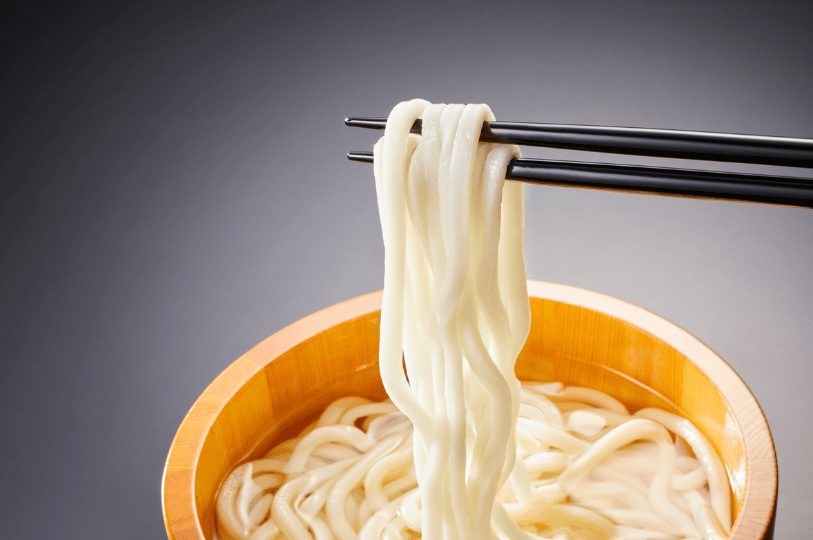
Noodles are the physical foundation of the dish, yet they rarely get the spotlight. Most stalls use thick rice vermicelli, locally known as thick bee hoon. How a hawker prepares these strands fundamentally alters your eating experience.
The texture must strike a very specific balance. The noodles need to be soft enough to absorb the rich flavors of the spicy curry coconut milk broth, but firm enough to maintain a springy bite. If they are overcooked by even a minute, they turn into a mushy, unappealing paste that ruins the entire bowl.
Different stalls also approach the presentation of the noodles in completely different ways:
The Long Strand: Traditional hawker stalls leave the noodles long, requiring diners to navigate the bowl with both chopsticks and a spoon. This allows for a satisfying slurp.
The Katong Cut: In the famous Katong laksa style, hawkers deliberately snip the noodles into short, bite-sized pieces before pouring the laksa broth over them.
This simple act of cutting the noodles changes the mechanics of the meal. It transforms the dish into a seamless, spoon-only experience, ensuring that every single mouthful contains the perfect balance of starch, gravy, and garnish. Traditional Katong laksa is served in a way that allows diners to eat it with just a spoon, emphasizing both the convenience and authenticity of this method.
The Balance of the Laksa Broth: Not Too Thick, Not Too Thin
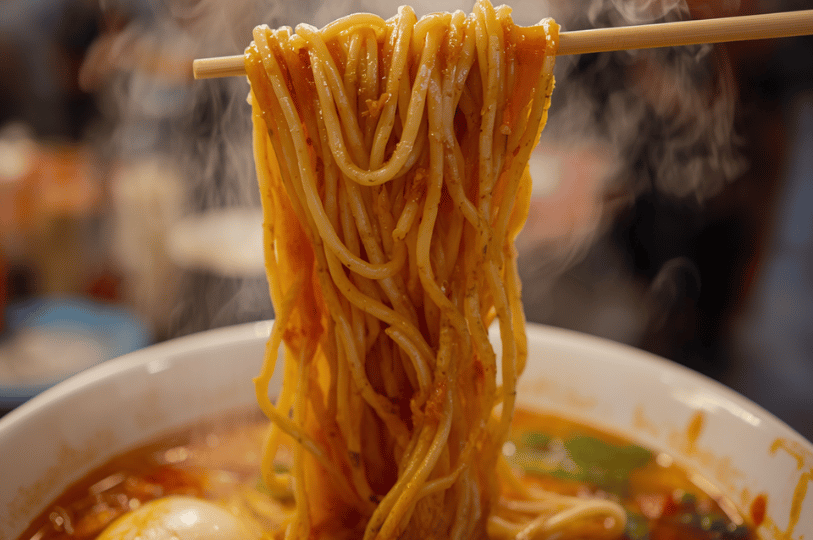
The laksa broth is the undeniable star of any bowl of laksa in Singapore, but its success relies on an incredibly precarious balancing act. A great broth is a living, breathing entity that shifts between savory, sweet, and spicy notes.
At the heart of the spicy soup is the rempah, a painstakingly pounded spice paste featuring shallots, lemongrass, galangal, and dried chili. This paste must be fried slowly until the oils separate. Once the aromatics are unlocked, the hawker introduces coconut milk, evaporated milk, and prawn stock.
This ratio determines the soul of the bowl:
The Lemak Approach: Some stalls lean heavily into the coconut milk (lemak), creating a thick, creamy, and deeply comforting broth. However, if a hawker uses too much coconut milk or evaporated milk, the broth becomes cloying, making it difficult to finish the bowl.
The Prawn-Forward Approach: Other hawkers pull back on the dairy, allowing the sharp, umami-rich flavor of dried shrimp to take center stage. These broths are lighter, grittier, and often more aggressively spiced.
The most memorable bowls land perfectly in the middle. The broth coats the back of a spoon with a velvety richness, yet remains light enough to drink down to the very last drop without feeling overwhelmed.
The Eating Ritual at Laksa Stalls: Spoon, Chopsticks, and Slurping
Eating a bowl of laksa is a deeply physical ritual. It demands your full attention. You cannot eat it passively while walking or typing on a laptop. You must lean over the bowl, manage the escaping steam, and navigate the bright orange splashes.
The small rituals we perform before taking the first bite are part of what makes the dish so satisfying.
The Taste Test: Experienced diners always take a small sip of the pure laksa broth before mixing anything in, acknowledging the hawker’s baseline flavor.
The Sambal Integration: Next comes the careful, deliberate stirring of the sambal chili, watching the red oil bloom across the surface of the pale orange soup.
The Tau Pok Squeeze: Finally, there is the quiet joy of biting into a piece of tau pok. These porous cubes act like sponges, releasing a hot, savoury burst of trapped gravy the moment you bite down.
These tactile, sensory moments elevate the meal from a simple intake of calories to a mindful, engaging culinary experience.
The Environment: How Food Centres Shape the Laksa Experience
We cannot separate the dish from the environment in which it is consumed. The food centre is an essential seasoning. Eating laksa in Singapore’s bustling hawker centres fundamentally changes how it tastes.
When you eat laksa in Singapore, you are participating in a communal urban ritual. You are sitting on a plastic stool, sharing a table with strangers, and wiping sweat from your forehead with a tissue packet. The humid tropical air heightens the impact of the spices.
The ambient noise of the food centre—the clinking of spoons against porcelain, the shouting of orders, the whir of the sugarcane juice machine—provides the perfect soundtrack to the meal. The environment forces you to be present. It strips away pretension and leaves you with nothing but the immediate, visceral comfort of the food in front of you.
Regional Laksa Variations: Subtle Shifts Across Singapore
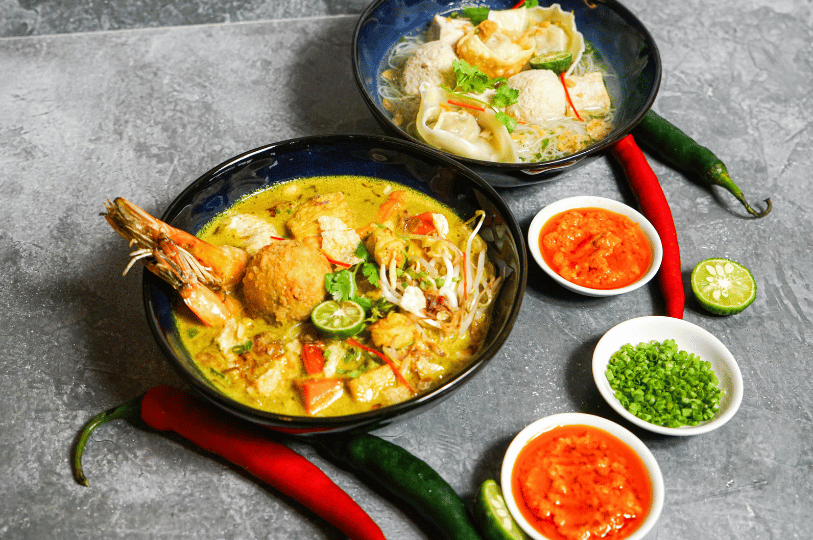
One of the joys of eating laksa in Singapore is discovering how each region puts its own spin on this beloved dish. While the core of laksa consists of a spicy curry coconut milk broth, rice vermicelli or thick bee hoon, and a medley of toppings like fish cakes, prawns, and tau pok, the details shift as you move from one food centre to another.
In the east, the legendary Katong laksa reigns supreme. At famous stalls like 328 Katong Laksa along East Coast Road, you’ll find a creamy, lemak broth that strikes the perfect balance between spicy and savoury. Here, the noodles are famously snipped short, so you can enjoy every spoonful without chopsticks. The original Katong laksa is all about that rich coconut milk, aromatic sambal chili, and a generous helping of bean sprouts, boiled egg, and fish cakes. The result is a bowl that’s both comforting and deeply flavourful—a taste of Peranakan heritage in every bite.
East Coast and Katong Style
Head west to Alexandra Village Food Centre, and you’ll encounter a different take. Sungei Road Laksa, now relocated here, is known for its charcoal-cooked laksa broth, which imparts a subtle smokiness to the spicy soup. Asia Delight Laksa in the same food centre offers a robust, aromatic gravy with a punchy sambal chili, while Alexandra Village Claypot Laksa serves its laksa piping hot in a claypot, keeping the seafood soup and coconut milk broth bubbling until the last spoonful. Each stall brings its own twist, whether it’s a thicker, richer gravy or a more pronounced seafood flavour.
Alexandra Village Food Centre Specialties
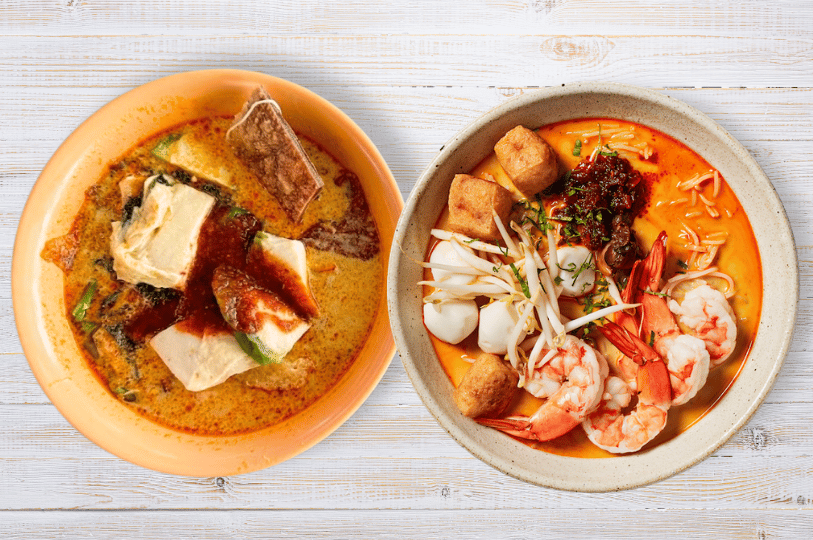
Up north, Yishun Laksa is a local favourite, serving up bowls brimming with rice vermicelli, prawns, chicken, and fish cakes. The broth here leans spicy and savoury, with a lighter touch of coconut milk that lets the freshness of the ingredients shine. At Sembawang Hills Food Centre, Khoon’s Katong Laksa offers a unique sour asam broth—a tangy, refreshing departure from the usual creamy style, perfect for those who crave something on the lighter side.
Northern and Central Variations
Central Singapore is home to some of the city’s most storied laksa stalls. At Amoy Street Food Centre, Janggut Laksa delivers a classic, aromatic bowl with a smooth coconut milk broth, tau pok, fish cakes, and boiled egg. Ghim Moh Food Centre, another central hub, features a variety of laksa stalls, each with its own loyal following and subtle tweaks—some add extra cockles, others focus on a spicier sambal or a thicker, more savoury gravy.
No matter where you go, the best laksa in Singapore is always a reflection of its neighbourhood—shaped by decades of hawker ingenuity and the tastes of the local community. Whether you’re drawn to the creamy, spicy curry coconut milk of Katong, the smoky, aromatic broth of Sungei Road, or the tangy asam twist up north, each bowl tells a story. So grab a spoon, explore a new food centre, and let the subtle shifts in taste, texture, and aroma guide you to your next unforgettable laksa experience.
Notice the Margins
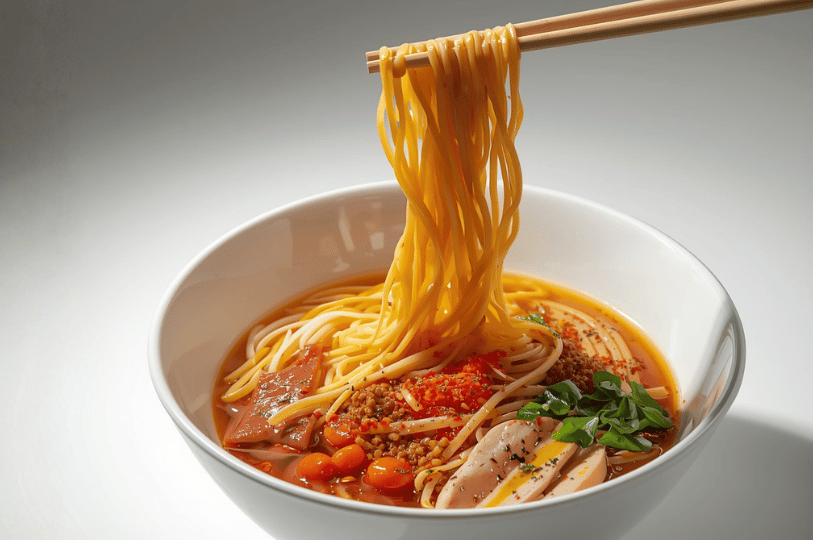
Laksa is a dish of brilliant, loud flavors. It is easy to be captivated by the aggressive heat of the chili and the soothing richness of the coconut milk. But true culinary appreciation lives in the quiet details.
It lives in the exact length of the snipped thick bee hoon. It lives in the slow-roasted complexity of the sambal chili on your spoon. It lives in the briny pop of the cockles and the perfectly calculated thickness of the broth. These small choices reflect decades of hawker heritage, trial and error, and an unwavering dedication to the craft.
The next time you sit down with a bowl of laksa, take a moment to appreciate the texture of the noodles, the balance of the broth, and the quiet rituals that make this dish so much more than just a meal. Slow down, look closer, and let the small things make your bowl unforgettable.