
The sky darkens to bruised slate just before two in the afternoon, and soon heavy tropical rain drums against the corrugated zinc roof of the neighborhood hawker centre. Office workers, caught without umbrellas, hurry inside, forming a line at the stall with bubbling pots of orange, spicy, flavourful laksa broth.
Many choose to dine in, enjoying the communal atmosphere of food centres like Amoy Street Food Centre and Alexandra Village Food Centre, which enhances the laksa in Singapore experience. No one plans to eat a heavy, creamy, spicy coconut milk-rich noodle soup in the middle of a Tuesday. Yet the sudden drop in temperature, cool dampness, and the sharp scent of toasted belacan pull people toward it.
Laksa is ubiquitous in Singapore, from early morning pushcarts to late-night corner shops. But its consumption is deeply contextual, tied to weather, work routines, solitude, and mood. We don’t just eat laksa; specific moments in our lives draw us to it.
Laksa on Rainy Days: Comfort That Feels Familiar
Tropical downpours trigger a biological and emotional craving for warmth and calories. Clear broths and cold salads won’t do; we want something to coat the stomach and warm the chest.
A steaming bowl of laksa answers this perfectly. The vibrant orange broth, slicked with sambal chili oil, contrasts the gray of a rainy afternoon. The heat radiates upward, carrying aromas of lemongrass, galangal, dried shrimp, and fragrant spices in the rich, lemak gravy.
Eating laksa while rain lashes outside is a sensory ritual. The spicy sambal induces a pleasant sweat, countering damp chill. The creamy coconut milk insulates, providing deep satisfaction. Subtle sweet undertones from coconut milk or sambal add complexity. For many, rain permanently triggers a craving for laksa in Singapore.
The flavour ranges from rich and creamy to lighter and tangier, depending on recipe and ingredients.
The Quick Lunch Bowl: Laksa Between Work Hours in Food Centres
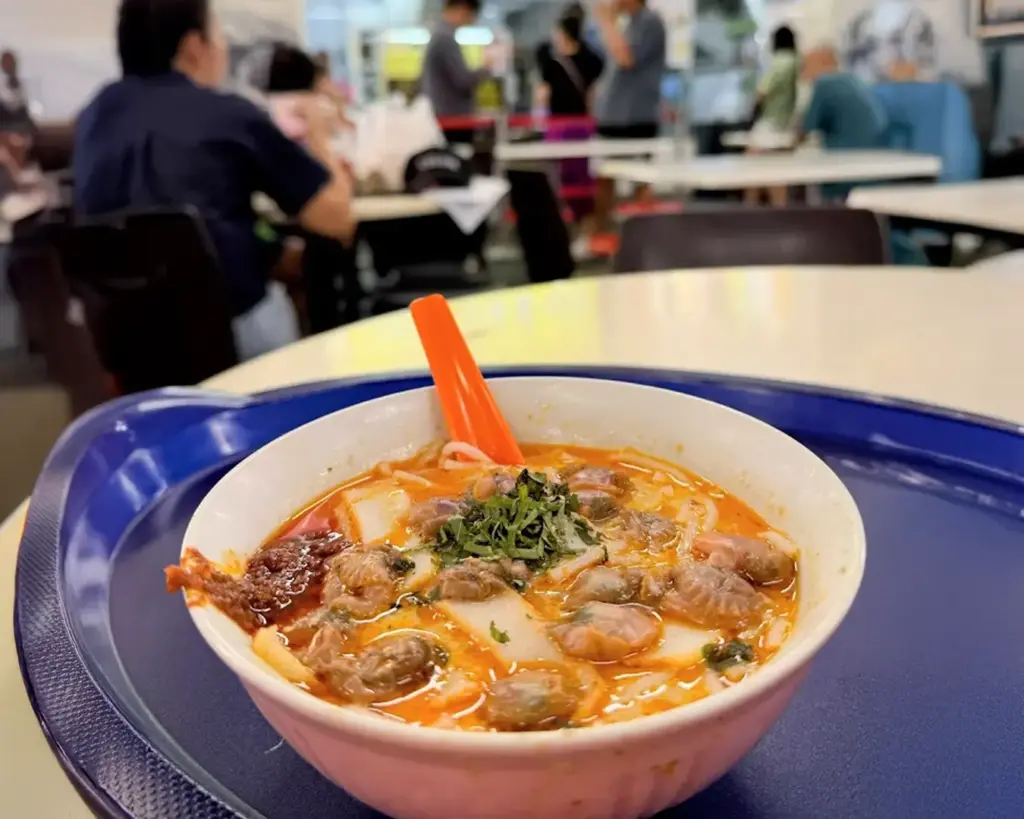
At business district food centres, laksa sheds romantic associations and becomes urban fuel.
Office workers with one-hour lunch breaks need food that’s satisfying yet fast. Laksa fits perfectly. Portion sizes vary, with small servings often requiring multiple bowls to satisfy bigger appetites.
Why laksa suits the lunch rush:
The broth simmers ready; fishcakes are pre-sliced; noodles blanch in seconds.
Katong laksa’s pre-cut thick rice vermicelli allows eating with just a spoon, minimizing effort and mess.
The carbs, coconut fat, and chili provide an immediate energy boost.
For example, Sungei Road Laksa offers small servings at $4, with many ordering two bowls.
Executives hunched over bowls, silently working through spicy broth, reveal laksa’s dual role: quick calories and a brief sensory escape. The sharp laksa leaf and briny cockles awaken senses before the afternoon slump.
Weekend Mornings and Late Starts: The Ritual of Laksa in Food Centres
Weekend mornings slow down. The weekday lunch rush fades. In suburban enclaves, morning hours stretch leisurely.
By nine, queues form at famous stalls like Sungei Road Laksa at Jalan Berseh and Queensway Shopping Centre. These are families, elderly couples, and solitary patrons engaging in weekly rituals. Eating laksa for breakfast may seem heavy, but it bridges late starts and lazy afternoons. Patrons linger, reading or chatting, letting broth cool slightly.
Generations connect as grandparents feed short noodles to children, introducing milder, sweeter coconut milk broths. Some prefer lighter versions with less creamy, more delicate broth, still aromatic and complex. Weekend mornings offer diverse laksa experiences. Nyonya Laksa, similar to Katong laksa, features pronounced lemongrass and fragrant spices, often with boiled eggs.
Types of Laksa in Singapore
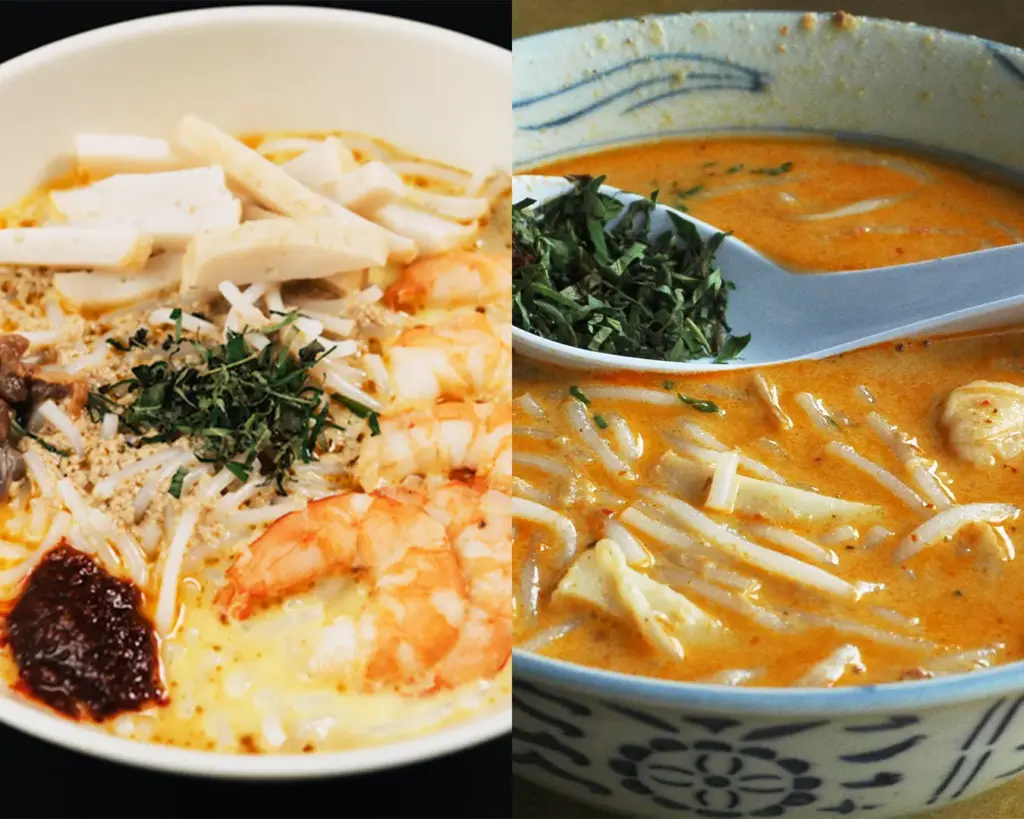
Singapore’s laksa diversity reflects its rich culinary heritage. Katong laksa, from the Katong district, is famous for its creamy coconut milk-rich broth and short, spoon-friendly noodles. Iconic stalls like 328 Katong Laksa serve this aromatic, lemak gravy with prawns, cockles, and fishcake.
Janggut laksa offers a milder, approachable take, letting coconut milk’s sweetness shine.
Wei Yi laksa is known for a savory, robust broth and hearty portions.
Sungei Road laksa (also called Asia Delight laksa) features a charcoal-cooked broth with subtle smokiness, served in small, affordable bowls.
Alexandra Village Claypot Laksa serves bubbling hot laksa in claypots, intensifying flavors and retaining heat at Alexandra Village Food Centre.
Yishun laksa, in northern Singapore, delivers delicious, wallet-friendly bowls, proving great laksa is found islandwide.
Whether craving spicy, creamy Katong laksa, earthy claypot laksa, or comforting neighborhood versions, there’s a laksa for every palate and mood. Each bowl tells a story shaped by its makers and the community.
Quiet Cravings: Eating Laksa Alone at Food Centres Like Ghim Moh Food Centre and Amoy Street Food Centre
Singapore’s laksa diversity reflects its rich culinary heritage. Katong laksa, from the Katong district, is famous for its creamy coconut milk-rich broth and short, spoon-friendly noodles. Iconic stalls like 328 Katong Laksa serve this aromatic, lemak gravy with prawns, cockles, and fishcake.
Janggut laksa offers a milder, approachable take, letting coconut milk’s sweetness shine.
Wei Yi laksa is known for a savory, robust broth and hearty portions.
Sungei Road laksa (also called Asia Delight laksa) features a charcoal-cooked broth with subtle smokiness, served in small, affordable bowls.
Alexandra Village Claypot Laksa serves bubbling hot laksa in claypots, intensifying flavors and retaining heat at Alexandra Village Food Centre.
Yishun laksa, in northern Singapore, delivers delicious, wallet-friendly bowls, proving great laksa is found islandwide.
Whether craving spicy, creamy Katong laksa, earthy claypot laksa, or comforting neighborhood versions, there’s a laksa for every palate and mood. Each bowl tells a story shaped by its makers and the community.
Not Just a Time, But a Mood: The Emotional Elasticity of Laksa in Singapore
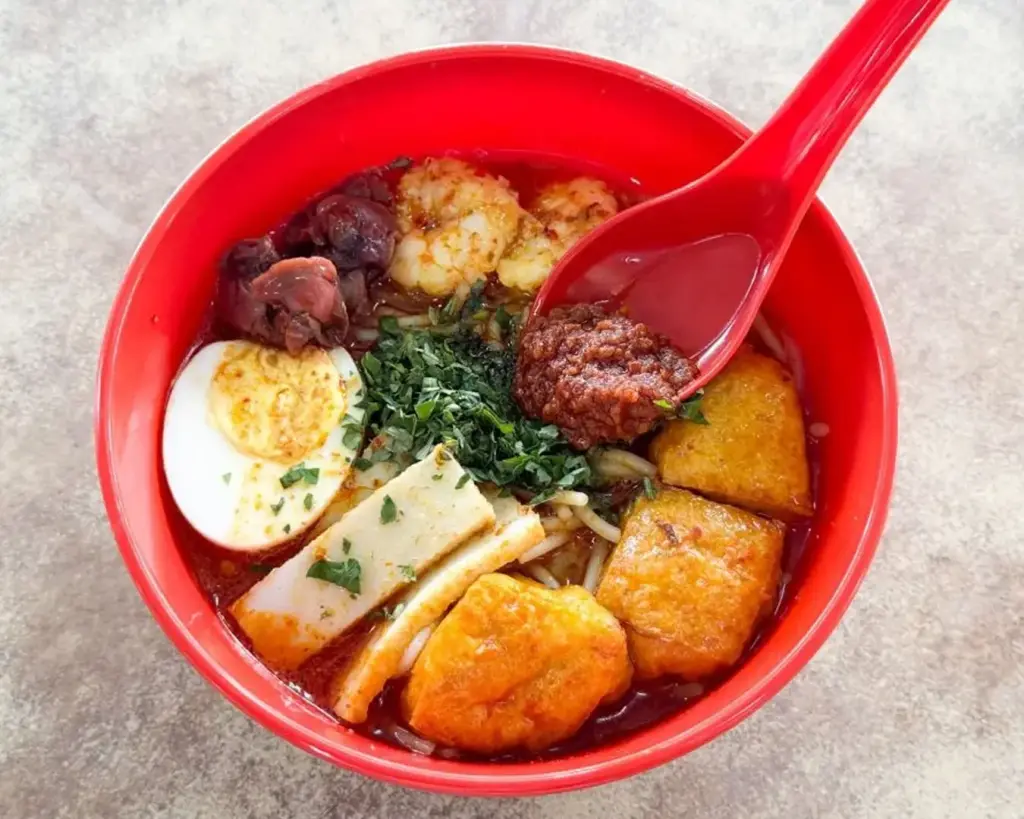
Laksa doesn’t belong to a strict schedule; it’s mood-driven. It’s responsive: sought after for physical cravings—salt, fat, spice—or psychological ones—memories, homesickness, fleeting feelings.
Some stalls like Terry Katong Laksa offer healthier versions without MSG, sugar, or evaporated milk, appealing to health-conscious diners seeking lighter broth. This emotional elasticity cements laksa’s cultural place. Heavy enough as reward, light enough for everyday comfort. We project moods onto the bowl: vibrant treat on good days, reliable warmth on bad.
The taste of laksa can vary widely, from rich and creamy to on the lighter side, depending on the recipe and ingredients used. Common toppings include prawns, cockles, fishcake, and sometimes boiled eggs or chicken, adding layers of texture and flavor to each spoonful.
How Environment Shapes When We Eat Laksa: The Ubiquity of Laksa Stalls Across Singapore
Cravings don’t exist alone; they’re shaped by Singapore’s physical and infrastructural realities. Hawker centres’ ubiquity means laksa is always nearby, removing choice friction. Frequent eating is woven into neighborhood layouts.
From 328 Katong Laksa on East Coast Road to original Katong laksa at Roxy Square, to Wei Yi Laksa at Tanglin Halt Food Centre, laksa options abound.
Jalan Besar features traditional stalls like Sungei Road Laksa at Jalan Berseh, where broth is cooked over charcoal, imparting smoky aroma.
Others prefer thick, rich coconut gravy of Alexandra Village Claypot Laksa at Alexandra Village Food Centre. Some avoid lard, opting for healthier oils, making lighter or more authentic laksa.
Singapore’s climate shapes laksa’s role. Moving between freezing air-conditioned offices and humid streets, hot spicy noodles equalize, forcing sweat and cutting lethargy. Food centre architecture—open, ventilated—spreads pungent broth aromas, nudging diners toward communal sensory experiences.
Celebrating the Best Laksa in Singapore
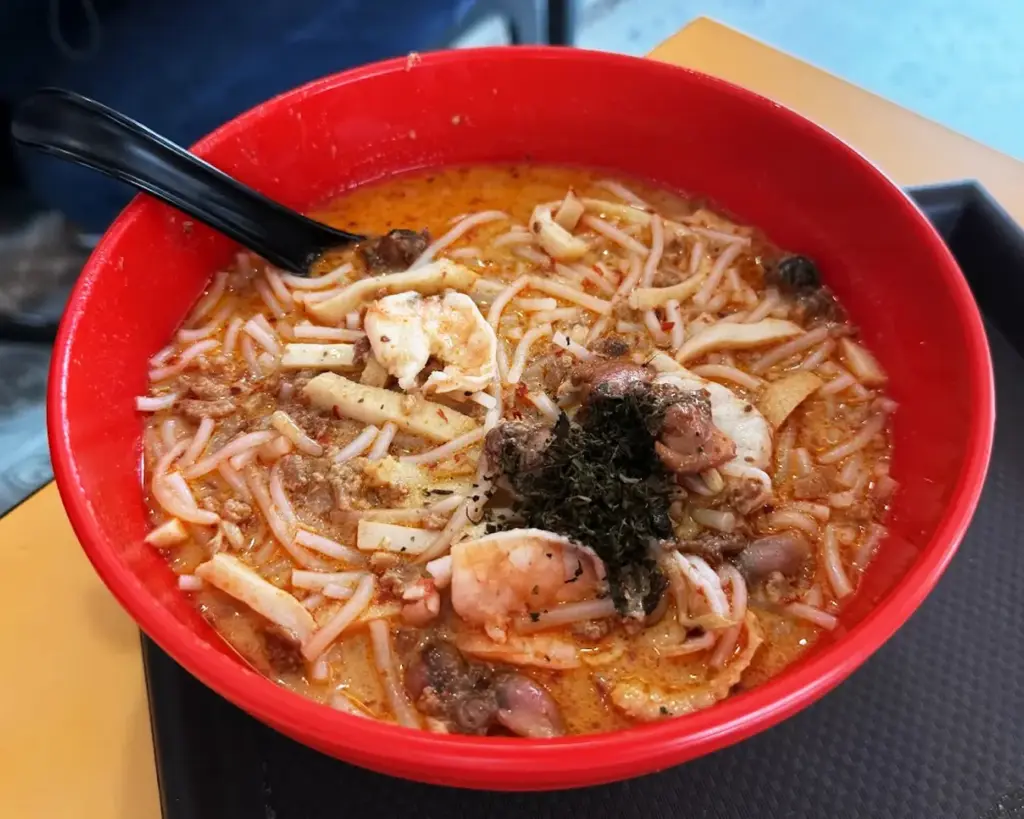
Food is more than fuel; it marks time, responds to environment, and reflects internal states. Laksa’s enduring presence proves culinary traditions survive by adapting to daily realities. It serves hurried executives at noon, solitary residents at dusk, families on weekends. Its function changes with who holds the spoon and the weather outside.
Among famous stalls, George’s Laksa is well-known with a long history, beloved by locals and tourists alike. Some stalls use evaporated milk instead of coconut milk, creating lighter, creamier broth variations. 328 Katong Laksa’s international fame grew after celebrity chef Gordon Ramsay visited and competed in a food challenge there, boosting its profile.Next time you queue for laksa, observe your surroundings and mood. Notice the weather and pace around you. You’re not just satisfying hunger but participating in a quiet rhythm defining the world’s best laksa in Singapore.