
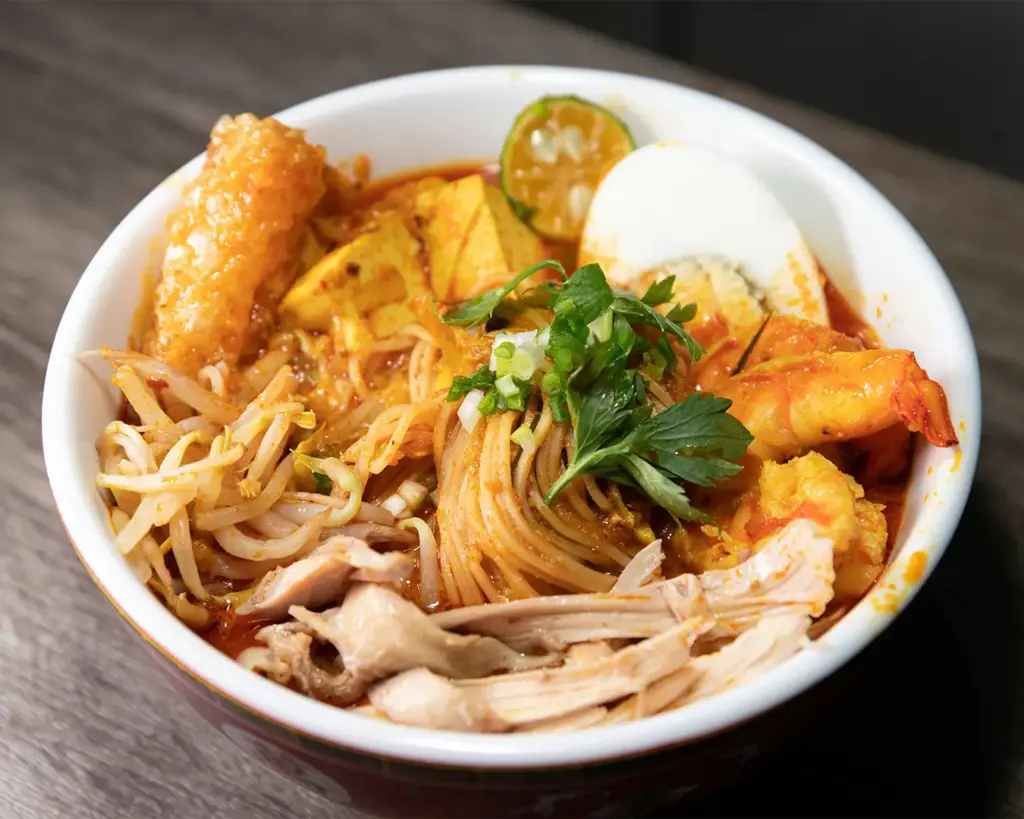
I still remember my first authentic bowl of Katong laksa on Singapore’s East Coast Road. The thick, sunset-orange broth dotted with blood cockles was intimidating, but the rich coconut milk mixed laksa gravy, balanced with chili heat and dried shrimp umami, was unforgettable.
Singapore curry laksa, also known as laksa lemak or Nyonya laksa, features a creamy, spicy coconut milk broth made from a fragrant laksa paste, shrimp stock, and coconut milk. It is traditionally served with thick rice noodles or laksa noodles cut short for spoon eating, topped with cooked shrimp, fish cakes, fried tofu puffs, bean sprouts, and garnished with fresh Vietnamese coriander (laksa leaves). The broth’s distinctive “sandy” texture comes from ground dried shrimp, adding deep umami flavor.This iconic dish is a hallmark of Peranakan cuisine and a beloved comfort food in Singapore, enjoyed in various styles across the city—from heritage hawker stalls to modern cafes. Its rich cultural significance and diverse regional variations, such as Penang asam laksa and Sarawak laksa, highlight laksa’s enduring popularity and the rich tapestry of Southeast Asian culinary heritage.What Actually Is Singapore Curry Laksa with Coconut Milk?
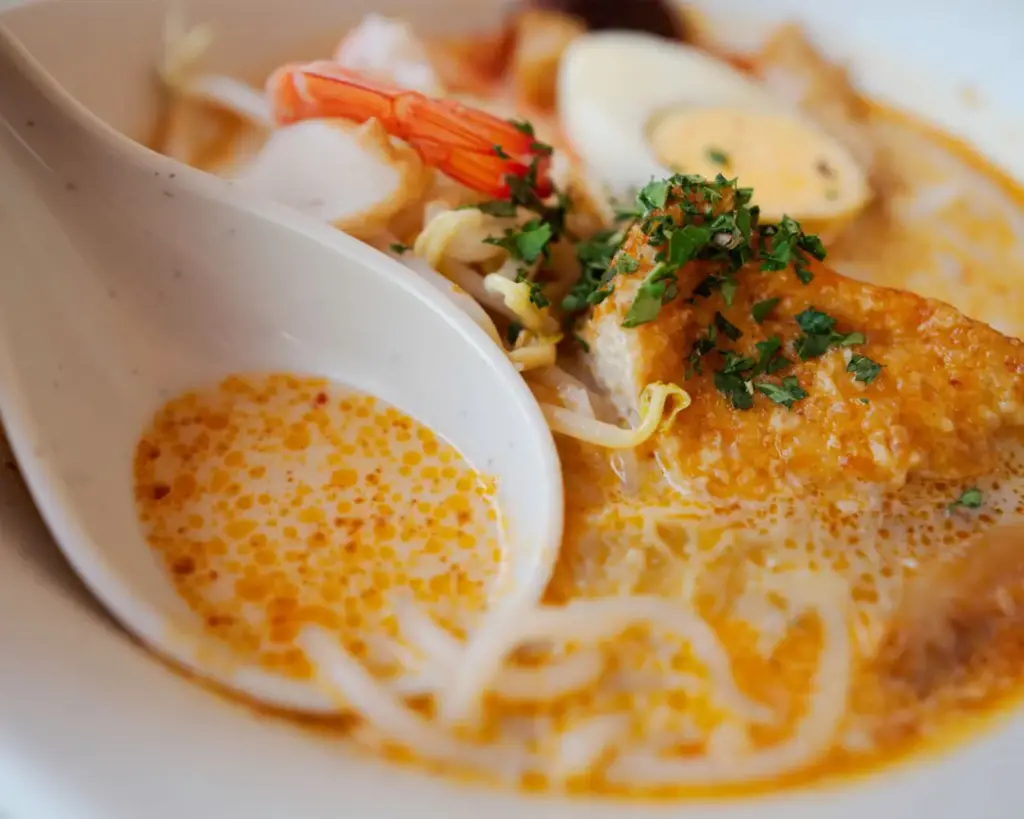
In Singapore, laksa usually means curry laksa (Nyonya or Katong style), distinguished from asam laksa, which is tamarind-based and sour. Curry laksa features a rich coconut milk-based spicy soup.
Four key elements define a great Singapore curry laksa:- Laksa Paste (Rempah): A blend of lemongrass, galangal, shallots, dried chilli, turmeric powder, and belacan (fermented shrimp paste), stir-fried slowly over medium heat until fragrant oils separate.
- Laksa Broth: Made by combining the spice paste with rich coconut milk and prawn stock from heads and shells. This broth, typical of laksa lemak or nyonya laksa, has a creamy, savory, slightly sweet flavor with a distinctive “sandy” texture from ground dried prawns.
- Laksa Noodles: Traditionally thick rice vermicelli or fresh rice noodles cut into short pieces for easy spoon eating. The Katong method blanches noodles in hot water, then layers them with boiling gravy to coat with flavor.
- Garnishes: Typical toppings include cooked shrimp, fish cakes, fried tofu puffs (bean curd puffs), bean sprouts, herbs, and chopped daun kesum (laksa leaves or Vietnamese coriander). Blood cockles (hum) are common but optional.
Just So You Know: Not all laksa broths are equally creamy. Some emphasize coconut milk (laksa lemak), while others highlight dried shrimp and spices.
Essential Ingredients of Curry Laksa
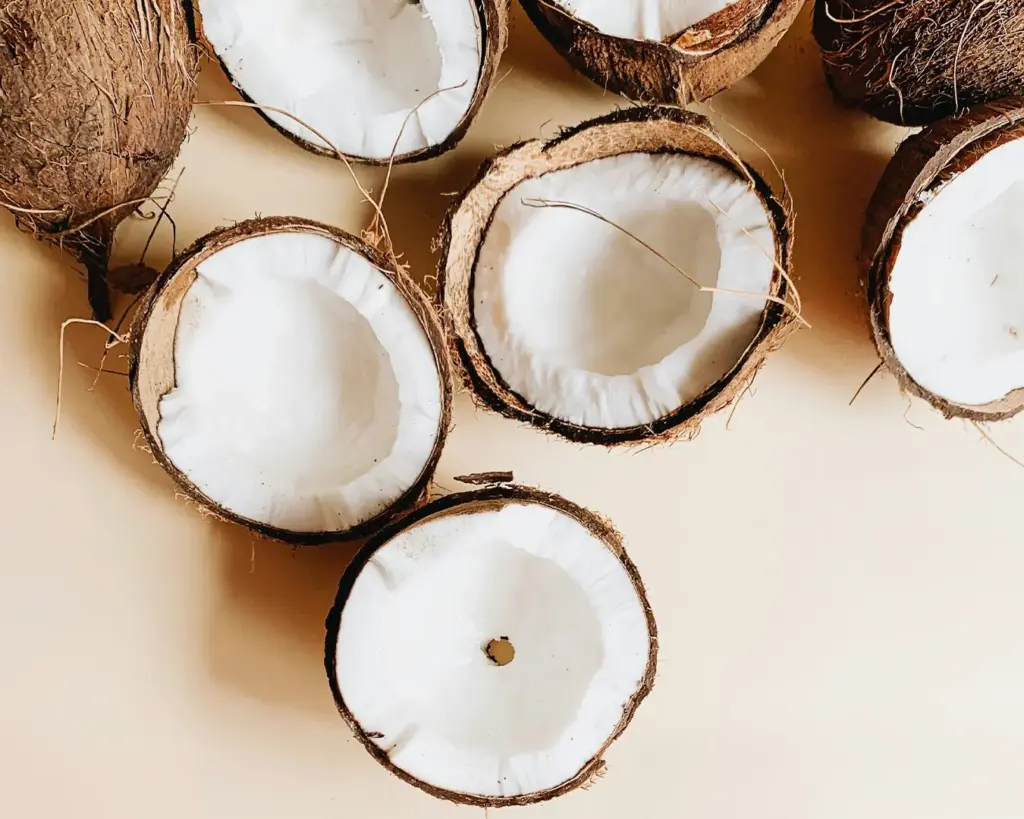
The soul of curry laksa is its homemade laksa paste—a blend of dried shrimp, shrimp paste, lemongrass, galangal, turmeric powder, and dried chilli. Stir-frying this paste releases aromas that form the laksa gravy’s backbone. Simmering it with coconut milk creates a creamy, slightly sweet broth.
Noodles vary but usually include rice vermicelli or thin rice noodles; fresh rice noodles offer a silkier texture. Katong laksa’s short-cut noodles make spoon-only eating possible.Toppings include cooked shrimp, fish cakes, fried tofu puffs, bean sprouts, and boiled eggs. Vietnamese coriander (laksa leaves) adds herbal freshness to balance coconut milk richness. A splash of fish sauce and lime juice brightens the flavor. Sambal oelek or chilli paste is served on the side for heat customization.Essential Broth and Stock Ingredients
High-quality coconut milk and shrimp stock (made from shrimp shells and heads) or chicken stock are crucial. Making broth ahead and storing it refrigerated or frozen saves time. Across Southeast Asia, laksa varies: Singapore laksa is creamy and coconut-forward; Penang laksa (asam laksa) is sour and fish-based; Sarawak laksa, Johor laksa, and Ipoh laksa each have unique noodles and spice blends.
Garnishes like fried shallots or crushed macadamia nuts add crunch, while curry powder and dried chilli adjust warmth and depth.Eat Katong Laksa Like This, Can Already
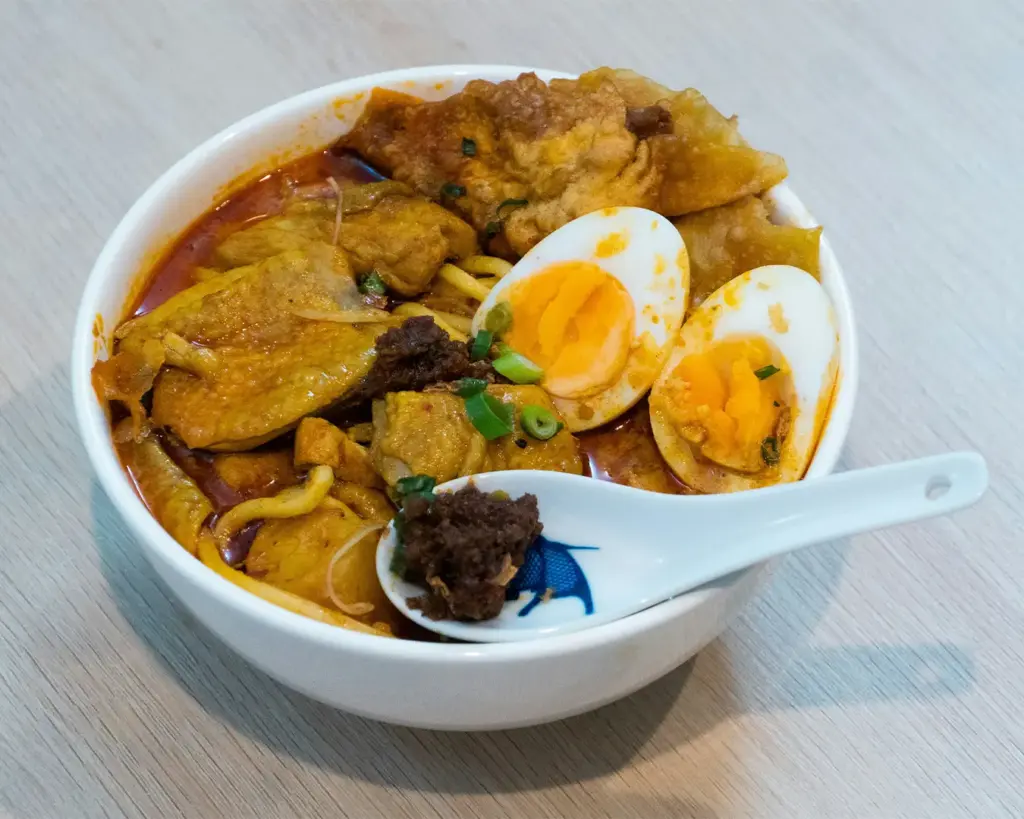
Step 1: Choose your style
Katong laksa offers a creamy, spoon-only experience with short noodles. Standard hawker centres serve longer noodles with chopsticks.
Step 2: Customize
- Say “No hum, please” to skip cockles.
- Request “Less spicy” to reduce sambal belacan or chilli paste.
- Ask to add cooked shrimp or fried tofu puffs for extra toppings.
Step 3: Savor slowly
Don’t mix chilli paste immediately. Taste the broth first, then add sambal to your preferred heat. Eat small bites to enjoy flavors without feeling too full.
Pair with iced barley water or lime juice to cleanse the palate from coconut fat.Real-World Laksa Experiences
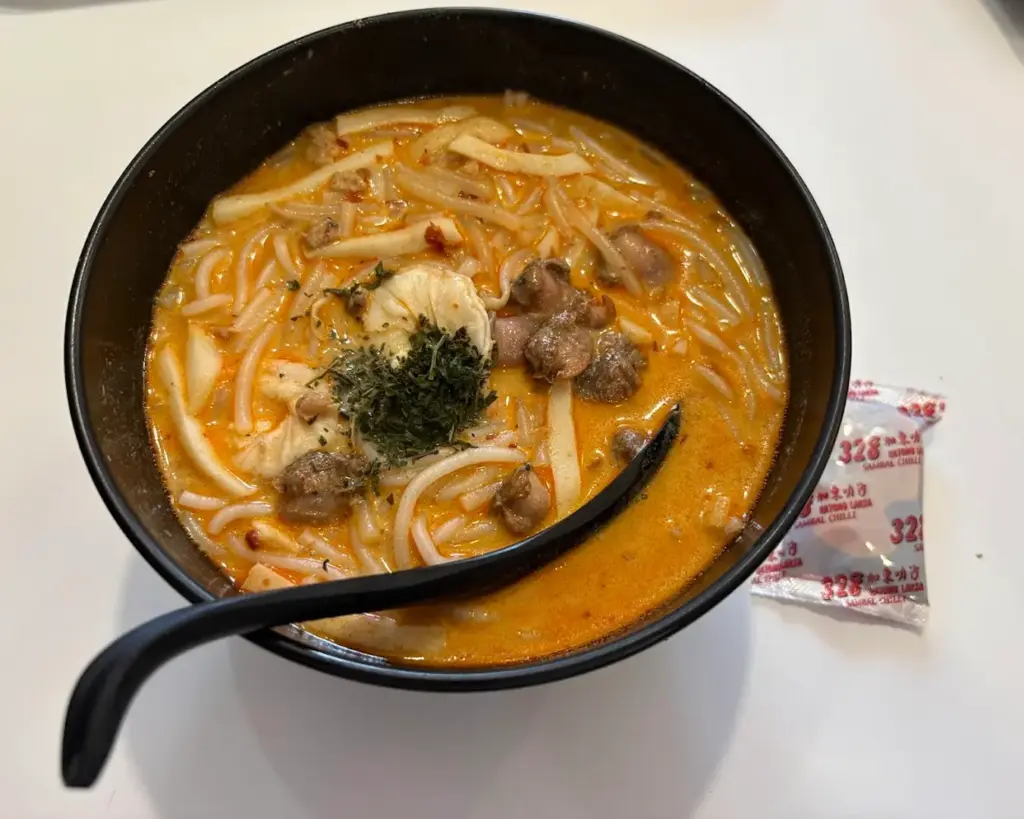
Katong (328 Katong Laksa)
Don’t mix chilli paste immediately. Taste the broth first, then add sambal to your preferred heat. Eat small bites to enjoy flavors without feeling too full.
Pair with iced barley water or lime juice to cleanse the palate from coconut fat.
Heritage Hawker (Sungei Road Laksa)
Lighter broth with a subtle smokiness from charcoal cooking. Served with chopsticks, it’s dangerously easy to eat two bowls in one sitting. This version often uses yellow noodles and rice vermicelli, showcasing the diversity of laksa recipes across Singapore.
Modern Twist (Jelebu Dry Laksa)
Dry curry mee with intense spice paste wok-fried noodles topped with premium seafood like lobster or tiger prawns. A modern take on tradition, it highlights the versatility of curry paste and the rich culinary heritage behind Singapore laksa.
Note: When preparing laksa at home, following packet instructions for noodles and using chicken stock or prawn shells for broth can help replicate authentic flavors. Adding a hard boiled egg and garnishing with fried shallots enhances both texture and taste.
Frequently Asked Questions
Is laksa very spicy?
No. The heat is balanced by coconut milk. Ask for less sambal if sensitive.
What are cockles (hum)?
Small saltwater clams, briefly blanched to retain a slightly raw center, adding ocean flavor. Safe in Singapore’s hygienic hawker centres, but avoid if pregnant or sensitive.
How do locals eat laksa?
Katong laksa’s short noodles are eaten with a spoon only. Longer noodles are eaten with chopsticks and spoon.
Which laksa is most authentic?
No single answer. Katong laksa has deep roots, but family recipes vary widely.
What It Comes Down To
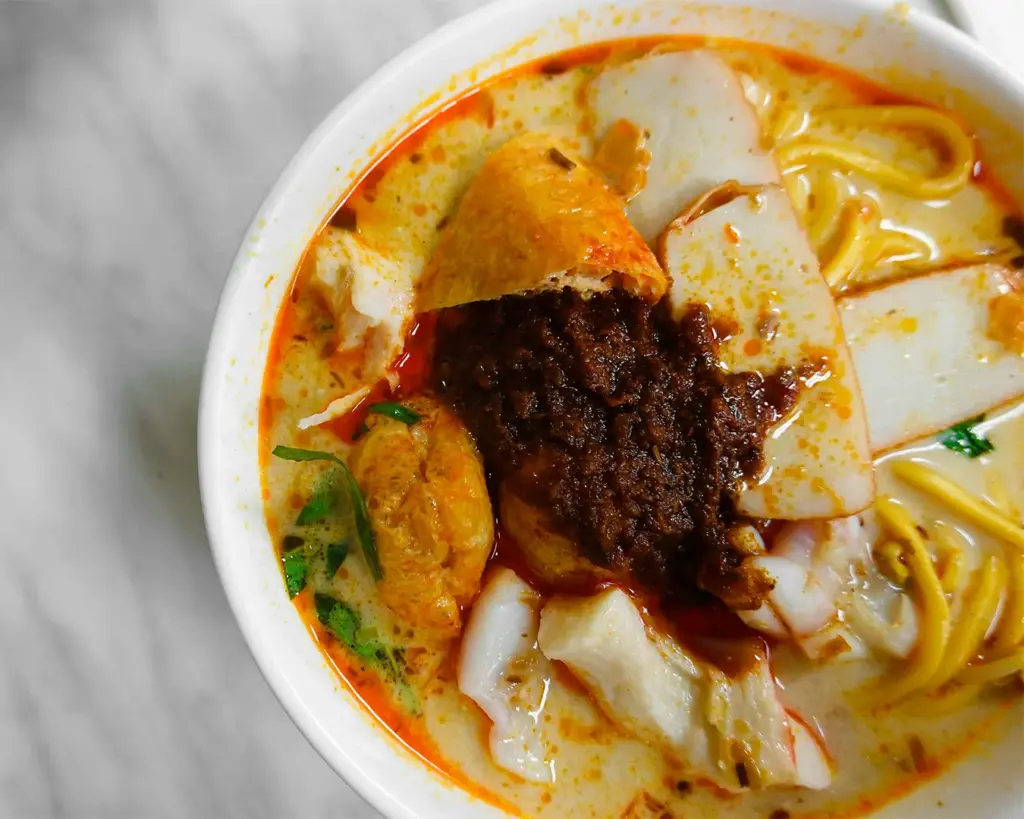
Eating laksa in Singapore is a sensory experience—visceral, sweaty, and satisfying. It’s a rite of passage to feel the heat, wipe your brow, and leave deeply full.
For your food itinerary, start with creamy Katong laksa at 328 Katong or Janggut Laksa. Then try lighter, charcoal-fired versions at Sungei Road. For adventure, try dry curry mee at modern cafes.Every Laksa Got Its Own Thing
Understanding the “best laksa” as a spectrum of history and culinary evolution deepens appreciation for this complex noodle soup. Grab tissues, secure a table, and start slurping this iconic singapore curry laksa, rich in coconut milk and infused with authentic laksa paste, shrimp paste, and garnished with laksa leaves and fried tofu puffs.
Singapore curry laksa, often called Katong laksa, is characterized by its vibrant orange broth made from a blend of fresh ingredients including dried chilli, galangal, lemongrass, turmeric powder, and candlenuts. The broth’s unique “sandy” texture comes from ground dried shrimp, adding a deep umami flavor. Traditionally, thick rice noodles or laksa noodles cut into short strands are used, allowing for spoon-only eating. Typical toppings include cooked shrimp, fish cakes, blood cockles, boiled eggs, bean sprouts, and fresh Vietnamese coriander (laksa leaves).Peranakan Heritage and Broth Preparation
This dish is a hallmark of Peranakan cuisine, reflecting a blend of Chinese and Malay culinary influences. The broth is carefully prepared by simmering prawn shells and heads to create a rich shrimp stock, which is then combined with coconut milk and the spice paste. Coconut milk is added towards the end of cooking and is never brought to a rolling boil to prevent curdling, ensuring a creamy and smooth laksa gravy.
For an authentic experience, the laksa paste is made from scratch using fresh aromatics such as galangal, lemongrass, and fresh turmeric root rather than dried spice powders. The paste is stir-fried until the oil separates, indicating full cooking and maximum flavor extraction.Cultural Significance and Regional Variations
Eating laksa in Singapore is not just about the food but also the cultural experience. It is often enjoyed communally during gatherings and celebrations, symbolizing the rich Peranakan heritage. Variants like laksa pulau pinang (Penang laksa), laksa sarawak, kedah laksa, and perlis laksa showcase the diverse regional adaptations of this beloved noodle soup across Southeast Asia.