
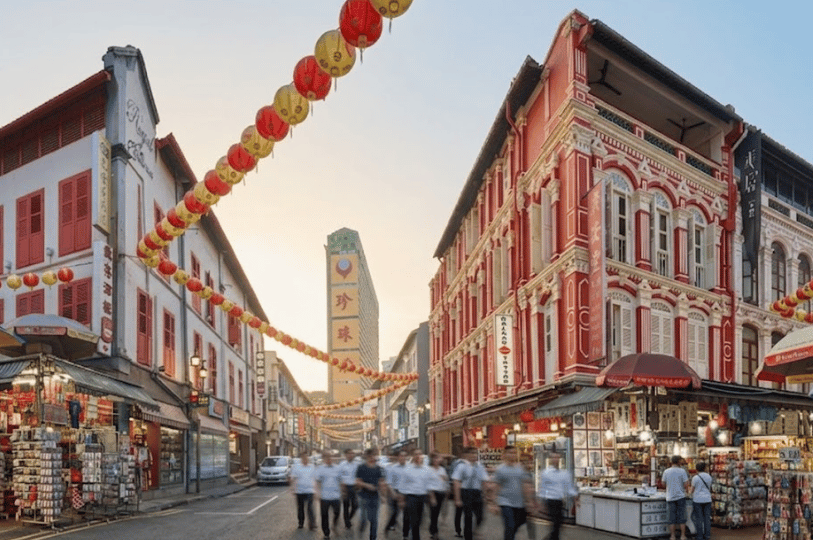
Singapore Chinatown is a vibrant food destination that masterfully blends traditional hawker fare, heritage restaurants, and modern cafes. Beneath the colorful lanterns and bustling streets lies a living community of street hawkers and food centres like Chinatown Complex Food Centre—Singapore’s largest hawker centre with over 260 stalls offering an incredibly diverse range of local and international cuisines.
This dynamic food scene reflects the city’s multicultural heritage and evolving tastes, making eating in Chinatown Singapore an unforgettable experience.
Eating in Chinatown Singapore: Morning Rituals and Signature Dishes
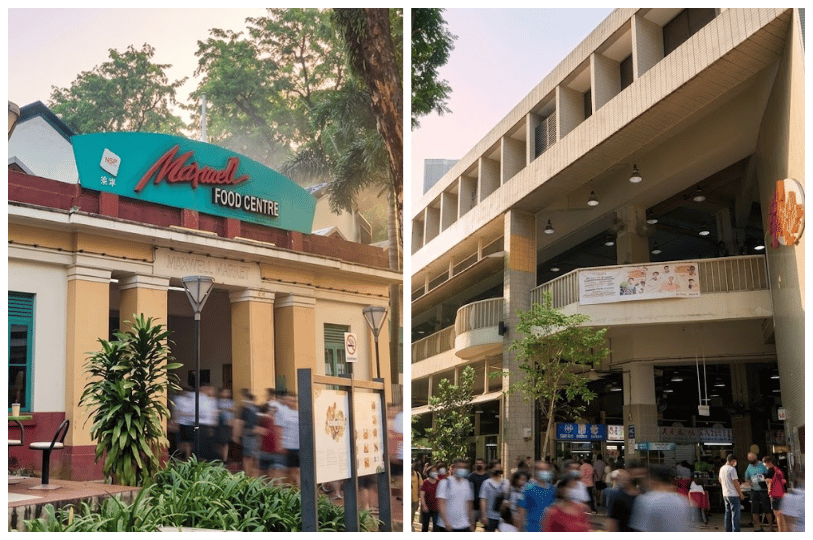
Before dawn, hawker stalls at iconic locations such as Maxwell Food Centre and Amoy Street Food Centre come alive with the preparation of beloved staples.
At Maxwell Food Centre, the movement is less about arrival and more about return. By mid-morning, the same tables begin to fill with a familiar rhythm—office workers who do not pause long enough to look around, older regulars who sit in the same corners, and stallholders who recognise orders before they are spoken. The space holds both urgency and repetition, where eating becomes part of a routine rather than a decision.
Ann Chin is a favorite stall for fresh popiah and peanut thick toast, both embodying local food traditions with their perfect balance of textures and flavors. Jia Ji Mei Shi serves yam cake and chee cheong fun, popular side dishes that offer comforting, traditional tastes. These early bites are perfect for those seeking an authentic start to their day in Chinatown.
Hainanese Chicken Rice and Chicken Rice: The Heart of Chinatown
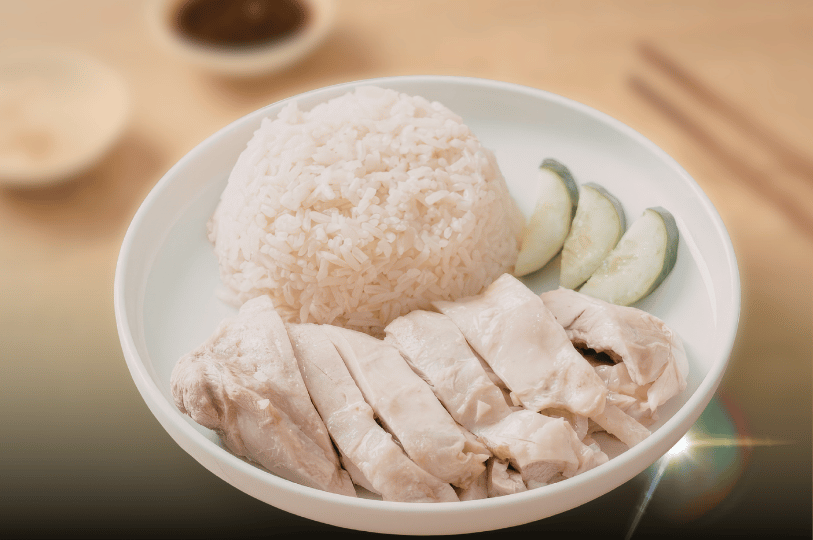
Hainanese chicken rice, featuring silky poached chicken and fragrant rice cooked in rich chicken stock, is a must-try dish in Singapore Chinatown. Tian Tian at Maxwell Food Centre is famed for this iconic dish, while Liao Fan Hawker Chan at Chinatown Complex popularized soya sauce chicken rice, earning a Michelin star for its affordable excellence. Both stalls highlight the incredibly tender chicken and aromatic rice that define this beloved meal.
Char siew rice and roasted meats like pork belly and black pepper chicken are also staples at hawker stalls, showcasing the rich flavors and variety of Singapore’s street food culture. Char siew noodles, with their savory-sweet roasted pork slices atop springy noodles, are a popular choice for those craving something hearty yet flavorful.
Yong Tau Foo and Claypot Rice: Traditional Comforts
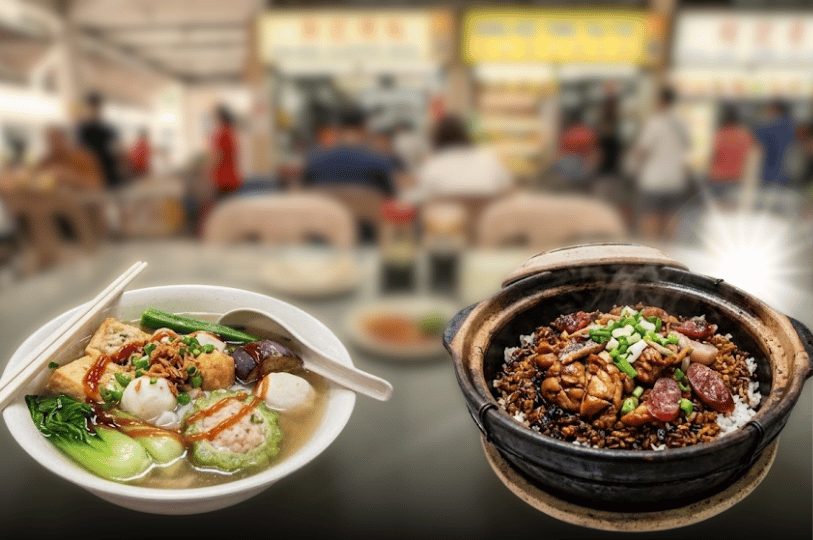
Yong tau foo, tofu and vegetables stuffed with fish paste, is a beloved dish found in many hawker centres, including Amoy Street Food Centre. This dish offers a healthy yet satisfying option, often served with a light broth or dipping sauce. Claypot rice, cooked over charcoal with chinese sausage, salted fish, and vegetables, offers a smoky, hearty meal with a crispy crust that is highly prized. He Ben Ji and Lian He Ben Ji are popular stalls serving this signature dish, where the smoky aroma and crispy rice edges make every bite a delight.
Maxwell Food Centre: A Culinary Hub
Maxwell Food Centre draws office workers, locals, and tourists alike with its open-air layout and variety of stalls. Beyond hainanese chicken rice, visitors can savor flat rice noodles like char kway teow and prawn hor fun cooked with wok hei—the distinctive smoky aroma from high-heat stir-frying that defines Singaporean hawker cuisine.
Fatty Ox HK Kitchen is renowned here for beef brisket noodles, a dish featuring incredibly tender beef brisket paired with springy noodles in a rich broth. Hawker stalls also serve economic bee hoon and kway chap, offering affordable, comforting meals that showcase the diversity of local flavors.
Yam Cake and Xiao Long Bao: Snacks and Delicacies
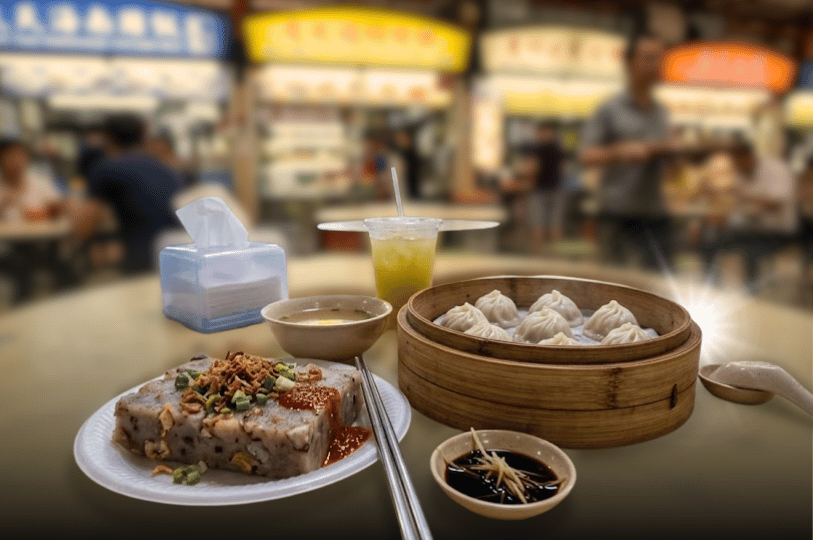
Yam cake and curry puffs are popular snacks at stalls like J2 Curry Puff, known for flavors including sweet taro and classic curry chicken. These snacks offer a perfect balance of savory and sweet, ideal for a quick bite. Xiao long bao, or soup dumplings, with their thin skins and flavorful broth, are a must-try delicacy.
Zhong Guo La Mian Xiao Long Bao and Shanghai Fried Xiao Long Bao at Chinatown Complex are celebrated for their expertly crafted dumplings, alongside hand-pulled noodles (guo la mian xiao long bao) that complement the soup-filled parcels beautifully.
He Ben Ji and Char Kway Teow: Local Favorites
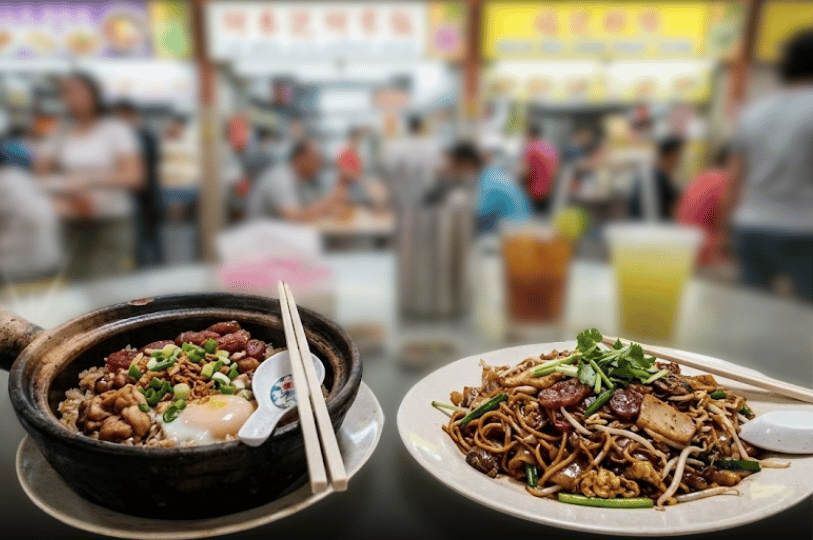
He Ben Ji is famed for its claypot rice and yam cake, while char kway teow, stir-fried flat rice noodles with bean sprouts, cockles, and Chinese sausage, embodies the wok hei flavor unique to Singapore’s hawker centres. The dish is a perfect example of how simple ingredients can be transformed into something incredibly delicious through skillful cooking.
Curry Puffs and Black Pepper Chicken: Heritage and Flavor
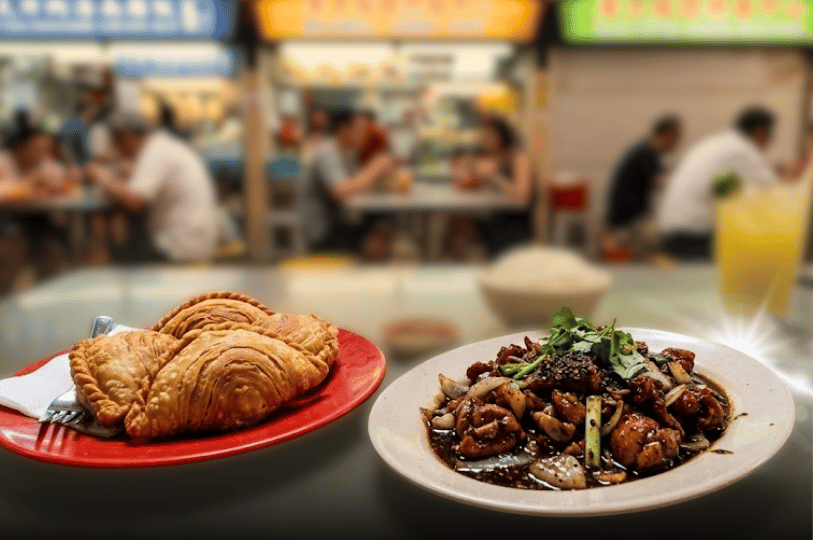
Curry puffs, a beloved street snack, are available at stalls like J2, which also serves sweet taro variants. Black pepper chicken, known for its tender meat and spicy kick, is a popular hawker centre dish enjoyed alongside other roasted meats. The fried chicken here is often incredibly tender with a crispy exterior, making it a favorite among locals and visitors alike.
Kaya Toast and Dim Sum: Breakfast and Beyond
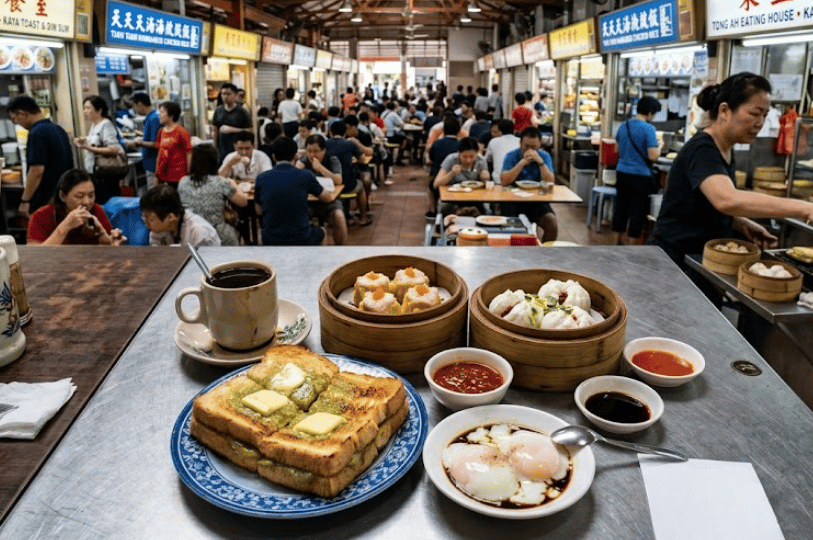
Kaya toast with soft boiled eggs and kopi is a quintessential breakfast, best enjoyed at traditional kopitiams. The rich coconut milk-based kaya spread pairs perfectly with the crisp toast and the strong, creamy coffee.
Dim sum, including bite-sized dumplings, buns, and pastries, is served at heritage eateries and modern spots alike. Spring Court stands out as Singapore’s oldest family-run Chinese restaurant offering extensive dim sum menus, featuring classics like xiao ya tou and other Cantonese favorites.
Hawker Chan: Michelin Star Legacy
Liao Fan Hawker Chan at Chinatown Complex made history as the first hawker stall awarded a Michelin star for its soya sauce chicken rice. This recognition elevated hawker food’s status and drew long queues, making it a symbol of Chinatown’s culinary excellence.
Their char siew noodles and soya sauce chicken are incredibly tender and packed with flavor, representing the best food Chinatown has to offer.
Chinatown Heritage Centre and Culinary Culture
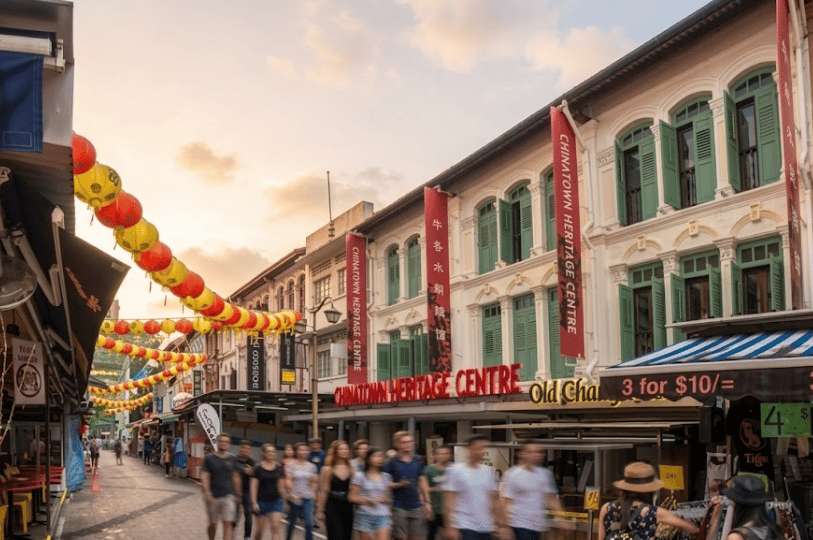
The Chinatown Heritage Centre offers insight into the history behind these dishes and the people who prepare them. Eating in Chinatown Singapore is not just about food but also about connecting with a rich cultural tapestry woven through generations of street hawkers and family-run stalls. Visitors can explore recreated homes and shophouses to understand the stories behind the flavors, deepening their appreciation for the culinary heritage.
From chilli crab to pork ribs, prawn paste chicken to sweet taro desserts, Chinatown is a treasure trove of signature dishes. Whether at bustling hawker centres or heritage eateries like Spring Court and Kok Sen Restaurant, visitors can experience the evolving yet enduring flavors of Singapore’s culinary heart. For more detailed guides and the latest updates on eating in Chinatown Singapore, visit sgfoodchronicles.com and embark on your own delicious journey.
Desserts and Refreshing Treats
No food journey in Chinatown is complete without sampling local desserts. Mei Heong Yuen Dessert is renowned for its shaved ice topped with gula melaka and red beans, offering a refreshing contrast to the savory dishes. The sweet combination of coconut milk, gula melaka, and red beans creates a delightful balance of flavors and textures.
Modern Fusion and Cultural Dining Experiences
Chinatown is also home to innovative dining experiences. Xiao Ya Tou is a modern Asian fusion restaurant known for its creative dishes that blend traditional flavors with contemporary twists. This reflects Chinatown’s dynamic food scene, where heritage meets innovation.
Spring Court, established in 1929, remains a pillar of traditional Chinese cuisine, offering a massive menu that includes yam ring with mixed veggies and prawns, roasted suckling pig, and chilli crab in claypot, showcasing the depth of Cantonese culinary traditions.
The Vibrant Rhythm of Chinatown’s Food Scene
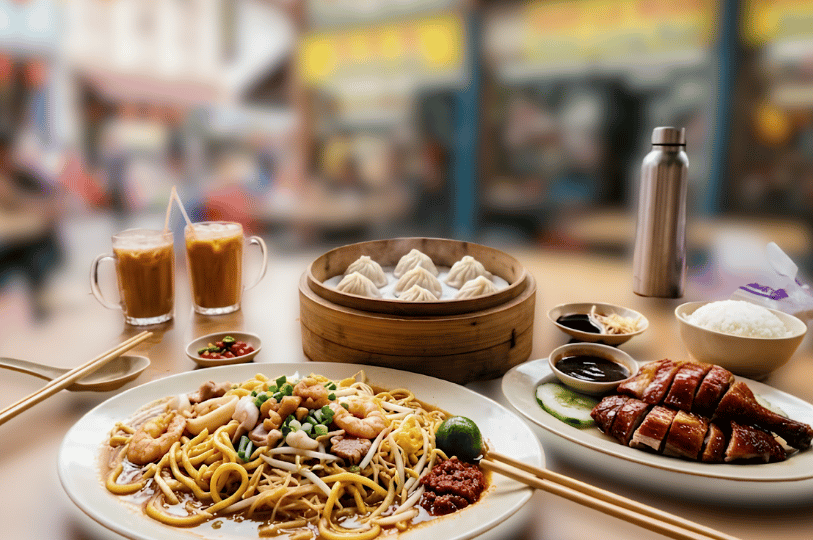
This neighborhood’s rhythm—early mornings, busy lunch hours, and quiet afternoons—reflects a community dedicated to preserving tradition while embracing change. The shared meals, familiar faces, and iconic dishes continue to define the unique food culture of Singapore Chinatown. Whether indulging in a bowl of hokkien mee or savoring a plate of xiao ya tou, visitors are sure to experience the best food that Chinatown has to offer.
Chinatown’s hawker centres, heritage eateries, and modern cafes together create an incredibly rich culinary tapestry. From guo la mian xiao long bao to fried chicken, coconut milk-based desserts to char siew noodles, the district offers something for every palate.
This blend of tradition and innovation ensures that eating in Chinatown Singapore remains a captivating and delicious adventure for locals and visitors alike.