
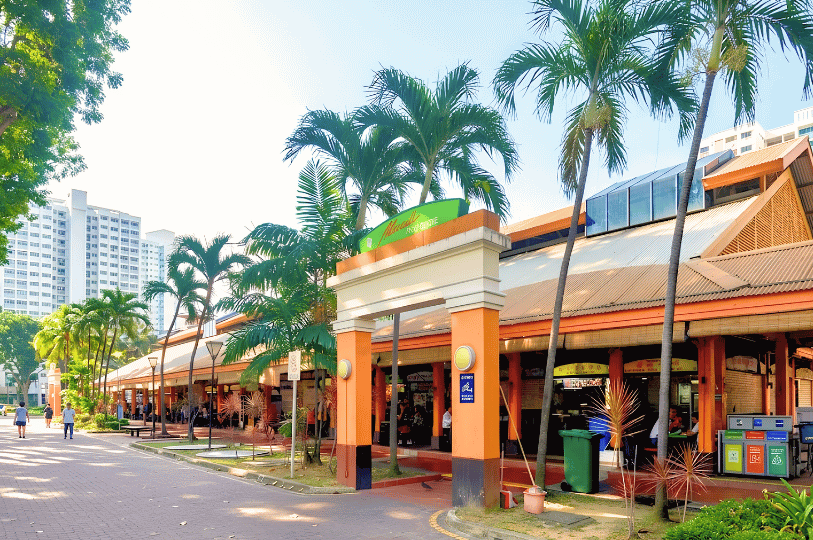
Walk down South Bridge Road on any given morning, and the rhythmic chopping of poultry and the sharp scent of roasted chili will guide you before the building even comes into view. Set in the heart of Chinatown, Maxwell Food Centre occupies a unique space in Singapore’s culinary landscape. It features three long, parallel rows of hawker stalls housed under a high, vaulted roof, creating a bustling, naturally ventilated corridor of relentless culinary activity. The concrete floor beneath is often damp from washing points used for washing raw market produce, a reminder of the centre’s connection to traditional food preparation practices.
Over the years, this specific hawker centre has garnered international fame. Television hosts and guidebooks frequently point visitors toward its tiled corridors. Yet, if you look past the tourists studying Google Maps and holding cameras, you will notice a different rhythm entirely. You will see office workers from the nearby Central Business District loosening their ties, uncles reading the morning paper over thick coffee, and families who have been eating here for three generations.
For these diners, Maxwell Food Centre is not a culinary destination to check off a list. It is a daily dining room. To understand the true value of this food centre, we must look at how the regulars navigate it. Finding a satisfying meal here requires looking beyond the longest queues and understanding the subtle routines that keep locals coming back week after week.
Why Regulars Still Choose Maxwell Food Centre and Its Authentic Food Stalls
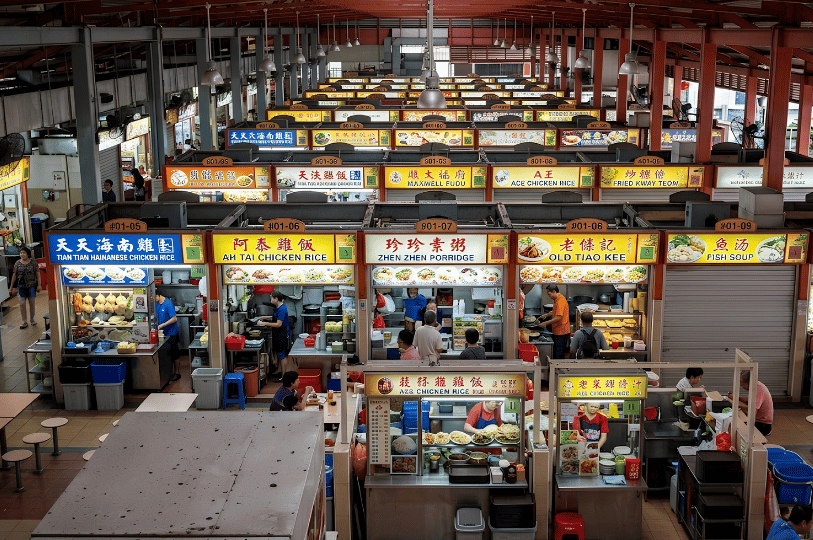
Singapore boasts over a hundred hawker centres, many tucked quietly into residential estates far from the downtown core. So why do locals continue to flock to a space that often requires navigating heavy foot traffic and limited seating? The answer lies in the uncompromising consistency of its legacy hawker stalls.
Maxwell Food Centre houses an unusually high concentration of multi-generational hawkers. These are cooks who have spent decades refining a single dish. While modern food courts offer convenience and air-conditioning, they rarely replicate the depth of flavor found in a pot of broth that has been simmering in the same stall since the 1980s. Regulars understand that this level of institutional memory translates directly onto the plate.
Furthermore, the physical location creates a unique intersection of demographics. Situated between the heritage shophouses of Chinatown and the towering glass facades of Tanjong Pagar, the centre serves as a vital bridge. It is a place where corporate executives and long-time neighborhood residents share the exact same bench. This communal equalizer is a hallmark of local food culture, and it remains vibrantly alive here.
The Best Chicken Rice and More at Maxwell Food Centre According to Regulars
When locals visit, they rarely follow the tourist itineraries. Instead, they rely on a mental map of stalls known for unyielding quality, generous portions, and distinct flavour profiles. Here are the stalls that anchor the daily routines of the regulars.
Ah Tai Hainanese Chicken Rice: A Legacy Stall with an Expert Head Chef
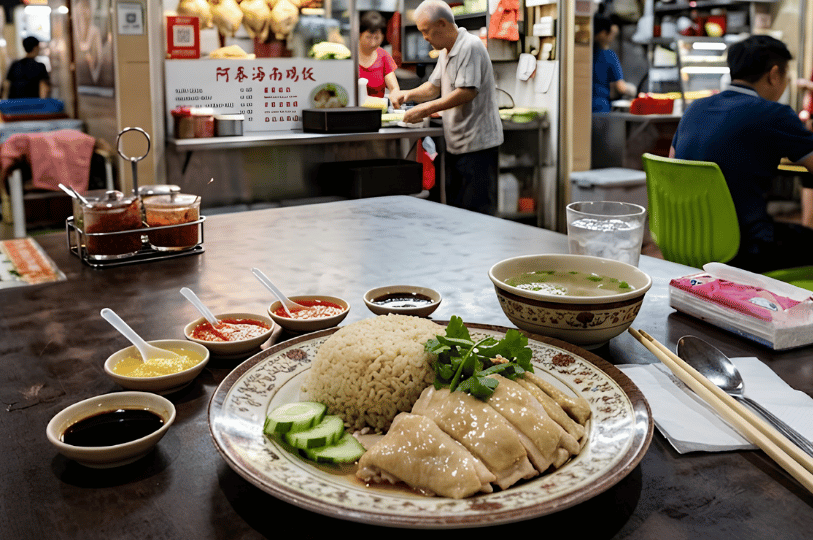
While most guidebooks direct foot traffic to the internationally recognized Tian Tian Hainanese Chicken Rice stall a few doors down, many long-time patrons quietly join the queue at Ah Tai. Founded by a former head chef of that very same famous stall, Ah Tai offers a masterclass in Hainanese chicken rice without the staggering wait times.
Regulars choose this stall for the sheer precision of the cooking. The chicken is poached gently, resulting in meat that is incredibly tender and covered by a smooth, gelatinous skin. But the true test of this dish lies in the rice and the condiments. The grains here are plump, slicked with chicken fat, and deeply infused with ginger and garlic. The accompanying chili sauce carries a bright, acidic punch that cuts perfectly through the richness of the rice. It is a reliable, deeply comforting plate that never wavers in quality.
Zhen Zhen Porridge and the Hawker Stalls Serving Soup and Noodles
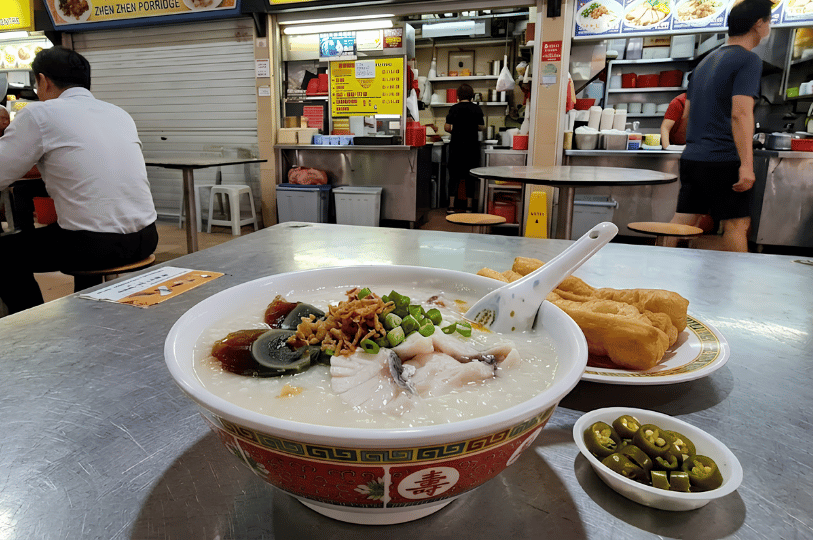
If you visit Maxwell early in the morning, you will notice a persistent line forming before the sun has fully risen. They are waiting for Zhen Zhen Porridge, a stall that transforms simple rice gruel into a profoundly satisfying meal.
The hawkers here serve traditional Cantonese-style congee. The rice is boiled down until it completely disintegrates, creating a thick, velvety texture that coats the spoon. Regulars almost always order the sliced fish and shredded chicken porridge, topped generously with raw scallions, fried shallots, and a heavy dash of five spice powder. What makes Zhen Zhen stand out is the underlying savoriness of the porridge itself, which absorbs the natural sweetness of the fresh fish. It is a dish of pure comfort, favored heavily on rainy days or quiet weekend mornings.
Nearby, Jin Hua Fish Head Bee Hoon serves a flavorful bowl of Cantonese-style fish head soup with noodles. The broth is rich and creamy, enhanced with milk, and filled with prawns, fish, and fresh spinach. Diners appreciate that the soup is made from scratch using running water and fresh ingredients, avoiding artificial flavorings.
Maxwell Fuzhou Oyster Cake: An Authentic Traditional Snack
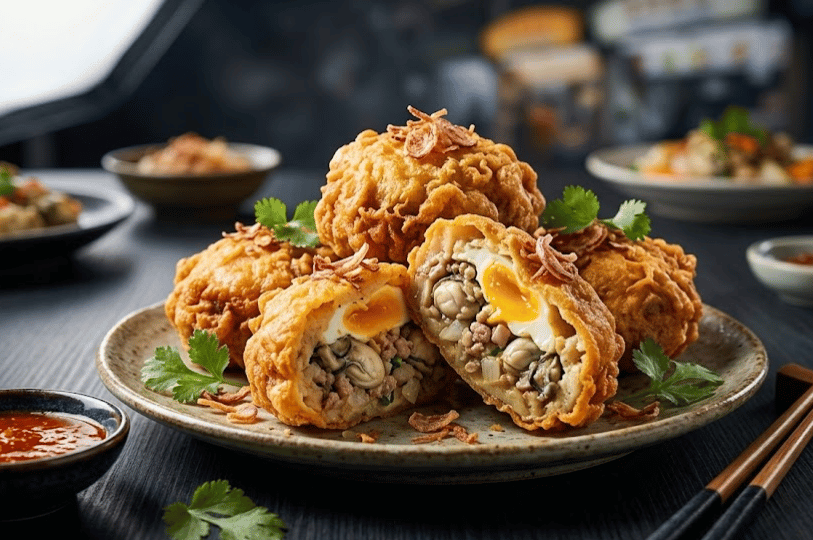
Hawker food is often associated with heavy meals, but regulars know the value of a perfectly executed snack. The Maxwell Fuzhou Oyster Cake stall is one of the last remaining places in Singapore to find this traditional oyster cake made by hand, right in front of you.
The preparation is mesmerizing. The hawker ladles a thin rice batter onto a flat, round spatula, fills it with minced pork, fresh oysters, and coriander, tops it with more batter, and finishes it with a sprinkle of peanuts before plunging it into hot oil. The result is a savory, golden-brown disc with a crisp exterior and a soft, flavorful core. Regulars buy these in multiples, eating them straight out of the small brown paper bags as they walk back to their offices or wait for their main courses.
Mr Appam: South Indian Pancakes and Unique Flavours at Maxwell Food Centre
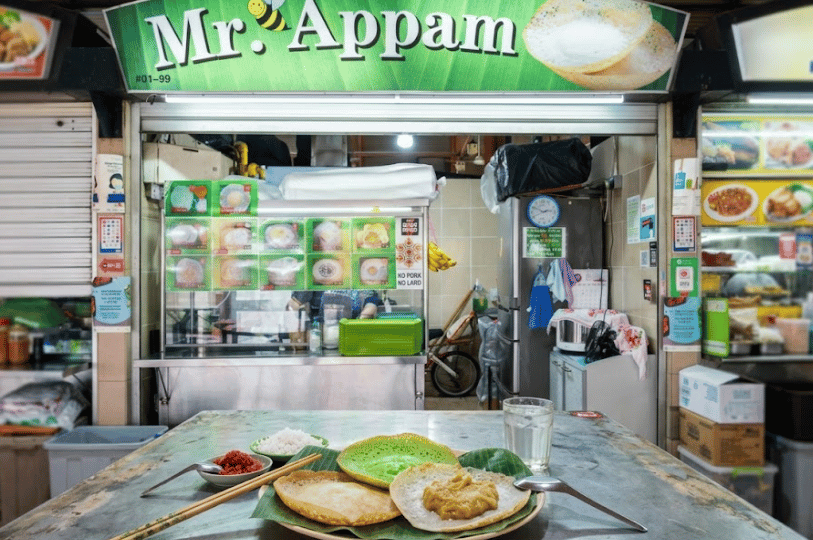
For those craving something different, Mr Appam offers authentic South Indian pancakes made from fermented rice batter. This stall has quickly become a favorite among locals for its variety of appams, including the classic Princess Appam topped with egg and cheese, and more adventurous flavors like pandan and gula melaka.
These light, fluffy pancakes are a perfect accompaniment to the rich, spicy dishes found throughout the food centre.
Old Nyonya and the Best Laksa in Singapore
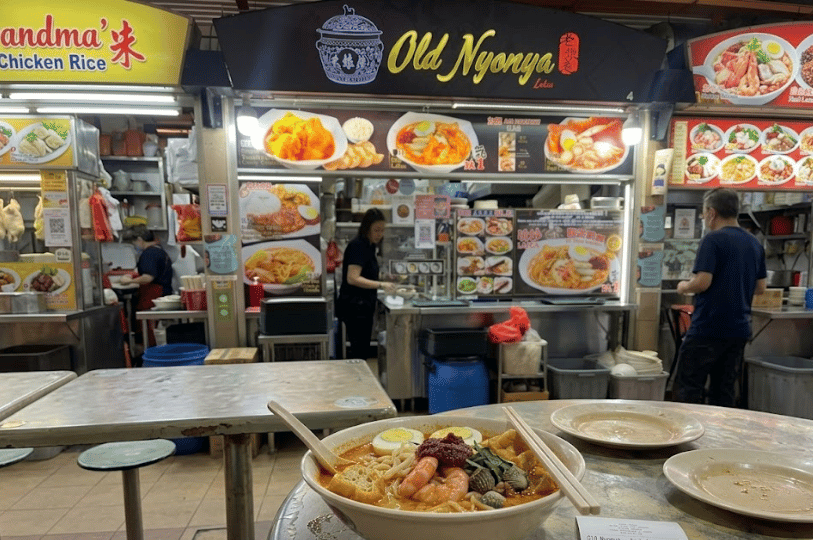
Around since the 1960s, Old Nyonya is celebrated for its homely Peranakan dishes, including rendang chicken and curry chicken. However, it is their laksa that has earned a special place in the hearts of locals and visitors alike.
Often regarded as serving some of the best laksa in Singapore, Old Nyonya’s laksa features a rich, creamy coconut broth infused with a complex blend of spices, topped with fresh prawns, cockles, and tau pok. This dish perfectly embodies the depth of Peranakan culinary heritage and remains a must-try for anyone visiting Maxwell Food Centre.
How Regulars Actually Eat at Maxwell Food Centre
Eating here is not just about choosing the right stall; it is about understanding the mechanics of the space. Regulars employ a very specific set of strategies to maximize their dining experience.
Strategic Timing and Opening Hours: Locals rarely visit at peak lunch hour. The centre can get crowded during lunch time and dinner, especially at popular stalls like Tian Tian Hainanese Chicken Rice and Ah Tai. Instead, regulars schedule their visits for just before or after these peak times to avoid long queues and secure seating.
The Art of Table Sharing: In a crowded hawker centre, an empty seat is a public resource. Regulars do not hesitate to ask, “Is anyone sitting here?” and join strangers at a table. There is no obligation to make small talk. It is a quiet, mutual agreement of efficiency.
The Divide and Conquer Method: When visiting in groups, regulars never queue together. One person secures the table (often using a tissue packet or an umbrella to chope or reserve the seats), while the others split up to queue at different stalls. This allows the group to assemble a diverse feast of roast meats, noodles, fried rice, and vegetables in half the time.
Mixing Wet and Dry Dishes: A classic local dining strategy involves balancing textures. If a regular orders a dry plate of chicken rice, they will often purchase a bowl of sour soup or fish soup from a neighboring stall to wash it down.
The Enduring Appeal of Maxwell Food Centre and Maxwell Market History
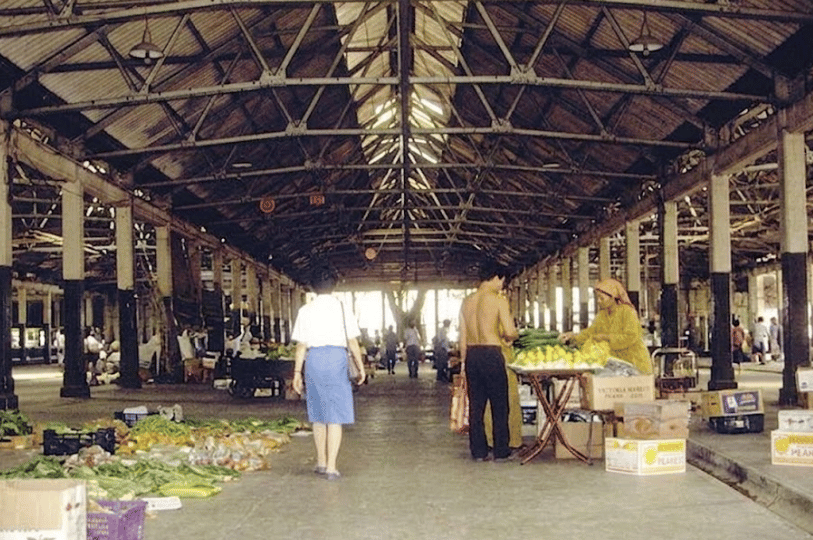
As the city outside continues to modernize, tearing down old structures to build new commercial towers, Maxwell Food Centre remains a steady, grounding force. Originally opened as Maxwell Market in 1928 on Maxwell Road, the site has a rich history connected to the local community. The market was built on a former Chinese burial ground and evolved over the decades to become a vibrant hub for hawkers and shoppers alike.
In 1987, after a major renovation, it was transformed into Maxwell Road Food Centre to accommodate hawkers relocated from China Square, further cementing its role as a key culinary destination. Another significant renovation in 2001, costing S$3.2 million, modernized the facilities and expanded the number of stalls to over 100, blending traditional charm with contemporary needs.
Today, Maxwell Food Centre stands not only as a testament to Singapore’s hawker heritage but also as a lively meeting point where history and modernity converge, attracting locals and tourists eager to experience authentic Singaporean street food.