
The queue at the new hawker centre began forming before 11 a.m. It snaked past a mural of abstract local flora, its bright colours a stark contrast to the functional tiles of older food centres like Maxwell Food Centre and Amoy Street Food Centre. People in the line were not the usual office workers or neighbourhood uncles.
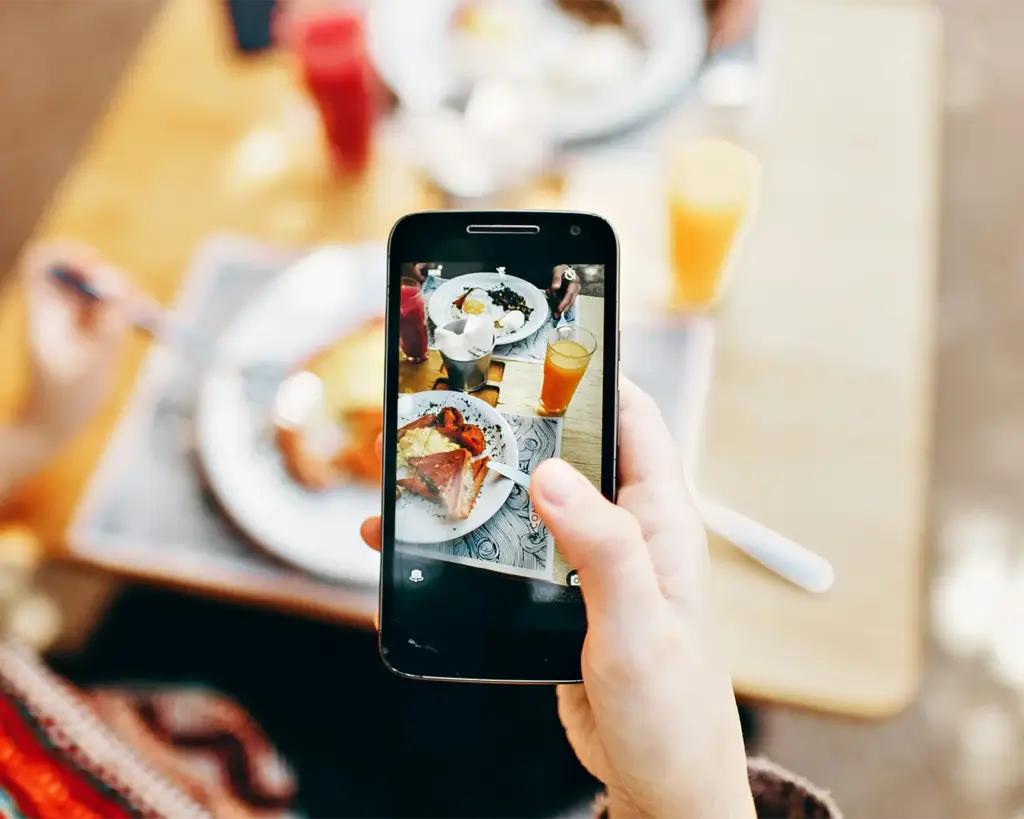
They were younger, holding phones aloft to capture the scene: the neon sign of a fusion noodle stall, the heritage-inspired floor tiles, the carefully curated mess of another’s photogenic lunch. This was a hawker centre designed for the screen first, the stomach second. A plate of traditional char kway teow, meticulously arranged, passed by. The person holding it stopped under a spotlight, adjusted a garnish, and took a photo before taking a bite. The transaction was complete, but it was a digital one.
This scene is increasingly common across Singapore’s hawker centres. As new food centres emerge and older ones are refurbished, a design trend driven by social media visibility—‘Instagrammable’—has taken hold. This shift prompts us to consider the economic, social, and cultural impacts of tailoring hawker culture for digital appeal. Traditionally, hawker centres foster community interactions and embrace people from all walks of life, promoting social cohesion and multicultural integration. When designed primarily for online sharing, what is gained and what might be lost?
The Origins and Evolution of Singapore’s Hawker Centres
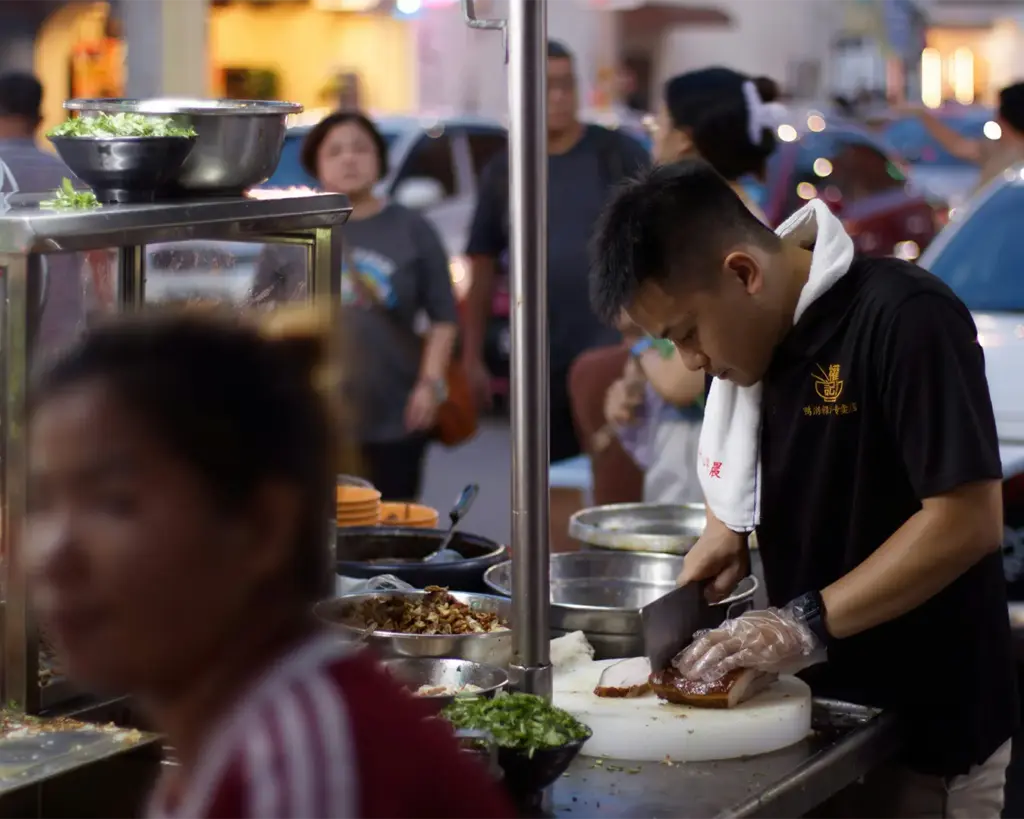
Singapore’s hawker centres are deeply woven into the city’s daily life, originating from the 19th-century street food scene where hawkers offered affordable meals to workers and families. As Singapore evolved into a multicultural urban context, these stalls became gathering points for diverse backgrounds to share favourite hawker food.
In the 1970s, the Singapore government organized the street food industry, opening the first hawker centre in 1971 to bring hawker stalls under one roof, creating clean, safe community dining rooms. Today, over 100 hawker centres serve as melting pots where classic dishes and innovative creations are enjoyed by locals and visitors.
Management and Iconic Centres
The National Environment Agency (NEA) manages these centres, ensuring hygiene and a welcoming environment. Iconic centres like Maxwell Food Centre—known for chicken rice, roti prata, and carrot cake—and Amoy Street Food Centre—famous for innovative dishes and lively atmosphere—highlight Singapore’s diverse hawker culture.
UNESCO Recognition and Cultural Significance
In 2020, Singapore’s hawker culture was inscribed on UNESCO’s Representative List of the Intangible Cultural Heritage of Humanity, recognizing its role in social cohesion and multiculturalism. Hawker centres remain integral to Singapore’s identity, offering affordable meals, classic dishes, and innovative flavours in a vibrant atmosphere reflecting this multicultural city-state. A meal at a hawker centre offers a delicious window into Singapore’s hawker culture.
The Digital Gold Rush: Foot Traffic and Economics at Singapore’s Hawker Centres
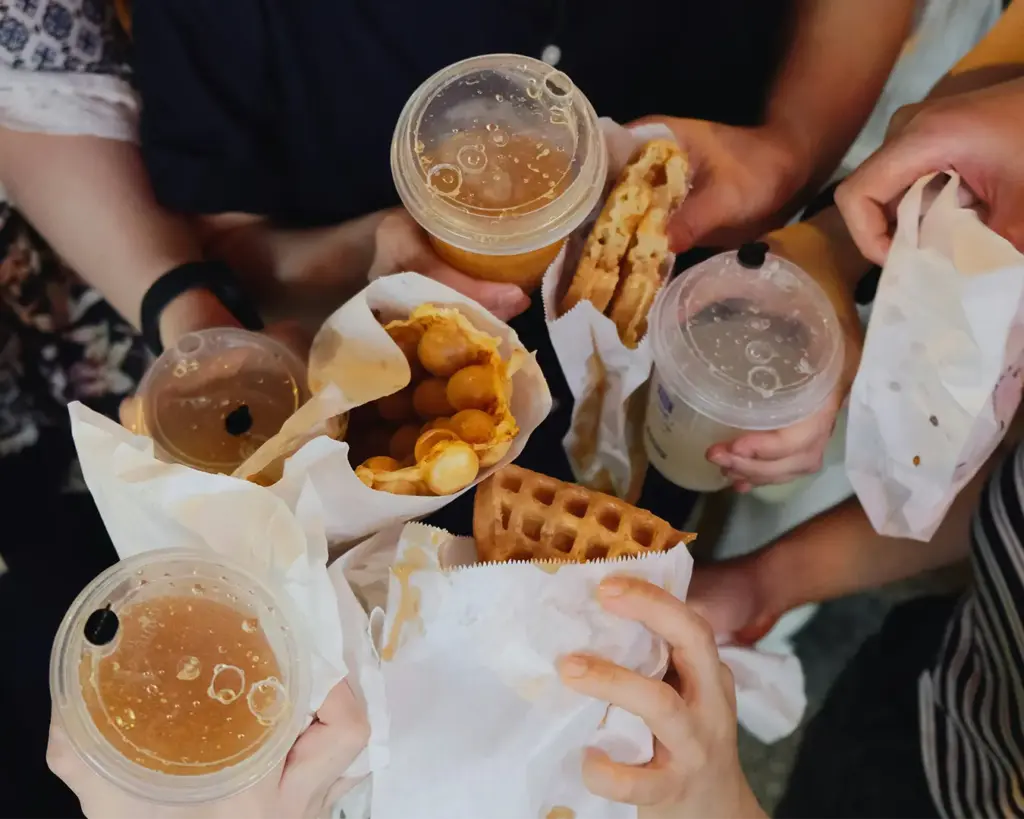
The primary argument for an ‘Instagrammable’ design is economic viability. A visually appealing space generates organic marketing on platforms like Instagram and TikTok, attracting crowds that might otherwise never visit. This digital word-of-mouth can transform a quiet food centre into a destination, drawing diverse communities eager to experience both the vibrant atmosphere and innovative dishes.
However, hawkers continue to face significant economic challenges. According to a 2020 National Environment Agency report, hawker stalls have been suffering from declining profit margins. In response to rising food costs, many stalls have resorted to shrinking portion sizes, which can affect customer satisfaction and long-term business sustainability. Additionally, food delivery platforms such as Grab charge high commission fees—sometimes up to 30%—further eating into hawkers’ earnings. At the height of the COVID-19 pandemic in 2020, hawkers lost up to 50% of their business, compounding these financial pressures.
A New Flow of Customers to Hawker Stalls
Social media fundamentally alters foot traffic. The crowd is no longer just local residents or office workers from the immediate vicinity. Instead, it becomes a city-wide, and sometimes international, audience seeking a specific visual and culinary experience. Hawker centres are evolving to reflect Singapore’s position as a global culinary destination, incorporating international cuisines and influences. This new demographic arrives with different expectations. They are often less price-sensitive but more experience-driven. They are here for the photo as much as for the food.
Newton Food Centre, for example, gained international attention after being featured in the film Crazy Rich Asians, highlighting the global recognition of Singapore’s hawker centres.
The economic impact on hawker stalls is complex and uneven. For some, the increased traffic is a lifeline.
Increased Sales: Higher foot traffic can lead to a direct increase in revenue, allowing stalls to sell out earlier.
Branding Opportunities: Stalls with unique concepts or photogenic plating can build a brand that transcends their physical location. Young hawkers, especially the next generation of urban hawker entrepreneurs, leverage this to build a following.
Higher Price Ceilings: A destination hawker centre can sometimes support slightly higher price points, helping stallholders cope with rising ingredient costs often reported by outlets like The Straits Times.
However, hawkers continue to face significant economic challenges. According to a 2020 National Environment Agency report, hawker stalls have been suffering from declining profit margins. In response to rising food costs, many stalls have resorted to shrinking portion sizes, which can affect customer satisfaction and long-term business sustainability. Additionally, food delivery platforms such as Grab charge high commission fees—sometimes up to 30%—further eating into hawkers’ earnings. At the height of the COVID-19 pandemic in 2020, hawkers lost up to 50% of their business, compounding these financial pressures.
Heritage vs. Hashtag: The Tension in Design of Singapore’s Hawker Centres and Culinary Practices
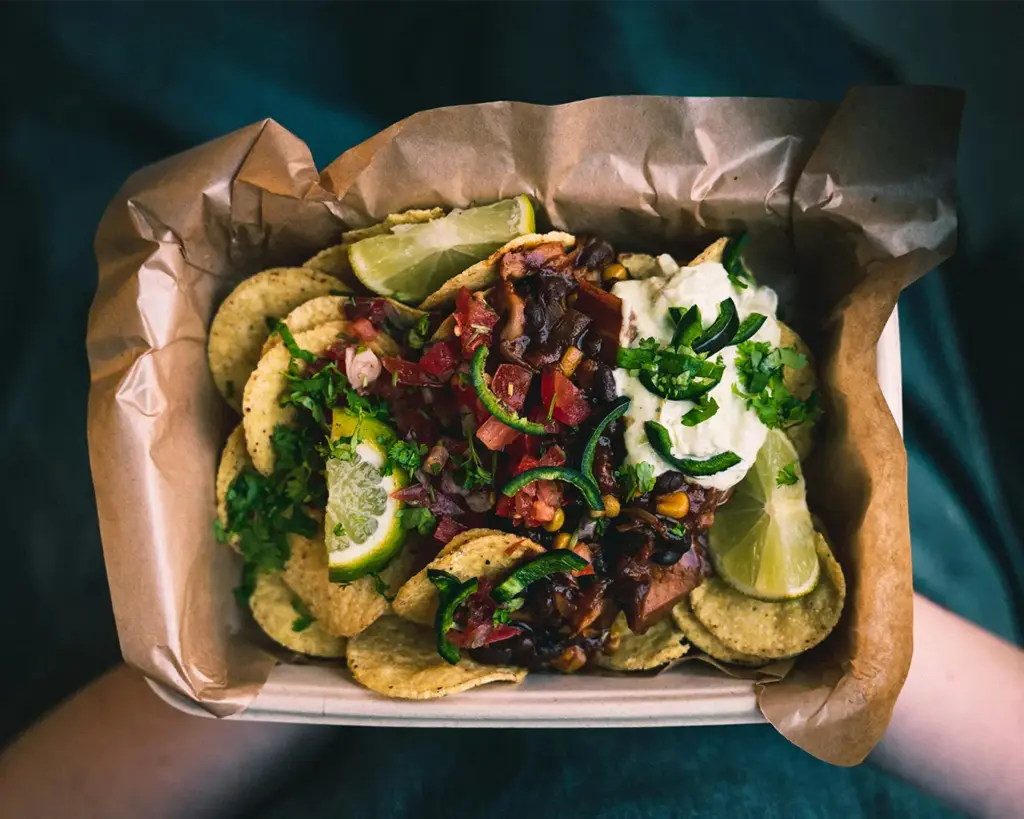
Singapore’s hawker culture, inscribed on UNESCO’s Representative List of the Intangible Cultural Heritage of Humanity, celebrates its role as community dining rooms and a reflection of our multicultural urban context. Singapore’s hawker centers are vibrant cultural institutions that showcase the city’s rich culinary heritage, while Singapore’s hawker tradition has deep historical roots and continues to evolve through current reforms and the rise of a new generation of hawkers. Singapore’s hawker culture is a vital part of the nation’s identity, recognized as an intangible cultural heritage and shaped by policies and initiatives to preserve and innovate this tradition.
Singapore’s street food culture has evolved from humble street stalls into the organized hawker centres we see today, serving as social spaces for diverse populations and fostering communal dining experiences. Hawker culture reflects Singapore’s multicultural identity, comprising Chinese, Malay, Indian, and other cultures. It is a living heritage, not a museum piece. The move towards ‘Instagrammable’ design introduces a tension between preserving this intangible cultural heritage and adapting to modern commercial realities.
The Aesthetics of Authenticity in Communal Dining and Culinary Creations
What does an “authentic” hawker centre look like? For decades, the answer was defined by function: simple ventilation, durable tables, and bright, utilitarian lighting. Its beauty was in its unpretentious efficiency and the community it fostered—vibrant communal spaces where diverse backgrounds gather to eat classic dishes and share chilli sauce and roti prata.
The new wave of design introduces elements foreign to this tradition:
Curated Decor: Neon signs, commissioned murals, and thematic furniture create a deliberate atmosphere.
Strategic Lighting: Warm, focused lighting replaces flat fluorescent tubes, designed to make hawker food look better on camera.
Plating and Presentation: Stallholders are pressured to consider how their food is presented, sometimes at the expense of speed or traditional serving methods.
Hawker vendors also have a long tradition of adapting dishes, modifying traditional recipes to suit local tastes and cultural influences. This process balances authenticity with innovation, ensuring that hawker food remains relevant and appealing to Singapore’s diverse communities.
Is a hawker centre with designer stools and art installations any less authentic? The answer depends on who you ask. For tourists and younger patrons, these elements can make the space more inviting and accessible. For long-time residents, including many hawkers among the oldest hawkers and second generation owners of family businesses, they can feel alienating—a space that prioritizes aesthetics over the familiar, functional chaos of a traditional food centre.
Singapore’s street food culture has evolved from humble street stalls into the organized hawker centres we see today, serving as social spaces for diverse populations and fostering communal dining experiences. Hawker culture reflects Singapore’s multicultural identity, comprising Chinese, Malay, Indian, and other cultures. It is a living heritage, not a museum piece. The move towards ‘Instagrammable’ design introduces a tension between preserving this intangible cultural heritage and adapting to modern commercial realities.
The Generational Divide in Singapore’s Hawker Culture and Training Programmes
This tension is also visible between hawkers themselves. New hawkers and aspiring hawkers often embrace the ‘Instagrammable’ trend. They understand that a strong visual identity is part of their business model. They design logos, invest in custom packaging, and actively manage their social media presence.
Veteran stallholders, on the other hand, may find these demands bewildering. Their reputation was built over decades on a single currency: the consistent quality of their hawker food and culinary practices rooted in local tastes. They are now being asked to compete on a new front, one that requires skills in marketing, photography, and branding. The fear is that this new paradigm will favour style over substance, leaving behind the masters of a craft who do not speak the language of hashtags.
The Singapore government and the National Environment Agency have introduced various measures to support hawkers, including the Incubation Stall Programme and training programmes designed to help younger family members and aspiring hawkers carry on the trade. These initiatives aim to preserve the essence of Singapore’s hawker culture while encouraging innovation and adaptation of dishes to evolving palates.
Navigating the Future of Hawker Culture in Singapore’s Food Centres and Community Dining
Embracing the Instagrammable Trend with Caution
The rise of the ‘Instagrammable’ hawker centre is not a trend that can be simply accepted or rejected. It is a market response to changing consumer behaviour and the pervasive influence of social media. The challenge lies not in stopping this evolution, but in guiding it. How do we embrace modernity without sacrificing the soul of our hawker culture in Singapore?
Preserving our UNESCO-listed hawker heritage requires more than just keeping stalls open. It demands a conscious effort by the Singapore government, hawkers, merchants associations, educational institutions, and the National Environment Agency to protect the principles that made it worthy of recognition in the first place: community dining, accessibility, and diversity.
A Balanced Conversation for the Future
The path forward requires a balanced conversation. Operators and designers must consider the long-term cultural impact of their choices, not just the short-term marketing gains. We, as consumers, have a role to play as well. We can choose to celebrate the quiet, unassuming stalls alongside the trendy ones. We can value flavour over filters and community over curation.
The future of Singapore’s hawker culture depends on our ability to see beyond the frame of a phone screen and appreciate the rich, complex reality of what a hawker centre truly is—a place where families gather, diverse communities embrace people from all walks of life, and the social fabric of this multicultural city state is woven under one roof.
Heritage and Innovation in Harmony
Singapore’s hawker culture remains an integral part of the city’s identity, a melting pot of culinary creations and social cohesion that continues to evolve with the next generation of hawkers, many of whom are innovating while respecting tradition.
It is a vibrant atmosphere where classic dishes like chicken rice, prepared with minced pork or served with signature chilli sauce, sit alongside new culinary inventions. This balance of heritage and innovation ensures that Singapore’s hawker centres will continue to be beloved spaces where Singaporeans eat, connect, and celebrate their shared food heritage.
To dive deeper into the world of Singapore’s hawker centres and discover more mouthwatering stories, visit sgfoodchronicles.com and join our community of food lovers.