
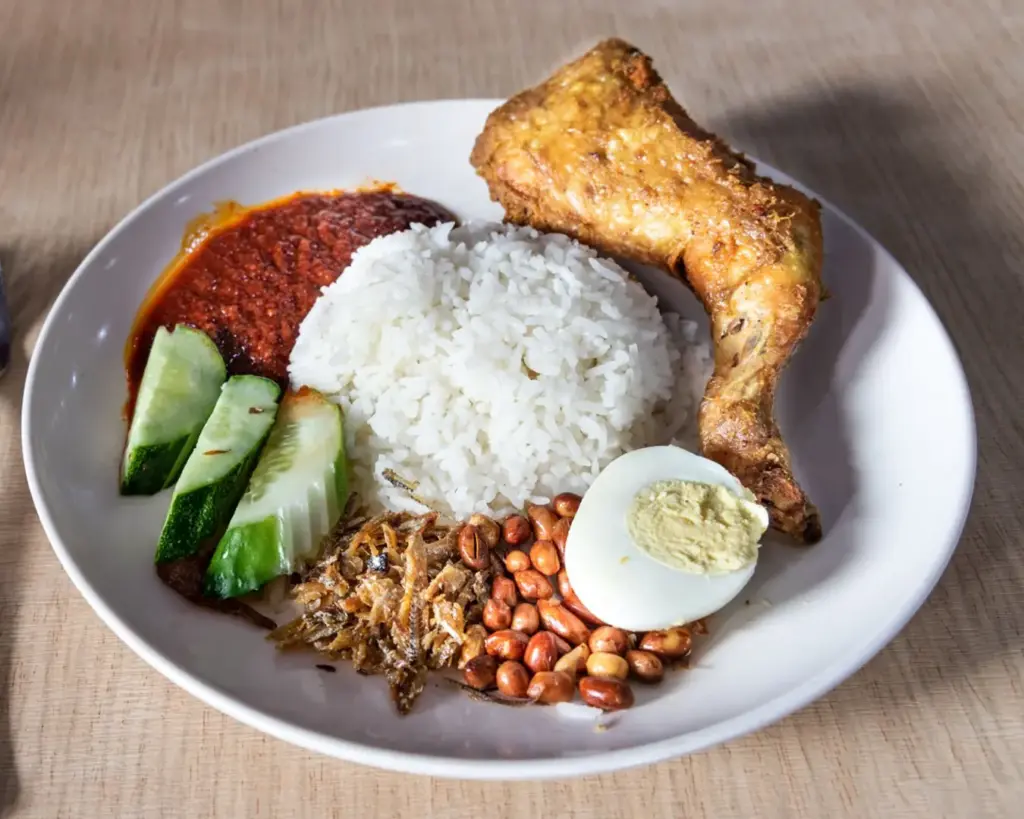
The queue at stall 02-14 forms before the sun fully clears the neighboring apartment blocks. At 6:30 in the morning, the air in the food centre is thick with the mingled scents of roasted coffee beans and damp floor tiles. Then comes the defining fragrance: the warm, pandan-laced steam of freshly scooped fragrant coconut rice cooked in rich coconut milk.
Mr. Lim stands third in line. He does not check his phone or look at the menu board faded by years of cooking grease. When he reaches the front, the exchange is mostly wordless. A slight nod, a raised hand, and the hawker, Madam Teo, begins assembling the plate. A mound of fluffy basmati rice, a fried egg with its edges crisp and lacy, a handful of fried peanuts and ikan bilis, a generous smear of deep red sambal, and a few slices of fresh cucumber, resting precisely on the side of the banana leaf. In the 1960s to 1980s, nasi lemak was traditionally sold as small, affordable packets wrapped in banana leaves, which imparted a subtle aroma and kept the meal warm. It is the exact same plate of nasi lemak he has ordered for twenty years, a beloved dish that has become part of his daily ritual.
This quiet, familiar choreography happens hundreds of times a morning across the island. Yet, to witness a regular patron receiving their daily order is to see something far more profound than a simple financial transaction. It is the unfolding of a living memory deeply rooted in Singapore’s hawker culture and culinary practices.
The Architecture of a Morning Routine: A Hearty Plate of Nasi Lemak
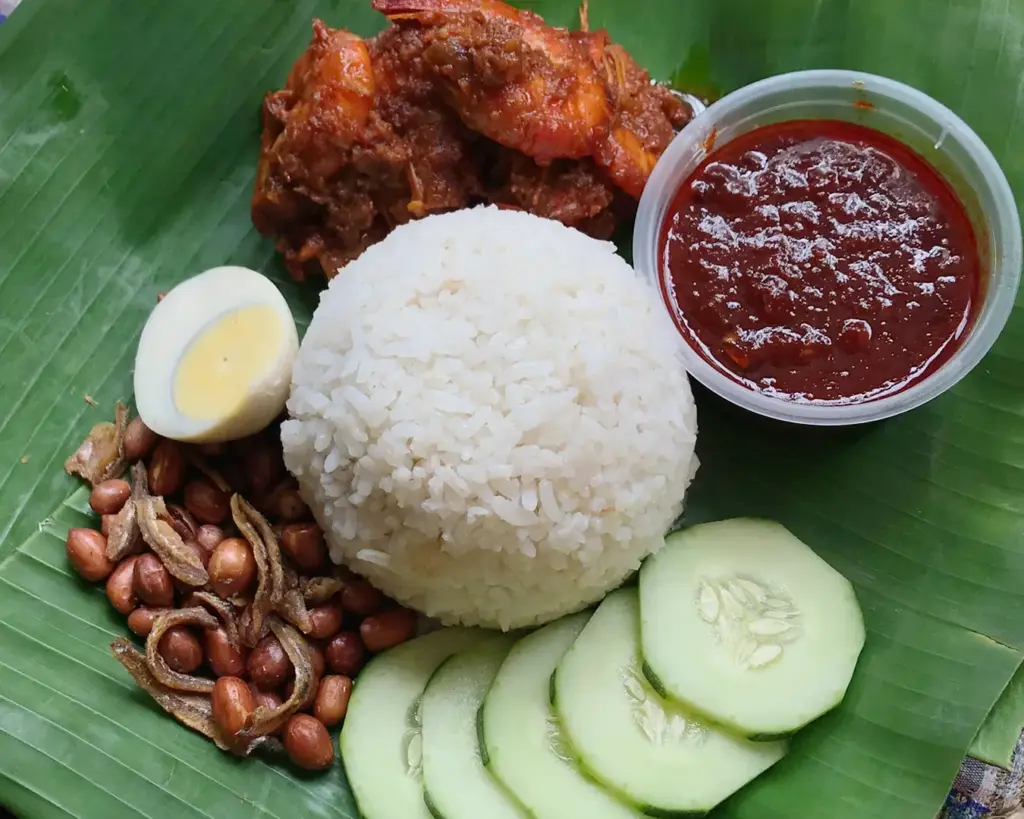
We often talk about food in terms of discovery; finding the newest cafe, tasting the most innovative fusion dish, or traveling for an unfamiliar flavor. But there is a different kind of culinary journey found in repetition. Returning to the same nasi lemak stalls for decades is a quiet anchoring practice. In a city where skylines shift and neighborhoods are constantly redeveloped, the taste of a traditional Singapore breakfast remains one of the few constants.
Eating the same nasi lemak Singapore has to offer, year after year, turns a meal into personal history. The flavors become a measuring stick for time. Mr. Lim remembers when the dish cost only a dollar and fifty cents. He remembers when Madam Teo’s husband was the one frying the chicken wings, before his knees gave out and he had to step away from the heavy wok. He remembers mornings eating this rice before his children were born, and mornings bringing them here in their school uniforms.
Through these evolving seasons, the food itself has served as a sturdy bridge between past and present. These food rituals Singapore residents practice are not born of a lack of imagination. They are a deliberate choice to seek comfort, predictability, and a sense of belonging in a rapidly changing multicultural urban context.
A Quiet Pact Between Hawker and Patron: The Intangible Cultural Heritage of Hawker Centres
The foundation of Singapore hawker culture is often celebrated for its affordability and diversity. Yet, at its most elemental level, it is sustained by trust.
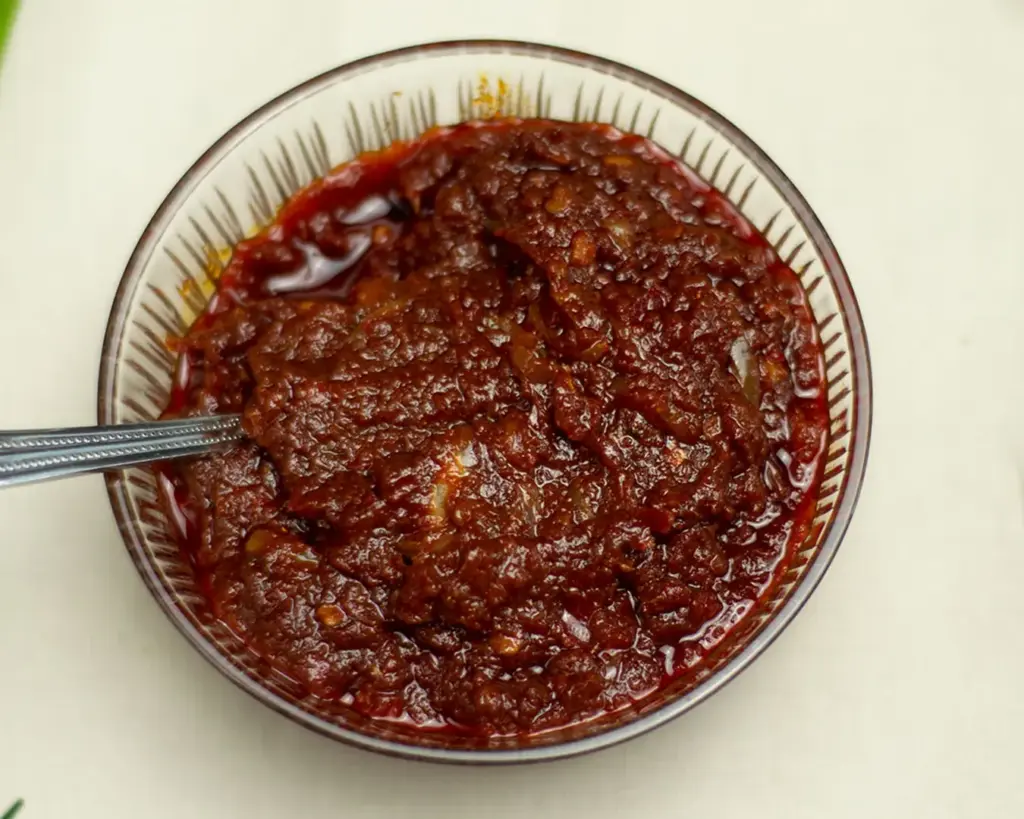
When you eat the same meal for two decades, you are trusting another person to uphold a standard that your memory has already locked into place. You expect the sambal to have the identical balance of dried chili heat and sweet onion jam. You expect the coconut rice to be rich with coconut milk but never heavy. Maintaining this consistency is an invisible, backbreaking labor. It requires waking up at three in the morning to soak rice, blend spices, and stand over roaring fires while the rest of the city sleeps.
For the hawkers, regulars like Mr. Lim are more than just a reliable source of revenue. They are the pulse of the stall. Their presence dictates the rhythm of the morning.
A shared history: Regulars carry the institutional memory of the stall, remembering menu items long gone and milestones shared over the counter.
Economic resilience: The steady, predictable income from long-term patrons provides a financial buffer against fluctuating ingredient costs and rising rents.
Emotional validation: Seeing the same faces return daily is a silent affirmation of a hawker’s life’s work.
The Weight of Consistency in Serving the Best Nasi Lemak
There is a distinct vulnerability in this relationship. When ingredient prices surge, hawkers face an agonizing choice. Do they substitute the fragrant basmati rice for a cheaper grain? Do they thin out the coconut milk? Or do they raise prices by twenty cents and risk the quiet disappointment of the uncles and aunties who count every coin?
Usually, they choose to absorb the cost for as long as they can. The loyalty flows both ways. The regulars, in turn, understand when prices inevitably creep up. They pay the three dollars and fifty cents without complaint, knowing the unseen labor poured into the sambal and the perfectly cooked fried chicken wing or ayam goreng berempah.
Multicultural Influences and Diversity: The Many Faces of Nasi Lemak
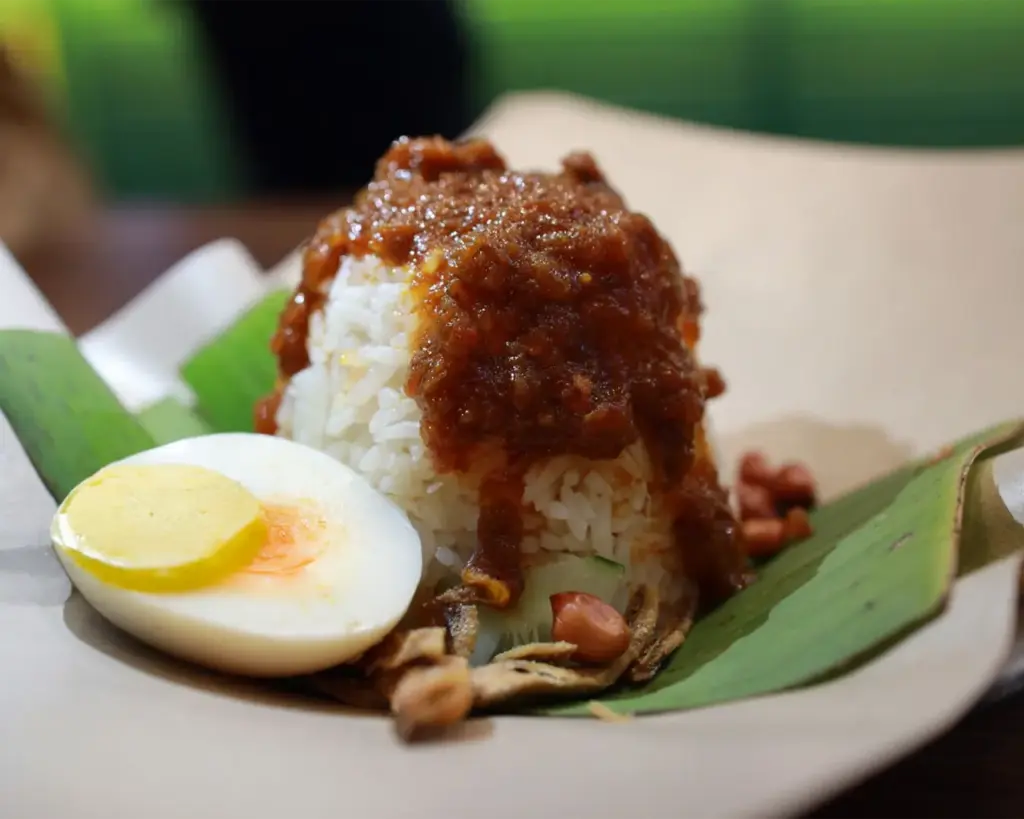
Nasi lemak is a true reflection of Singapore’s multicultural society, evolving through the influences of its Malay, Chinese, and Indian communities. The Malay roots of nasi lemak ayam shine through in the use of aromatic spices and coconut milk, resulting in fried chicken that is both tender and flavorful.
Chinese hawkers have added their own touches, pairing the signature nasi lemak with fried egg and crispy ikan bilis, creating a harmonious blend of textures and tastes. Indian influences can be found in the subtle use of curry leaves and mustard seeds, adding depth and complexity to the dish.
This ongoing cultural exchange has given rise to countless variations, from the classic to the contemporary. Modern eateries like The Coconut Club and Wild Coco have elevated the humble nasi lemak, offering signature versions that combine tradition with innovation. Whether it’s a plate of nasi lemak ayam with perfectly cooked chicken or a creative twist featuring new ingredients, each version is a testament to the dish’s versatility and its role as a culinary ambassador for Singapore’s multicultural spirit.
Ritual as Resistance: Preserving Famous Nasi Lemak Stalls Like Dickson Nasi Lemak and Aliff Nasi Lemak
In this context, continuing to show up at your neighborhood stall is an act of quiet resistance. It pushes back against the anonymity of modern urban living. When you buy from a hawker who knows you prefer your fried egg slightly runny or your chicken wing marinated overnight and deep fried to crispy perfection, you are no longer just a consumer on an app. You are a neighbor. You are participating in the living, breathing ecosystem of Singapore’s hawker culture.
Long-term patronage acts as a stabilizing force. It tells the aging hawker that their craft still matters. It signals to younger, incoming hawkers that there is value—and a loyal audience—in preserving traditional methods, rather than just chasing fleeting social media trends.
Nasi Lemak and Culinary Innovation: Tradition Meets the Modern Palate
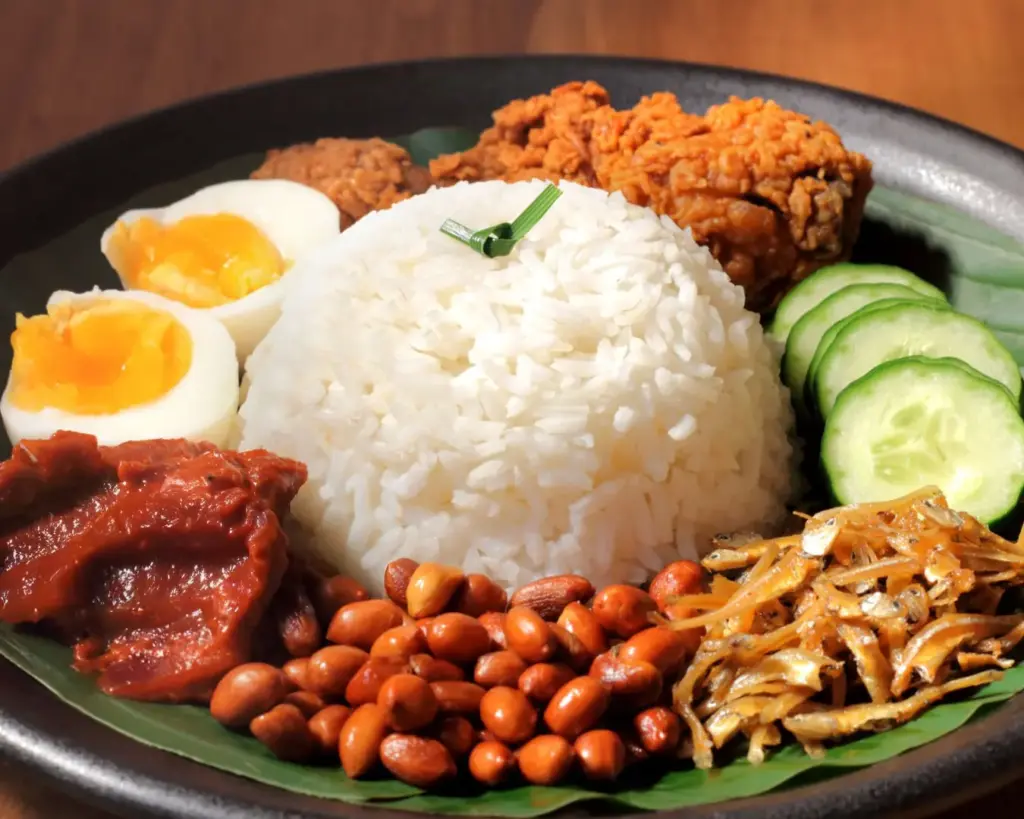
As Singapore’s food scene continues to evolve, nasi lemak has embraced innovation while staying true to its roots. Today, you’ll find stalls and restaurants experimenting with everything from crispy skin fried chicken to aromatic chicken infused with lemongrass and coconut milk. The use of premium ingredients like fluffy basmati rice and freshly pressed coconut milk has elevated the dish, making each bite a luxurious experience.
At places like Dickson Nasi Lemak and Aliff Nasi Lemak, the menu goes beyond the classic, offering mutton rendang, signature chicken cutlets, and even beef rendang as hearty accompaniments. These modern interpretations bring new textures and flavors to the table—think crispy, well-marinated chicken, tender meat cooked to perfection, and sambal with just the right balance of heat and sweetness.
This spirit of culinary creativity ensures that nasi lemak remains relevant and exciting, drawing in both loyal regulars and adventurous newcomers eager to discover the best nasi lemak Singapore has to offer.
The Evolution of Our Shared Tables: From The Coconut Club to Lawa Bintang
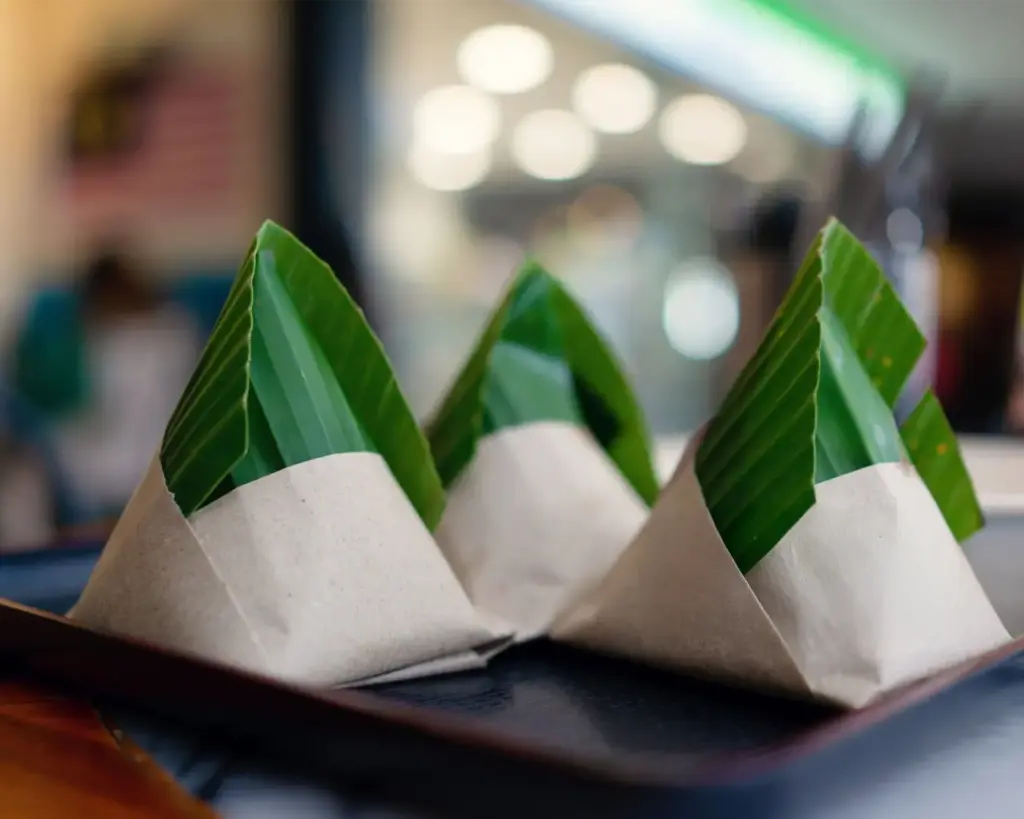
Eventually, Mr. Lim finishes his rice. He folds the slightly oil-stained brown paper and banana leaf into a neat square, leaves it on the tray, and walks out into the morning heat. He will likely be back tomorrow, standing in the same line, waiting for the same nod.
We all have our versions of this nasi lemak stall. Perhaps it is a particular auntie’s mee siam or mee rebus, or a drinks stall uncle who starts making your kopi-o-kosong the moment he spots you walking toward the pavilion. These small, daily interactions weave the social fabric of our neighborhoods—from humble stalls in Jurong West and Serangoon Garden Market to popular spots like So Lemak and Wild Coco, and the renowned Boon Lay Power Nasi Lemak, famous for its well-marinated chicken wings and use of fresh ingredients.
There’s also the Muslim owned eatery at Amoy Street Food Centre, the Michelin-recognized Coconut Club on Beach Road, and the upscale Lawa Bintang known for its lobster nasi lemak. Nasi Lemak Ayam Taliwang, which originated at Yishun Park Hawker Centre, stands out for its unique Indonesian twist—grilled chicken marinated in fresh chili, shallots, and belacan. Husk Nasi Lemak at Bugis Cube offers fusion dishes such as Mentaiko Chicken Cutlet Nasi Lemak, blending traditional elements with modern flavors.
Singapore offers a diverse range of authentic nasi lemak, from humble stalls to premium restaurants, and nasi lemak is recognized as a national dish in both Malaysia and Singapore, celebrated in everything from high-end food festivals to novelty items. Chinese-style nasi lemak often includes non-traditional sides like luncheon meat and fish cakes, and some stalls highlight the absence of pork or lard to cater to dietary preferences. Popular menu options at various stalls include signature chicken cutlet, chicken set, chicken wing set, and curry chicken, all prepared with an emphasis on fresh ingredients.
Take a moment to consider the food rituals that anchor your own week. Which flavors trace the outline of your life? If you have a stall you have visited for years, tell the hawkers you appreciate them. Show up for them, not just when they go viral, but on an ordinary Tuesday morning. Our hawker heritage is not preserved in museums or heritage plaques. It is preserved on our plates, one quiet, familiar meal at a time.
Conclusion
Nasi lemak stands as a delicious symbol of Singapore’s culinary identity, blending fragrant coconut rice, crispy fried chicken, and spicy sambal into a dish that is both comforting and exciting. Its enduring popularity across generations and communities speaks to its role as a beloved dish that transcends trends. From humble hawker stalls to celebrated restaurants, nasi lemak continues to evolve, reflecting the innovative spirit and multicultural heritage that define Singaporean cuisine.
The recognition of hawker culture as intangible cultural heritage by UNESCO underscores the importance of dishes like nasi lemak in shaping the nation’s food landscape. Whether you’re savoring a plate at your favorite stall or exploring new interpretations, nasi lemak invites you to experience the heart and soul of Singapore—one hearty, fragrant, and crispy bite at a time.