We often associate great culinary experiences with long ingredient lists and elaborate plating. Yet, the most memorable meals in Singapore rarely rely on complexity. They thrive on restraint.
When you strip away the excess, you uncover the true essence of our food culture. In a city packed with modern fine dining, our strongest cravings still pull us toward the humble hawker stalls.
This happens because simplicity in food is not a lack of imagination; it is the ultimate display of culinary mastery.
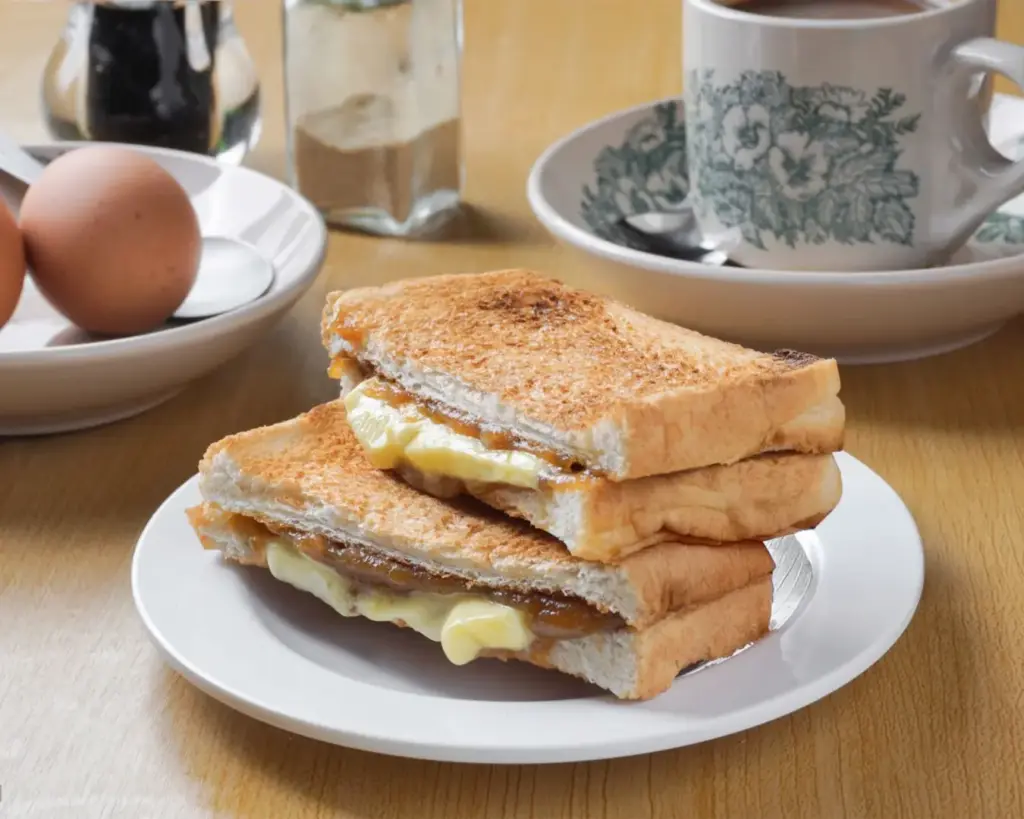
Consider a traditional breakfast of kaya toast. It requires only bread, coconut jam, and a thick slab of cold butter. But achieving the perfect shatter of toasted bread against the rich, sweet spread takes deep precision. The same principle applies to a bowl of fishball noodles. Without heavy, complex sauces to hide behind, the bouncy texture of the fishball and the springiness of the noodle must be flawless. Even a plate of Hainanese chicken rice depends entirely on the delicate, unmasked balance of ginger, garlic, and chicken fat infused into the grains.
These dishes demand absolute accuracy. Hawkers spend decades refining a single recipe, passing down their cultural heritage through quiet, repetitive dedication.
Beyond technique, these unadorned meals hold a profound emotional resonance. They anchor us to our shared history. When we eat a perfectly balanced plate of chicken rice, we taste the story of migration and the resilience of the people who built our local food scene.
The beauty of these everyday meals lies in their absolute honesty. They offer comfort without pretense.