
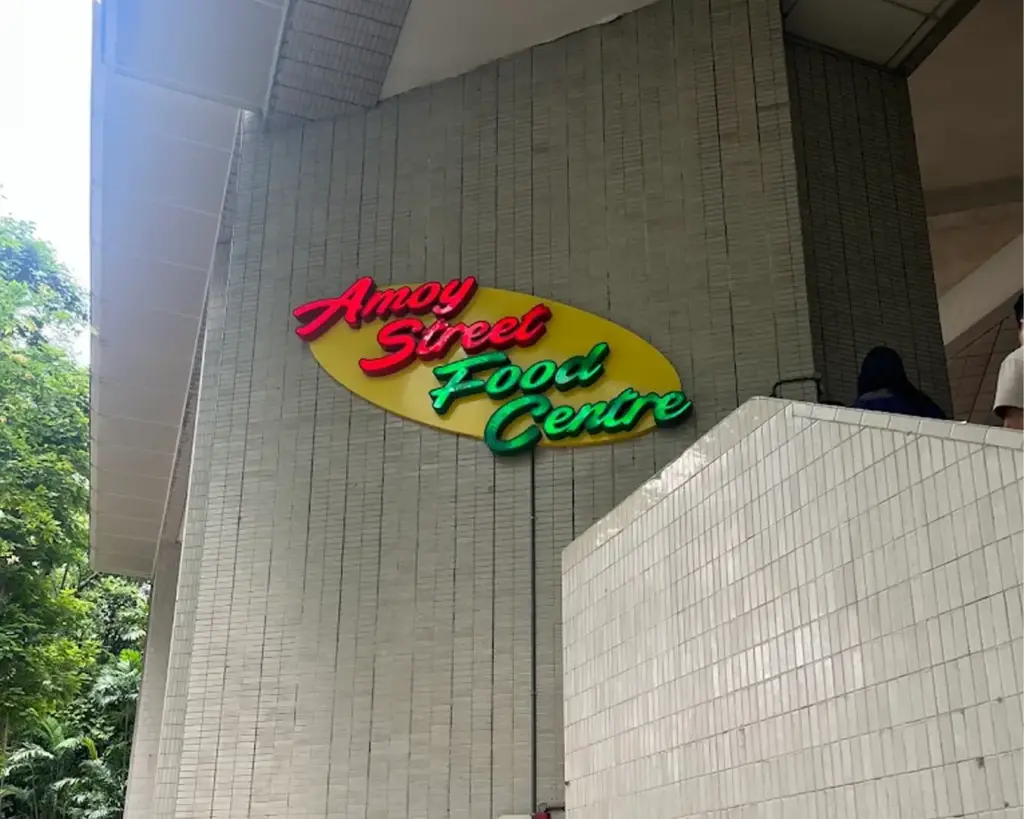
The midday heat at Amoy Street Food Centre, located in Singapore’s central business district at 7 Maxwell Road, blankets the two-story hawker centre in a humid embrace. By 12:15 PM, the food centre buzzes with energy as office workers and locals queue shoulder-to-shoulder. The air is thick with the scent of soy sauce, black vinegar, toasted chili paste, and pork fat, rising from steaming pots.
I head to Stall 32 on the second floor, a ritual I’ve followed every Tuesday for 28 years. The elderly hawker behind the glass doesn’t ask my order; a nod and a practiced motion begin the preparation of my favorite fishball noodles, a dish that has remained unchanged since 1996. Join me at sgfoodchronicles.com, where the sizzle of woks, the aroma of spices, and the stories behind every dish come alive.The Vibrant Pulse of Amoy Street Food Centre
Amoy Street Food Centre is one of Singapore’s most prominent street food centres, housing over 100 food stalls that blend traditional dishes with modern fusion options. Most stalls operate Monday to Saturday, 6:30 AM to 9 PM, and Sunday until 6 PM, though many close on weekend nights. While some accept digital payments, cash remains preferred.
The lunch rush, typically between noon and 2 PM, brings long queues and crowded seating. To avoid this, visiting before 12 PM is ideal. The lively, communal vibe attracts working professionals from the CBD and tourists alike, making it a vibrant social hub.The Timeless Fishball Noodle at Stall 32
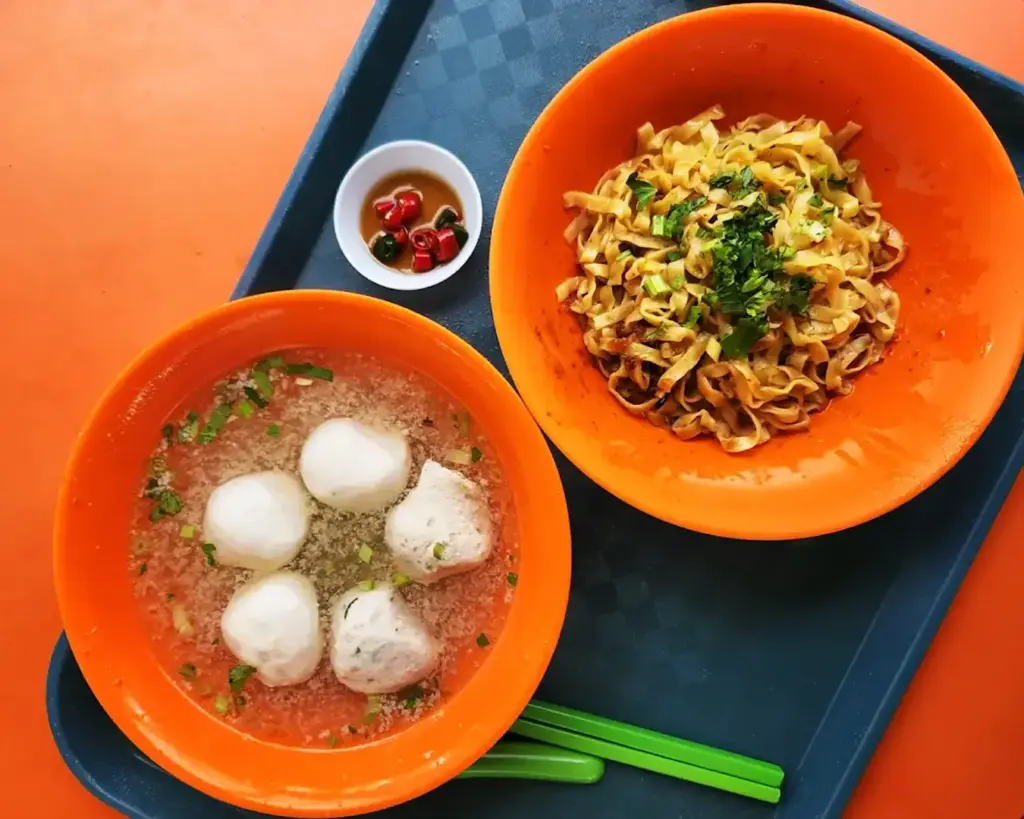
The fishball noodle soup here is a masterclass in balance. Flat mee pok noodles are tossed in a glossy mix of soy sauce, black vinegar, and fiery sambal, topped with crispy pork lard. The clear fishball soup, served separately, contains springy fish balls made from fresh yellowtail, slices of fish cake, and minced meat. This classic dish embodies the authentic flavors of Singapore’s hawker culture.
Other noodle varieties at Amoy Street Food Centre include beef hor fun and noodle soups topped with beef balls, alongside dishes like Wanton Mee and kolo mee, reflecting the diversity of Singapore’s hawker centers. The hawker’s memory for each customer’s preferences—more vinegar, extra chili—turns a routine meal into a personalized experience, underscoring the deep connection between hawker and patron.A Rich History Behind the Hawker Centre
This attention to detail and dedication to tradition is a hallmark of many stalls within Amoy Street Food Centre. The centre itself has a rich history, having been constructed in 1983 by the Housing and Development Board (HDB) at a cost of S$5.83 million. It was part of Singapore’s broader cleanliness drive in the 1970s and 80s, which sought to relocate itinerant street hawkers from the streets into regulated food centres. The area where Amoy Street Food Centre now stands was once a bustling site for street hawkers in the 1950s, making the centre a significant landmark in the evolution of Singapore’s street food culture.
Over the years, Amoy Street Food Centre has undergone several renovations, including a notable S$2.8 million upgrade in 2003 to modernize its facilities and maintain a clean, pleasant dining environment. Despite these changes, the centre has retained its vibrant, communal atmosphere that draws working professionals from the central business district as well as tourists seeking authentic local flavors.
Visitors to Amoy Street Food Centre will find a wide variety of cuisines beyond traditional hawker fare. For example, stalls like James’ Quesadilla and Brunch offer Mexican-inspired dishes such as burritos and quesadillas, while Mad Roaster serves artisanal coffee and pastries including honey butter lattes and kaya toast. Meanwhile, traditional favourites like Han Kee Fish Soup, known for its generous sliced fish soup and fish balls, and J2 Famous Crispy Curry Puff, a Michelin Bib Gourmand stall celebrated for its flaky crust and generous fillings, continue to maintain loyal followings.
A Hub of Culinary Diversity
The centre’s location at 7 Maxwell Road places it conveniently within the central business district, making it a popular lunch destination. Operating hours are generally Monday to Saturday from 6:30 AM to 9 PM, and Sundays until 6 PM, though many stalls close during weekend nights. To avoid the busiest periods and long queues, it is advisable to visit before noon, especially during weekdays.
Amoy Street Food Centre is more than just a place to eat; it is a cultural hub that embodies Singapore’s hawker heritage. The mix of old and new stalls, the bustling atmosphere, and the dedication of hawkers to their craft create a unique dining experience that resonates with locals and visitors alike. In addition to the culinary delights, the centre’s cleanliness and organization stand out compared to many other street food centres, reflecting Singapore’s commitment to food safety and hygiene. This balance of tradition and modernity, authenticity and innovation, is what makes Amoy Street Food Centre a must-visit destination for anyone wanting to experience the best of Singapore’s hawker culture.Trust and Tradition in Singapore’s Hawker Centres
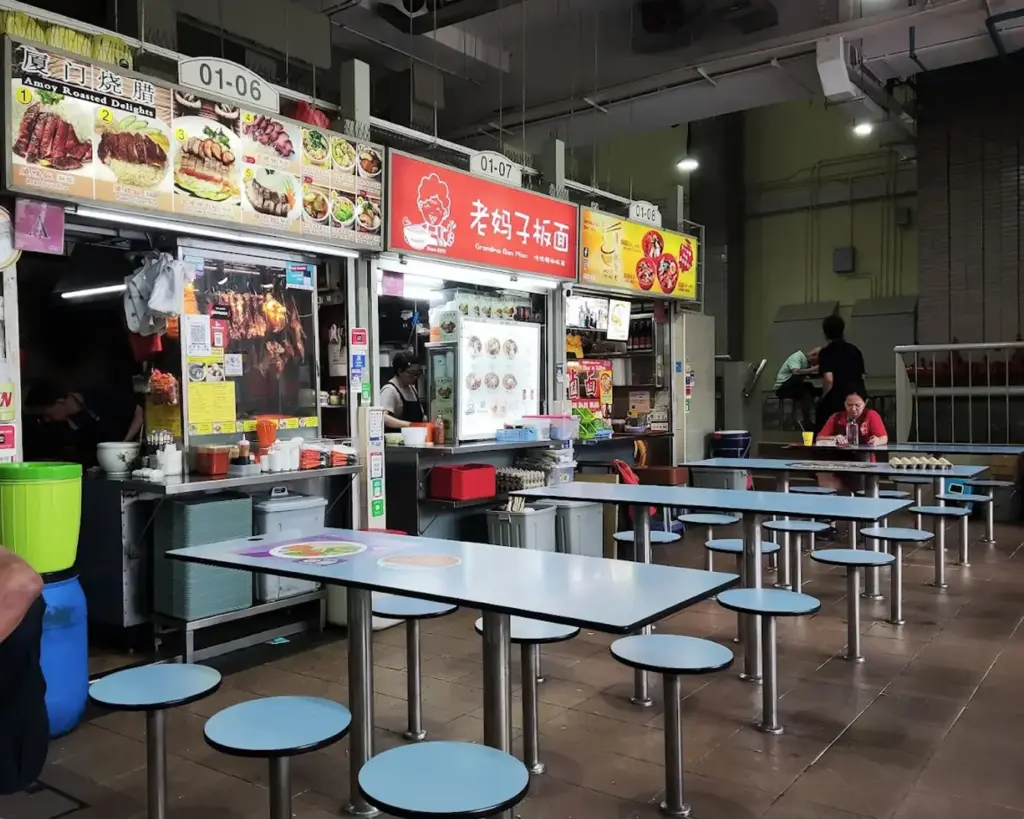
The auntie at Stall 32 has dedicated decades to perfecting her craft, enduring long hours behind the counter. Regular customers sustain these hawker stalls, providing the financial support and loyalty necessary to preserve traditional recipes amid rising costs and urban change.
Hawker culture, recognized by UNESCO as intangible cultural heritage, thrives on this trust and community engagement. Patrons not only enjoy local foods but actively participate in safeguarding culinary heritage.Amoy Street Food Centre: A Blend of Old and New
While Stall 32 remains a steadfast anchor, Amoy Street Food Centre has evolved. Modern stalls like Big Bowls Project offer healthy grain bowls featuring mentaiko salmon bowls and salmon rice with truffle oil accents. James’ Quesadilla and Brunch introduces Mexican flavors with burritos and quesadillas, while Mad Roaster delights with artisanal coffee, honey butter lattes, kaya toast, and pastries like chocolate babka and honey butter scones.
Traditional favorites coexist with contemporary stalls: Han Kee Fish Soup is famed for its sliced fish soup and generous fish balls, Pepper Bowl offers black pepper beef rice and spring onion pork rice, and J2 Famous Crispy Curry Puff serves flaky curry puffs with generous fillings like curry potato and black pepper chicken. These stalls contribute to the rich tapestry of Amoy Street Food.Other Notable Food Stalls at Amoy Street Food Centre
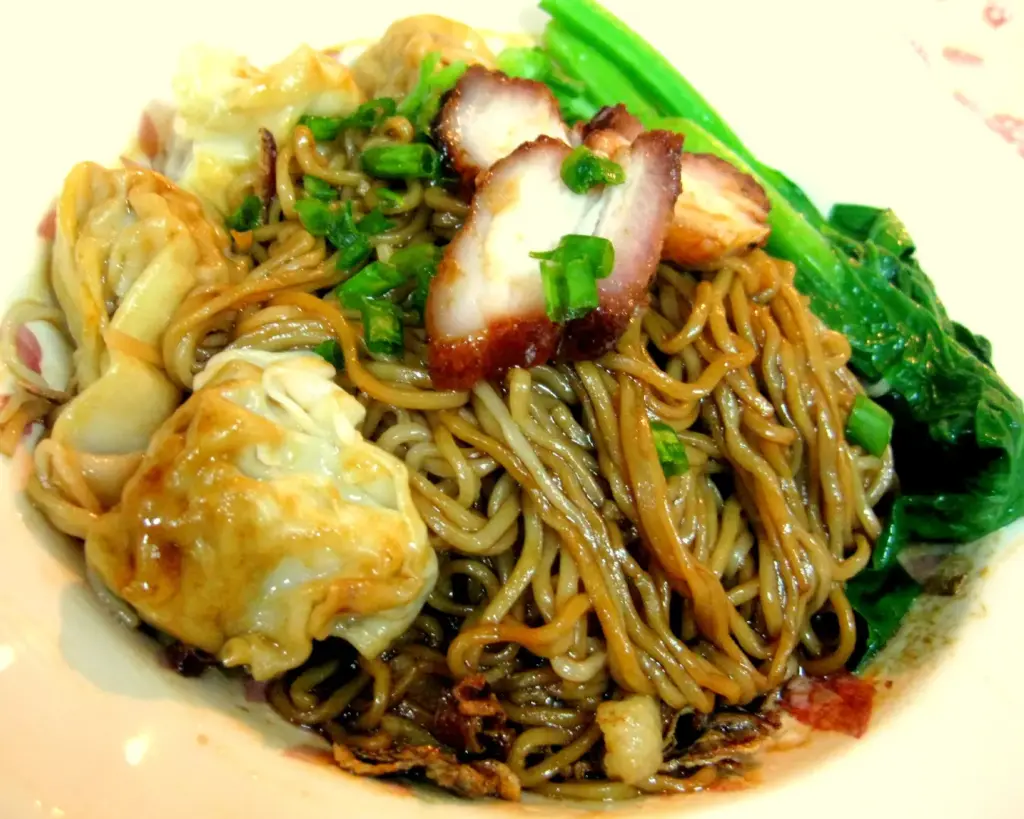
- Swan City Noodle House brings Sarawakian kampua noodles and kolo mee to the centre, known for lighter sauces and springy noodles.
- Ah Ter Teochew Fishball Noodles serves authentic Teochew fishball noodles with handmade fish balls, minced meat, and clear broth.
- Good Day offers beef hor fun with tender beef and wok hei flavor.
- Han Kee Fish Soup is a favorite for its delicate sliced fish soup and fishball soup.
- Coffee Break provides inventive coffee and tea drinks alongside unique toasts.
- Lian Hup Heng specializes in traditional Chinese doughnuts, carrot cake, and other local snacks.
Amoy Street Food Centre in the Context of Singapore’s Hawker Scene
Amoy Street Food Centre shares the spotlight with other iconic hawker centres such as Maxwell Food Centre, Chinatown Complex Food Centre, Lau Pa Sat, Newton Food Centre, and Airport Road Food Centre. Each offers a unique array of local foods, from chicken rice and roti prata to chilli crab and Terry Katong Laksa.
These food centres collectively showcase Singapore’s hawker heritage, balancing affordable prices with culinary excellence. Many stalls boast Michelin Bib Gourmand awards, and some, like A Noodle Story, have earned Michelin star recognition for innovative dishes like Singapore style ramen.
The Role of Hawker Centres in Singapore’s Food Culture
Beyond sustenance, hawker centres are cultural landmarks and social spaces where diverse communities converge. They preserve recipes passed down through generations and foster connections between hawkers and patrons.
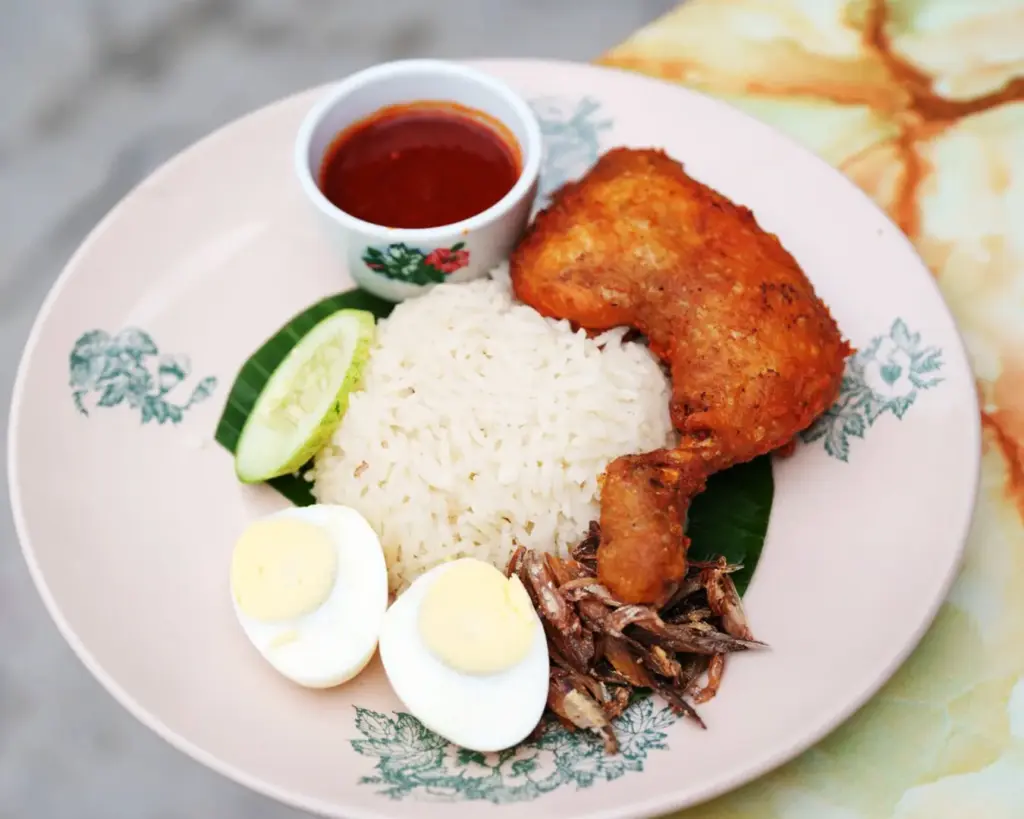
The simple act of sharing a meal—be it fishball noodles, nasi lemak, or curry puff—at places like Amoy Street Food Centre is a celebration of Singapore’s rich street food culture.A Call to Support and Preserve
As urban landscapes shift and fine dining options grow, the importance of supporting hawker stalls—especially first hawker stalls and legacy vendors—cannot be overstated. By choosing to dine at these food stalls, patrons help maintain the vibrancy and authenticity of Singapore’s hawker centres.
Next time you visit Amoy Street Food Centre, Maxwell Food Centre, or Chinatown Complex Food Centre, seek out your favorite stall, savor the flavors, and be part of a living tradition that continues to define Singapore’s culinary identity.