
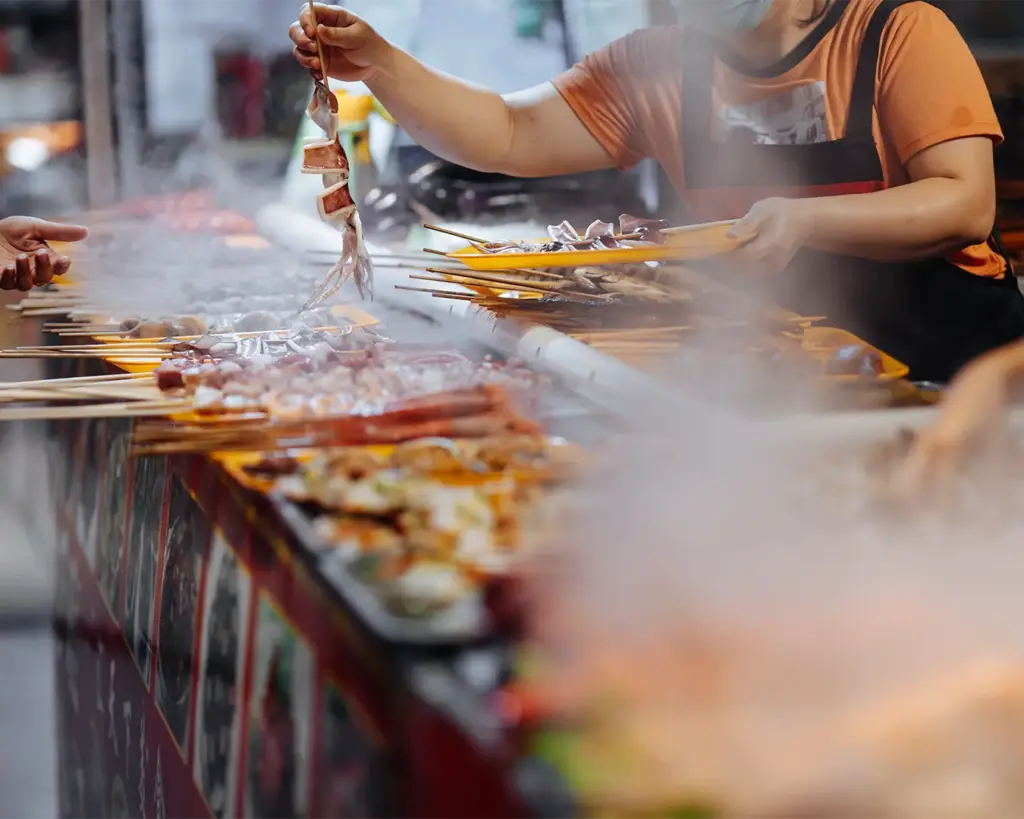
It is exactly 12:07 pm in Toa Payoh Lorong 8, and the temperature inside the hawker centre has shifted from pleasantly warm to stifling and humid. The midday sun beats down on the corrugated roof, but the real heat comes from massive woks roaring to life, breathing out plumes of seasoned smoke. The rhythmic thwack of a heavy cleaver against a wooden chopping block cuts through the low hum of hundreds of overlapping conversations.
At the tables, the daily choreography of the Singapore lunch crowd is in full swing. Packets of tissue paper land on empty plastic tables with practiced precision, marking territory before the owners join the queues. Many hawker stalls accept cash as the preferred payment method, so diners should be prepared with small bills, though some now accept digital payments. The sharp tang of sambal belacan frying mixes with the herbal steam rising from a row of soup pots.
To understand a public housing estate’s identity, simply sit at a corner table between noon and two in the afternoon. During this window, the hawker centre transforms into a living map of the neighborhood, revealing its social fabric, economic realities, and cultural continuity. A meal at a hawker centre typically costs between S$3 and S$8.
For more fascinating insights and stories about Singapore’s rich food heritage, be sure to visit SG Food Chronicles, where the vibrant world of Singapore hawker centre culture comes alive through engaging articles, guides, and personal experiences.
The Weekday Lunch Crowd as Social Data in Singapore's Hawker Centres
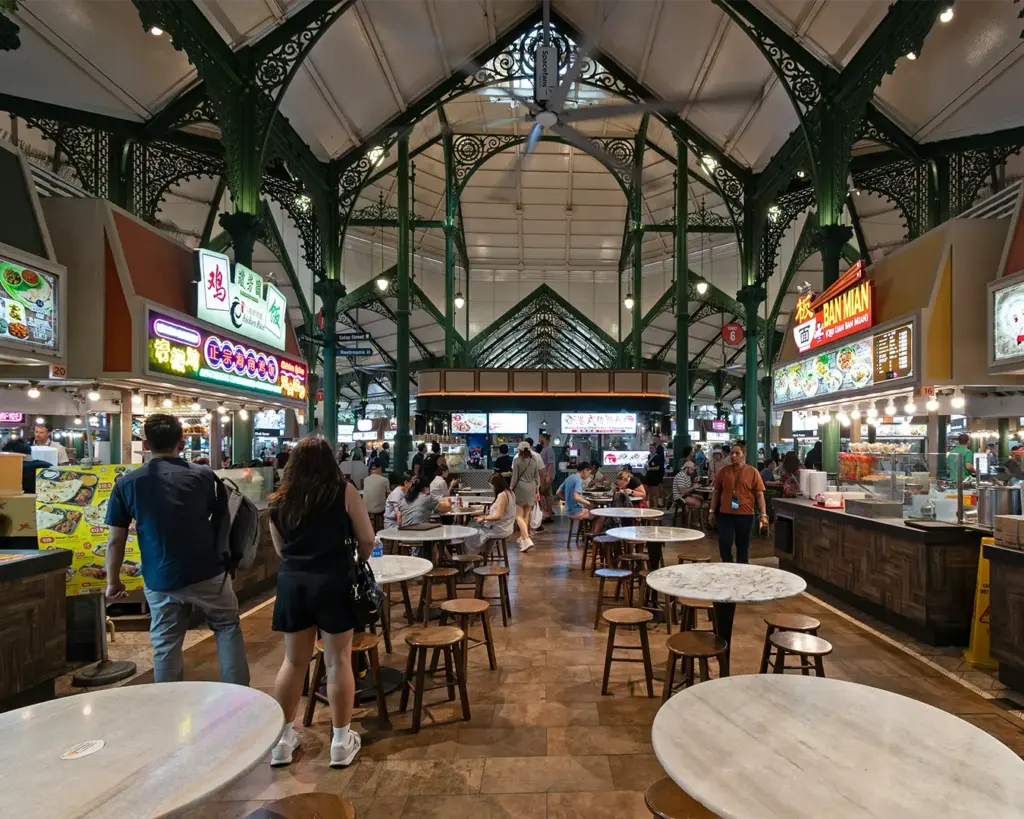
A Singapore hawker centre is often described as a great equalizer, but it is also a masterful display of social data. As the clock pushes past noon, the demographic waves arrive in predictable, overlapping tides.
The first to secure their seats are usually the neighborhood retirees. They arrive before the rush, nursing a secondary cup of kopi and sharing plates of soft carrot cake, a beloved favourite hawker food. Their presence speaks to the long-term memory of the estate. They are the ones who remember when the fishball noodle uncle first set up shop three decades ago.
By 12:15 pm, the landscape changes violently. The office workers descend. Lanyards swinging from their necks, they march in from the nearby industrial parks and commercial blocks. They bring a different energy—urgent, efficient, and bounded by the strict one-hour lunch limit. Then come the students in uniform, pooling their loose change for a shared bowl of ice kacang, followed by the delivery riders in their bright green and pink shirts, helmet visors flipped up as they wait for their pickup orders.
Observing these groups interact reveals the subtle politics of table-sharing. A junior executive in a crisp button-down shirt politely asks an elderly auntie if the seat opposite her is taken. She nods, sliding her umbrella closer to her bowl. For the next twenty minutes, they eat in shared silence, separated by a few inches of plastic and a generational divide, yet united by the physical space of Singapore’s hawker centre culture.
Generational Food Choices and the Economics of Lunch: Affordable Meals and Culinary Practices
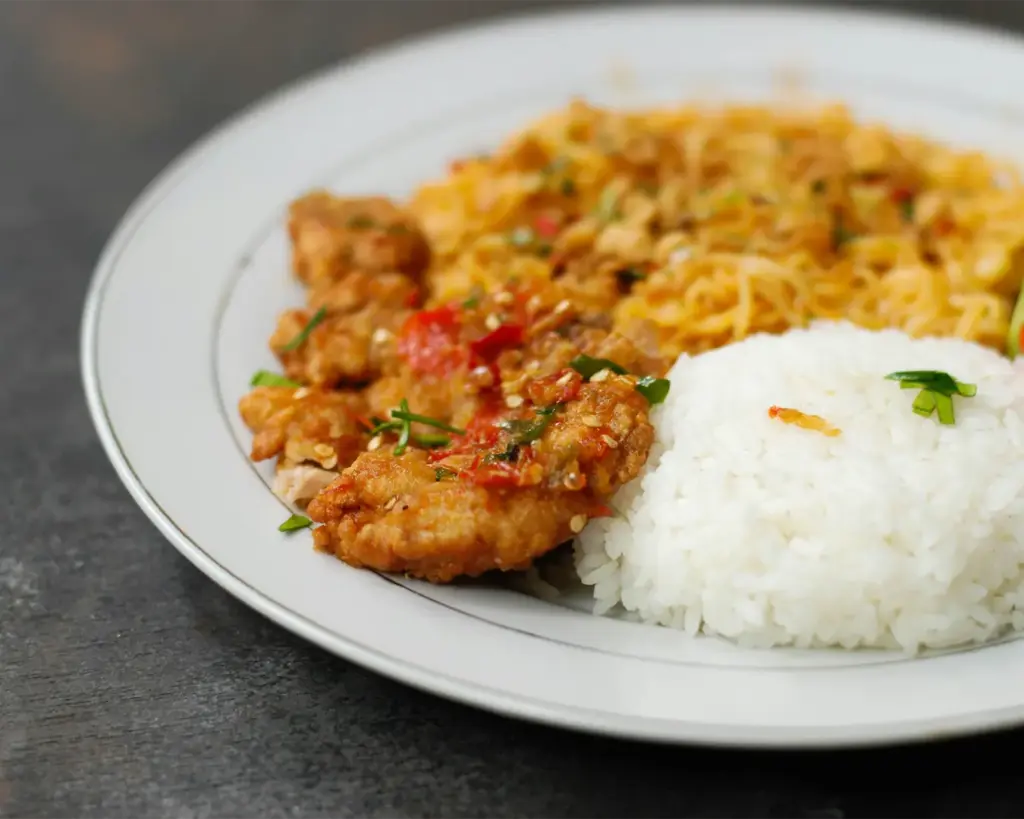
What people choose to eat during this hour tells a story of both preference and economic reality. Look closely at the queues, and you will notice distinct generational food choices playing out across the aisles.
The Caifan Queue and Economic Shifts in Hawker Food
The longest line is almost always at the economic rice, or caifan, stall. This queue is a perfect microcosm of the neighborhood’s working class. The choices made behind the glass display—whether to point at the steamed pomfret or settle for the stir-fried cabbage and steamed egg—are immediate indicators of personal budgets.
Pricing at the hawker centre reflects the broader economic shifts happening across the island. When the price of a standard chicken rice plate creeps up by fifty cents, the impact ripples through the community. Regulars who do not need to order verbally—because the hawker already knows they want roasted chicken breast, no cucumber, extra chili—will silently hand over the extra coins. Long queues at a stall that recently raised its prices signal a deep, unwavering trust. It means the hawker’s reputation for quality has outpaced the neighborhood’s frustration with inflation.
The Modern Palate and Adapting Dishes in Hawker Centres
Meanwhile, younger diners might bypass the traditional noodle stalls entirely, clustering instead around a newly opened stall selling Japanese donburi or fusion pasta. These stalls, often run by young, first-time hawkers and supported by training programmes from educational institutions, highlight the evolving culinary practices within Singapore’s hawker culture. They introduce a different price tier to the estate, testing what the local market can bear while bringing a fresh, modern aesthetic to a deeply traditional space.
Hawker Centres as Vibrant Communal Spaces and Community Dining Rooms
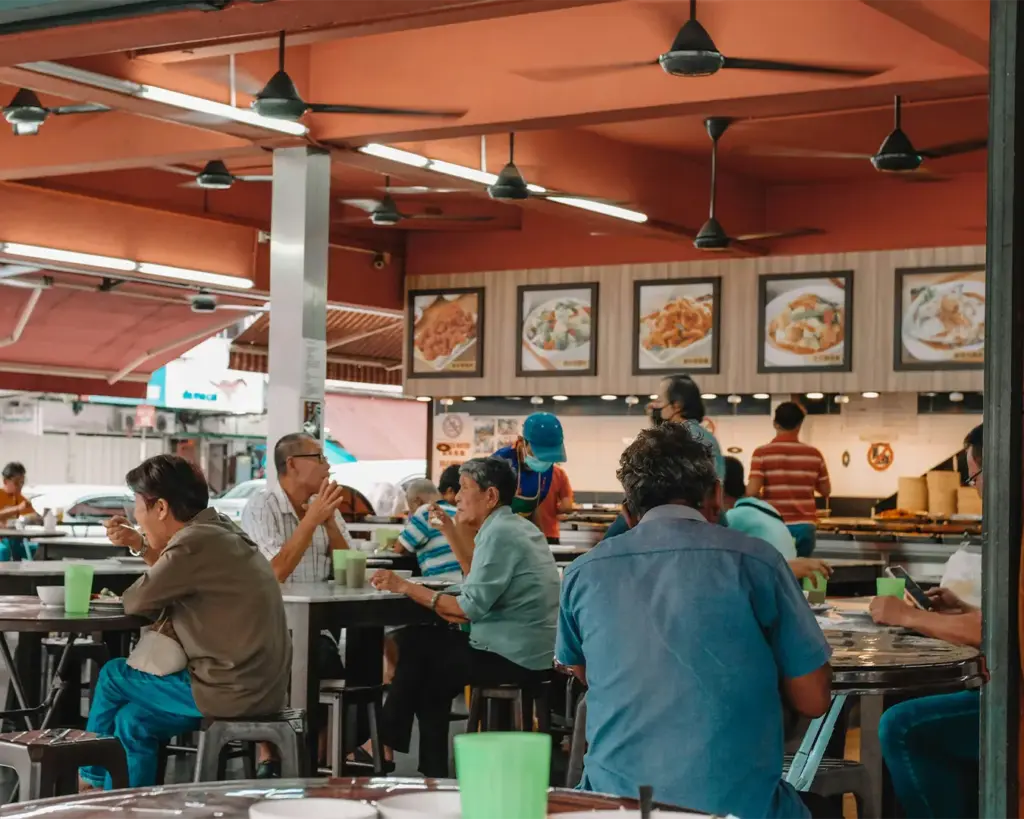
When we discuss the UNESCO recognition of hawker culture as an intangible cultural heritage, we tend to focus heavily on the food itself—the recipes passed down through generations, the grueling hours, the culinary techniques. But the lunch hour demonstrates that hawker centres are, fundamentally, crucial social infrastructure.
They are the community dining rooms of the public housing estates. In a city where residential density is incredibly high, these open-air pavilions provide a necessary release valve. Social mixing in public housing relies on these shared spaces. The lunch hour forces different socio-economic classes, races, and age groups to occupy the same square footage, breathe the same humid air, and navigate the same physical constraints.
The Invisible Economies of the Afternoon and Diverse Communities
As the lunch hour progresses, you start to notice the invisible economies that keep the estate functioning. Migrant workers in safety boots and high-visibility vests sit in groups of four, sharing large portions of biryani or economical bee hoon. They eat quickly and quietly, their labor forming the physical backbone of the estate’s ongoing renovations and maintenance. Their lunch choices are dictated by strict budgets, yet their patronage represents a significant portion of the daily revenue for many halal and Indian-Muslim stalls.
The Impact of the Digital Shift on Singapore's Hawker Centres
We must also consider the digital layer that has settled over the neighborhood food Singapore scene. Throughout the lunch hour, the distinctive ping of food delivery terminals rings out from various stalls. The impact of food delivery apps on lunch traffic is profound.
Hawkers now manage two simultaneous queues: the physical line of hungry residents sweating in the heat, and the digital queue of remote workers sitting in their air-conditioned living rooms a few blocks away. This dual reality has shifted the rhythm of the lunch hour. You will frequently see a stall assistant bagging up a dozen packets of chicken rice, handing them off to a waiting rider, while the uncle at the front of the physical line shifts his weight impatiently. The digital economy has allowed hawkers to reach beyond their immediate physical radius, but it has also changed the visceral, face-to-face nature of the midday rush.
The Lingering Flavor of an Estate: Favourite Hawker Food and Social Cohesion
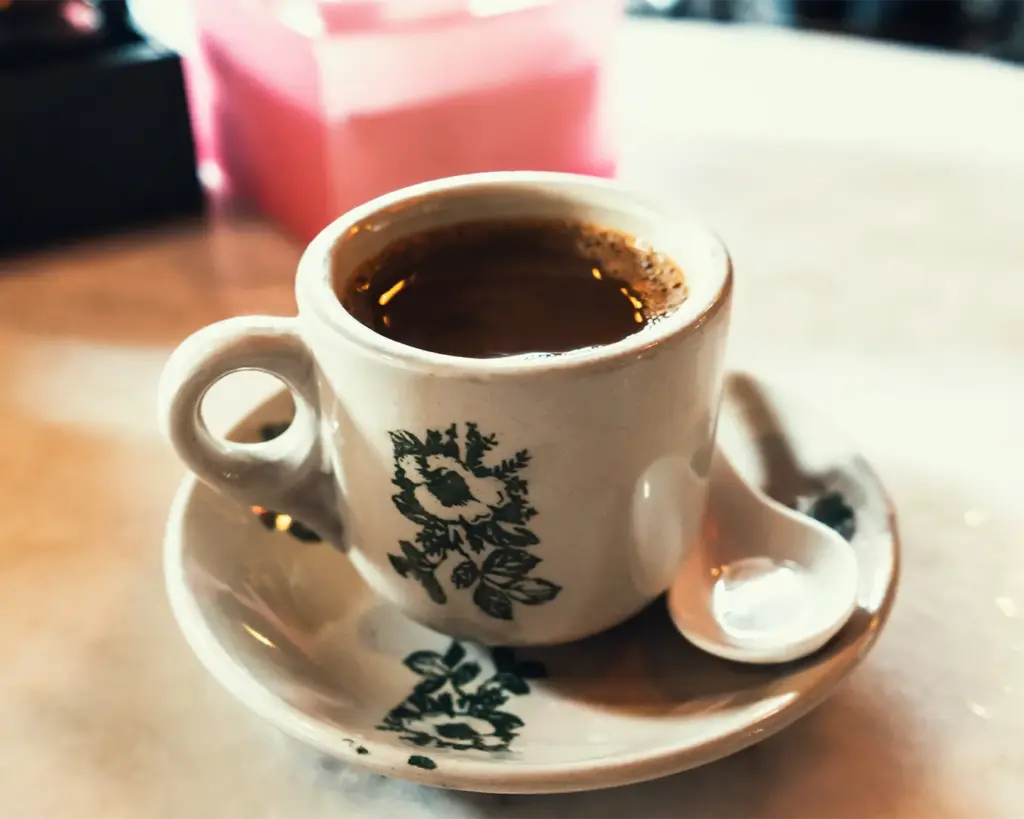
By 1:45 pm, the frantic energy begins to dissipate. The queues shrink to a manageable few. The heavy wok sounds are replaced by the clatter of metal scrapers as hawkers begin cleaning their stations for the afternoon lull. The office workers have marched back to their desks, and the retirees have reclaimed the corner tables, spreading out Chinese newspapers and ordering a fresh round of kopi.
The lunch hour is over, but the estate has been nourished, both physically and socially.
We often take these daily rhythms for granted, treating our neighborhood hawker centres merely as convenient places to refuel. But the next time you step into your local hawker centre at noon, pause before you join the queue. Listen to the overlapping languages. Watch how people negotiate space. Notice which stalls draw the elderly and which draw the youth.
Observe the intricate, beautiful machinery of your own neighborhood lunch ecosystem. Support the oldest hawkers and the long-standing stalls that anchor your community, and welcome the new hawkers trying to make a living. By simply showing up and sharing a table, we ensure that the vibrant, chaotic heart of the estate continues to beat, one lunch hour at a time.
Exploring Singapore's Hawker Centres: From Maxwell Food Centre to Lau Pa Sat and Beyond
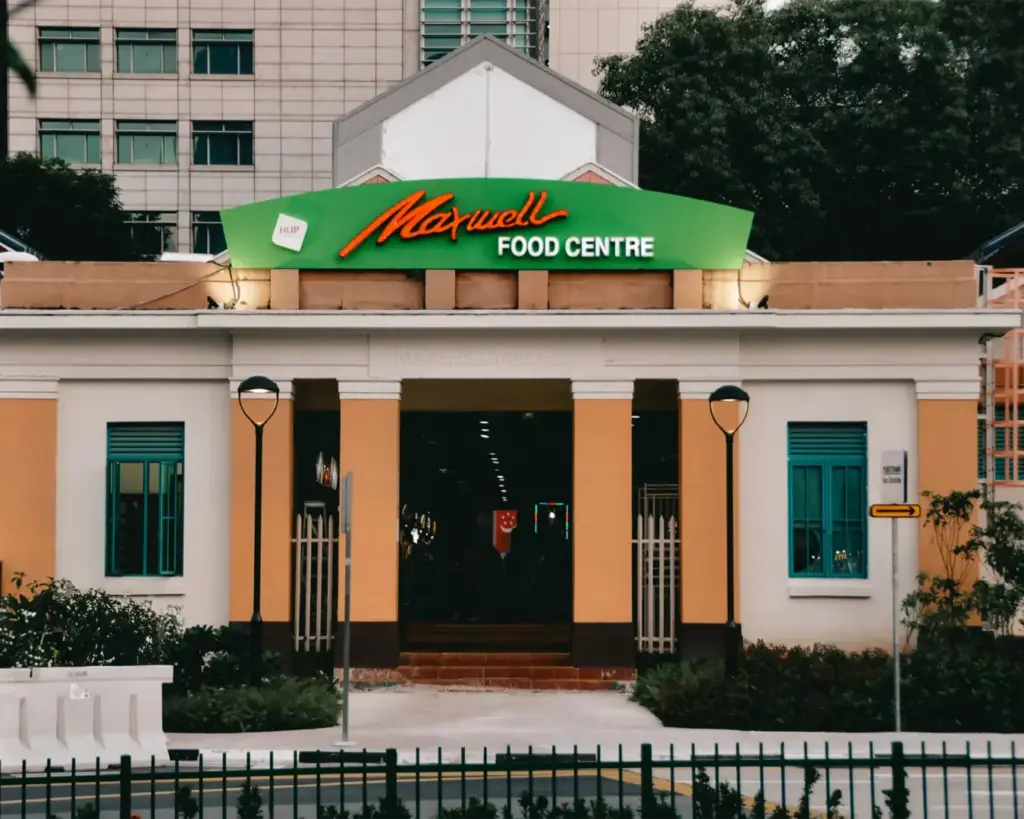
Singapore’s hawker centres, such as Maxwell Food Centre and Newton Food Centre, are integral parts of the city’s multicultural urban context. Maxwell Food Centre is known for its large variety of affordable and delicious food options, while Newton Food Centre is famous for its seafood and barbeque options. These vibrant communal spaces serve as community dining rooms where diverse communities gather to eat delicious hawker food like char kway teow, roti prata, chicken rice, carrot cake, laksa, and satay.
Hawker centres like Lau Pa Sat, located in the business district and popular with business people on their lunch breaks, are famous for Satay Street and the best satay stalls. Tekka Centre, known for its wet market and variety of Malay, Indian, and Chinese dishes, is especially renowned for its incredible Indian, Malay, and Chinese food.
Hawkers and Community Support
Many hawkers specialize in a particular dish, refining recipes over the years and passing them on to younger family members through training programmes supported by educational institutions and government initiatives such as the National Environment Agency.
Drinks, Diversity, and Social Cohesion
These centres not only serve affordable meals but also offer a wide variety of drinks, such as kopi, teh tarik, and sugarcane juice, which are both affordable and popular. The variety and quality of individual shops (stalls) offering popular local dishes like chicken wings and satay further enhance the appeal of these venues. Hawker centres embrace people from diverse socio-economic and cultural backgrounds, fostering community interactions, cultural exchange, and social cohesion.
Local Tastes and Multicultural Identity
They reflect and adapt to local tastes within a multicultural city-state, emphasizing the significance of community dining and culinary diversity. Singapore hawker centres are iconic and culturally significant food venues integral to Singapore’s heritage, while Singapore’s hawker centers are vibrant food venues that are key attractions for both locals and tourists. Street food culture is an integral part of Singapore’s multicultural identity, having evolved into hawker centres that serve as community gathering spaces and embody the city-state’s unique blend of cultural influences.
Safeguarding Hawker Culture
The merchants associations and community groups play a vital role in safeguarding this intangible cultural heritage, ensuring that Singapore’s hawker centre culture remains an integral part of daily life for families and residents alike.
Hawker Centres in Popular Culture: As Seen in Crazy Rich Asians
Singapore’s hawker centres have also gained international recognition through popular culture. The Newton Food Centre, featured in the movie Crazy Rich Asians, showcases the lively atmosphere and delicious hawker food that make these centres beloved by locals and tourists alike. After enjoying a meal at Newton Food Centre, visitors can take a rest to recharge before exploring more of Singapore’s attractions.
From the aromatic peanut satay to the comforting bowls of noodles and the rich flavors of local dishes cooked with skill and passion, Singapore’s hawker centres offer a taste of the city’s soul. Whether you dine for lunch or dinner, these centres serve as vibrant communal spaces where families gather, friends meet, and the diverse culinary heritage of Singapore is celebrated.